
Reviewed · HILL TRIBE VILLAGES AND HOMESTAYS
The Wild Explorer – 3 days forest trek with homestay and camping
Jungle days reward sturdy legs. The Wild Explorer takes you into Nam Ha National Protected Area for three demanding days of roughly seven hours of walking per day, with forest camping, local cooking, and time with village communities. I like the small maximum group of eight, and I like that the price includes guides, meals, camping equipment, and conservation fees rather than leaving you to sort out the basics yourself. The main caution is simple: this is a difficult hike, not a gentle nature walk.
I especially like the practical side of the trip. You may learn to build a campfire, gather wild vegetables, and cook food in bamboo tubes, all with local guides who know the trails and forest customs. Guide Xai has been praised for his friendly manner and clear English, while Peng has earned special recognition for his knowledge of jungle skills, agriculture, local culture, and village life.
The promised wildlife is less certain. The forest is real and the setting is wild, but animals are not guaranteed, and one poorly matched trip produced only a frog sighting. Go for the walking, food, views, and outdoor skills first. Treat wildlife as a bonus.
In This Review
- Key points at a glance
- What the $154 price really covers
- Starting at 8:30 in Luang Namtha
- Day one: entering Nam Ha National Protected Area
- Day two: forest skills, food, and a mountain campsite
- Day three: the long walk back
- The food is a major reason to go
- How difficult is seven hours a day?
- Wildlife, expectations, and the honest trade-off
- Camping, homestays, and what you actually sleep on
- Guides make or break the experience
- Practical packing advice for the forest
- Who should book The Wild Explorer?
- Should you book this three-day trek?
- FAQ
- Where does The Wild Explorer take place?
- How long does the experience last?
- How much does the trek cost?
- What time does the trek start?
- Where is the meeting point?
- How many people can join the group?
- How much walking is involved each day?
- Is camping equipment included?
- Are meals included?
- What should I bring?
- Is a homestay included?
- Can I cancel for a full refund?
- What happens if the weather is poor?
- What happens if the minimum group size is not reached?
Key points at a glance
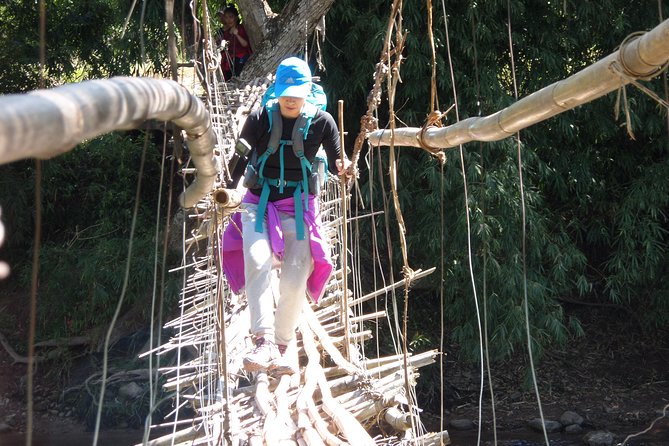
- Seven hours of jungle walking each day: Expect steep, slippery, and tiring trails rather than an easy stroll.
- Two nights in the forest: Tents, sleeping bags, mattresses, and mosquito nets are included, with camping near a stream and on a mountain peak.
- Local food cooked outdoors: Meals use forest ingredients, including wild vegetables and dishes cooked in bamboo tubes.
- Small groups up to eight people: A useful size for a narrow trail and for getting direct attention from your guide.
- Survival skills are part of the experience: You can learn campfire techniques and may help create a basic forest shelter.
- Good value at $154 per person: The fee covers food, gear, guide wages, village and conservation charges, and taxes.
What the $154 price really covers
At $154 per person, this is not a luxury excursion, but it offers solid value for a three-day, two-night trip. Your fee covers breakfast on the second and third mornings, lunch on all three days, dinner on the first two nights, camping equipment, taxes, and several local fees.
Those local charges matter. The price helps cover the community-based tourism fund, local escorted-guide wages, a village pass, and forest conservation. In practical terms, you are not simply paying for a walk. You are helping fund the people and places that make the trek possible.
The included gear also saves you from carrying a full camping kit from home. A sleeping bag, mattress, mosquito net, and tent are supplied. You still need to bring your own backpack, hiking boots, torch, rain protection, and clothing.
I would call the price fair if you are prepared for a basic trip and value local food and guiding more than polished facilities. It is less appealing if you want comfortable beds, short walks, or guaranteed animal sightings.
More village stays and hill tribe treks:
- Luang Prabang: Hmong Batik Art Workshop
★ 5.0 · 27 reviews - Laos Elephant Sanctuary keeper+ Kuangsi waterfall +Hmong village
★ 5.0 · 25 reviews - Nalan Trail Kmu Ethnic Experience – 2days forest trek with homestay.
★ 5.0 · 21 reviews
Starting at 8:30 in Luang Namtha
The trek begins at The Hiker Travel Agency at 17A Main Street in Phonexay Village, Luang Namtha. The stated start time is 8:30 a.m., and the activity returns to the same meeting point after three days.
Arrive ready to walk. Your daypack should already contain water, sun protection, insect spray, a torch, spare clothing, and wet-weather gear. The operator does not include a rucksack, hiking boots, hat, sunscreen, mosquito spray, torch, raincoat, or changes of clothes.
A small group can make the morning easier. With a maximum of eight people, the guide can keep track of the pace and help on rough sections without managing a large crowd. The exact group size may vary, so ask when booking if you need to know who will be joining you.
The trip is often booked about 17 days ahead. That is useful planning information if your Laos route is tight, especially during a busy season. Confirmation is provided at booking.
Day one: entering Nam Ha National Protected Area
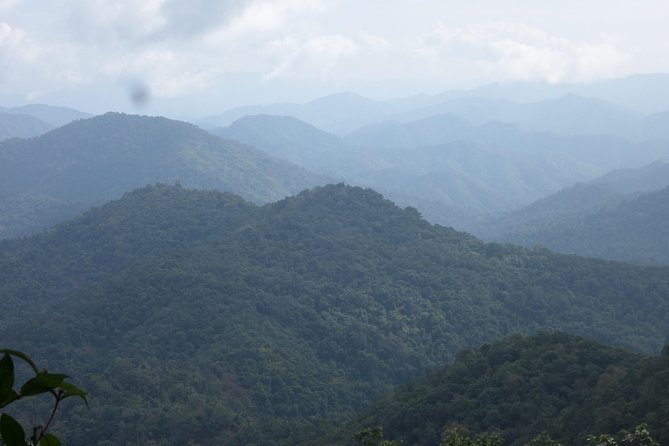
The first day takes you into Nam Ha National Protected Area, the main setting for the entire trek. The walking is expected to last about seven hours, so this is when you discover how well your boots, pack, and fitness level match the route.
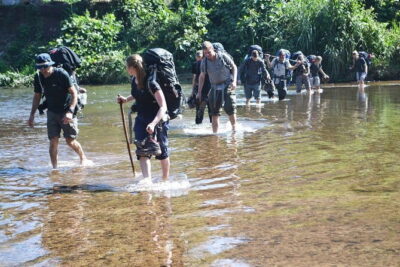
Do not picture a smooth path through the trees. The description calls the hike difficult, and wet conditions can make the trail slippery. You may need to cross damp ground and deal with weather that changes the feel of the route quickly. Bring clothes and shoes that can get wet.
The reward is direct contact with the forest. Rather than seeing the protected area from a roadside viewpoint, you spend long hours moving through it with a local guide. The guide handles navigation and can explain the plants, farming practices, forest use, and village life encountered along the way.
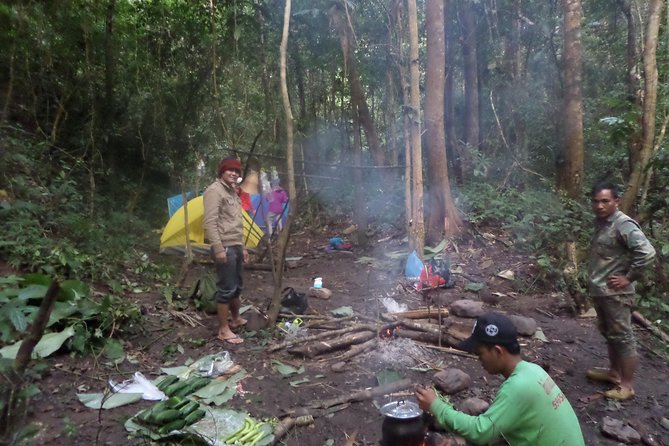
Lunch is included on day one. Dinner is also provided, and this is where the trip begins to feel different from a standard packaged hike. Food is made with local and forest ingredients, with wild vegetables gathered along the route and dishes cooked in a local style.
One particularly memorable detail is the use of bamboo tubes for cooking. This is more than a novelty. It shows how food preparation can rely on materials found in the forest, while giving you a practical connection to local outdoor skills.
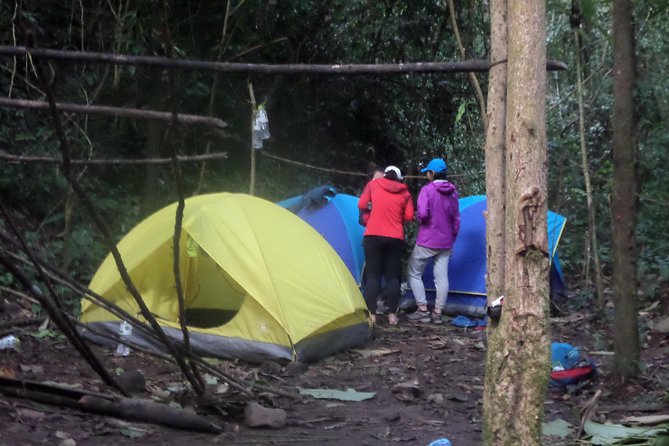
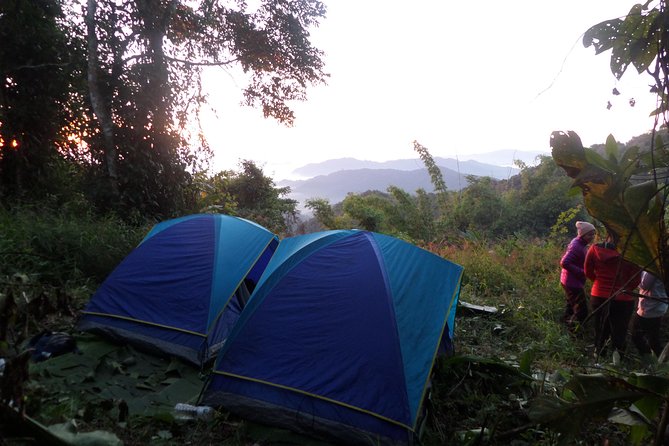
Your first night is spent camping. The supplied equipment includes a tent, sleeping bag, mattress, and mosquito net. The campsite is described as being near a small stream and on a mountain peak, so you should expect a simple outdoor night rather than a built shelter with hotel-style comfort.
Some versions of this type of trek have included wooden huts or a village stay. The advertised plan for this departure includes two nights of camping, but a homestay may be possible by arrangement. Ask The Hiker before paying if sleeping in a village home is important to you.
Day two: forest skills, food, and a mountain campsite
The second day continues with another roughly seven-hour hike. By now, your legs will tell you whether you packed sensibly. Keep your load light, protect your feet, and avoid bringing clothing that cannot handle mud or rain.
This is likely to be the day when the survival element becomes most useful. The experience includes instruction in making a campfire, and you may help gather wild vegetables or prepare ingredients. The point is not to turn you into a wilderness expert in three days. It is to give you a clearer sense of how local people use the forest and how a basic camp functions away from roads and shops.
The guides are central to the quality of this day. Peng has been singled out for his understanding of the jungle, agriculture, local economy, history, and village customs. Xai has also been praised for explaining nature and village life in good English, and for being patient with children.
That range of subjects can make a long hike feel purposeful. You are not only counting the hours until camp. You are learning why the area is farmed in certain ways, how communities relate to the forest, and what plants can become part of a meal.
Lunch is included, as is dinner. The food has received some of the strongest praise connected with the trek. Guides have been described as excellent cooks, and the forest ingredients are a major part of the appeal. You should still keep expectations practical. Meals are local and simple, not restaurant dishes served on a dining table.
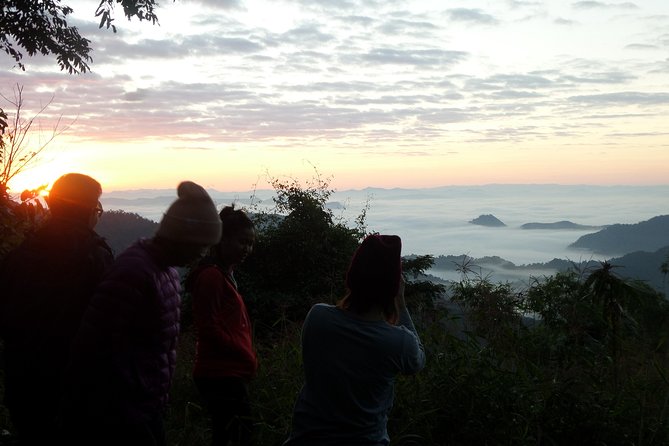
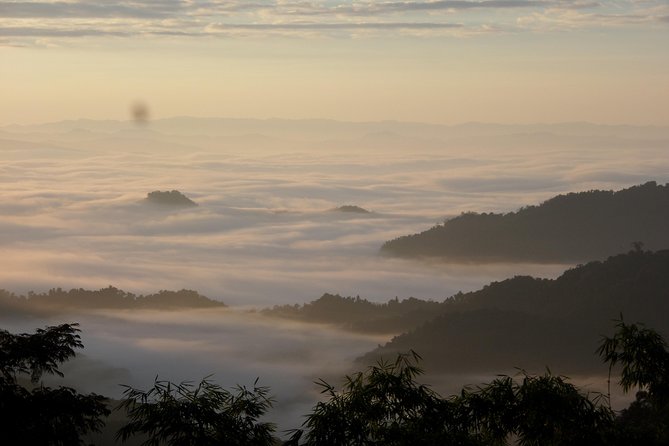
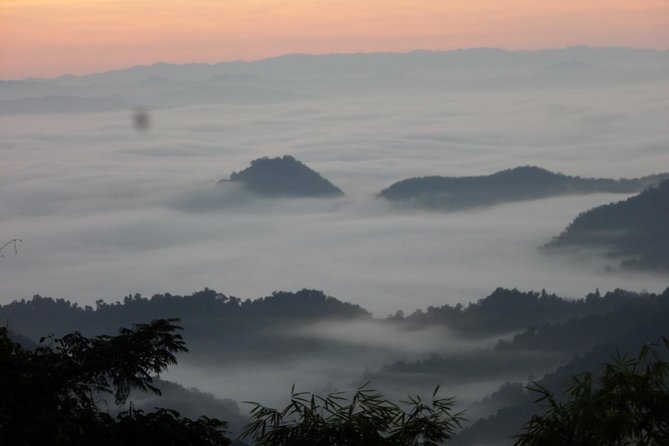
The second campsite is the high point of the trip in more ways than one. A mountain-top position near a small stream offers open views and the chance to watch sunrise. Weather will determine how much you see, but the setting gives the camp a clear purpose beyond simply finding somewhere to sleep.
Night-time comfort is basic. A sleeping bag and mosquito net are supplied, but you should bring warm clothing because mountain evenings can feel cool. A torch is essential and not included.
More Treks in Laos:
- Luang Prabang to Nong Khiaw: River Cruise, Hike & Waterfall
★ 4.4 · 53 reviews - Full Day Trek to Kuang Si Waterfalls, Remote Village
★ 5.0 · 38 reviews - Luang Prabang: Full Day Trek to Kuang Si Waterfall & Village
★ 4.6 · 20 reviews - Luang Prabang Thin Pha Trail & Tad Sae Falls Trek
★ 4.6 · 17 reviews
Day three: the long walk back
Breakfast and lunch are included on the final day, but dinner is not. The seven-hour hiking pattern continues, so do not treat the last morning as a short exit from camp.
The final day is valuable because it gives you another full stretch of forest time rather than reducing the trek to a camp visit followed by a quick return. It can also be the toughest day physically. Fatigue makes uneven ground harder, and wet trails demand more care.
Use the final day to ask questions. A good guide can add meaning to what you are seeing, from forest plants to farming methods and the nearby villages. The most praised guides on this route have helped turn the walk into a lesson in northern Lao life, not just a test of endurance.
The activity ends back at the original meeting point in Luang Namtha. Since the description does not give a precise finishing time, avoid booking a tight onward connection for the same day.
The food is a major reason to go
I would not underestimate the meals. Outdoor food can easily become an afterthought on a difficult trek, but here it is part of the main attraction.
The plan includes three lunches, two dinners, and two breakfasts. Ingredients may include vegetables gathered in the forest, and cooking can take place inside bamboo tubes. This creates a direct link between the trail and the plate.
The food also gives you a reason to slow down. A long day of walking is easier to appreciate when camp ends with a hot local meal prepared by the guide team. Several guides, including Xai and Peng, have been praised for cooking as well as guiding.
You should tell the operator about dietary needs before departure. The supplied information does not state what substitutions are available, so do not assume that every preference can be handled in the forest.
How difficult is seven hours a day?
The fitness warning is serious. You need a strong physical fitness level, and the experience is specifically described as a difficult hike. Seven hours of jungle walking each day adds up quickly, especially if the weather is poor.
The route may include slippery sections and wet ground. Three friends who completed a similar three-day route still enjoyed it in bad weather, but the conditions made the walking harder. Good boots are not optional here.
This trip suits you if you already enjoy long hikes, can cope with basic camping, and do not mind getting dirty. It is a poor match if you have limited hiking experience, dislike humidity and insects, or need a predictable level path.
Children may enjoy the cultural side, and one guide was praised for being good with kids. But the physical demands remain the same. A family should consider the youngest person’s ability to manage seven hours of difficult walking before booking.
Wildlife, expectations, and the honest trade-off
Nam Ha National Protected Area is a strong setting for anyone interested in forest ecology, but this is not a wildlife safari. The presence of a guide and a protected forest improves your chances of noticing birds, insects, frogs, or other signs of life, but sightings cannot be promised.
One disappointing departure produced almost no wildlife beyond a frog. The problem was made worse by unclear expectations about what the guides could deliver and limited English communication. That experience is a useful warning: ask exactly what wildlife viewing means before you book.
I would choose this trip for the forest itself, not for a checklist of animals. You may see something special, but the dependable rewards are the walking, the views, the cooking, the campfire skills, and the chance to learn from local guides.
Camping, homestays, and what you actually sleep on
The standard plan provides two nights of camping. You receive a tent, sleeping bag, mattress, and mosquito net, which covers the main equipment but does not turn the forest into a hotel.
You may be asked to help make your own shelter or take part in setting up camp. That is consistent with the survival focus and adds a hands-on element, but it may not suit someone who wants the guide team to handle every task.
Some itineraries have used two homestays, while others have combined one camping night with one homestay. Because the published plan specifies camping, treat a village stay as a possible custom arrangement rather than a standard inclusion. Confirm the sleeping plan before departure.
Bring warm clothes, dry changes, and rain protection. A wet night is much harder when you have no dry layer for sleeping. The operator specifically advises a raincoat during the wet season.
Guides make or break the experience
The strongest part of the trek is the guide relationship. The best examples involve guides who explain the forest, agriculture, village life, and local customs while also managing the trail and preparing meals.
Xai has been praised for friendly service, good English, tasty cooking, and his ability to explain villages and nature. Peng has been praised for his wide understanding of jungle skills and local culture. Pheng and Jaiy have also been described as welcoming and informative.
Guide quality can vary, though. One disappointing experience involved two guides with very limited English, which made the trip feel less useful and less safe. If clear communication matters to you, ask in advance who will lead your departure and what level of English you can expect.
The maximum group size of eight helps, but it does not replace a capable guide. On a difficult route, you want someone who can manage pace, navigation, food, and changing weather.
Practical packing advice for the forest
The supplied equipment list is helpful, but you still need to arrive prepared. I would pack:
- Hiking boots with good grip
- A comfortable rucksack
- Hat and sunscreen
- Mosquito spray
- Torch or headlamp
- Warm clothing for the mountain campsite
- Spare clothes
- Shoes and clothing that can get wet
- A raincoat during the wet season
- Pocket money
Do not count on buying forgotten gear once you leave Luang Namtha. Keep the pack light, but do not remove the items that protect your feet and keep you warm and dry.
A mobile ticket is available, and confirmation arrives when you book. Free cancellation applies up to 24 hours before the start time. Poor weather or failure to reach the minimum group size can lead to a new date, another experience, or a full refund.
Who should book The Wild Explorer?
I would recommend this trek to fit hikers who want a demanding forest experience with a strong local element. It is especially suitable if you enjoy learning practical skills, eating simple food cooked outdoors, and spending nights away from comfortable accommodation.
It also works well for people who prefer a small group. The eight-person limit offers a better chance to speak with the guide and keep the trip from feeling like a convoy.
I would hesitate if your main goal is guaranteed wildlife. I would also hesitate if you are not used to long hikes, if you dislike camping, or if you need a fixed itinerary with a confirmed homestay.
Should you book this three-day trek?
Book it if you want hard walking with a real local focus. The mountain sunrise, forest cooking, village connections, and guide-led lessons give the trip more substance than a simple hike. At $154, the included meals, equipment, guide wages, and conservation contributions make it a reasonable deal.
Before booking, confirm three things: who your guide will be, whether your departure includes two camping nights or a homestay, and how the operator describes wildlife sightings. If you arrive fit, pack for rain and cold, and judge success by the forest experience rather than animal encounters, The Wild Explorer can be one of the more memorable ways to experience northern Laos.
FAQ
Where does The Wild Explorer take place?
The trek takes place in Nam Ha National Protected Area in Laos, with the tour beginning and ending in Luang Namtha.
How long does the experience last?
The experience lasts three days and includes two nights in the forest.
How much does the trek cost?
The listed price is $154 per person.
What time does the trek start?
The stated start time is 8:30 a.m.
Where is the meeting point?
The meeting point is The Hiker Travel Agency at 17A Main Street, Phonexay Village, Luang Namtha 03000, Laos.
How many people can join the group?
The activity has a maximum of eight travelers.
How much walking is involved each day?
The trek involves approximately seven hours of jungle walking each day.
Is camping equipment included?
Yes. The included camping gear consists of a sleeping bag, mattress, mosquito net, and tent.
Are meals included?
Yes. Breakfast is included on days two and three, lunch is included on all three days, and dinner is included on the first two nights.
What should I bring?
You should bring a rucksack, hiking boots, hat, sunscreen, mosquito spray, torch, wet-weather clothing, spare clothes, warm clothing, pocket money, and a raincoat during the wet season.
Is a homestay included?
The standard details specify two nights of camping. A homestay has been possible on some customized departures, so you should confirm this directly before booking.
Can I cancel for a full refund?
Yes. You can cancel at least 24 hours before the start time for a full refund. Changes or cancellations made less than 24 hours in advance are not accepted for a refund.
What happens if the weather is poor?
If poor weather causes cancellation, you will be offered a different date or a full refund.
What happens if the minimum group size is not reached?
You will be offered a different date or experience, or a full refund.
Just added in Laos
- Vientiane Private Lao Cooking Class with Market Tour★ 4.0 · 3 reviews
- Vientiane: Lao Cultural Attire Rental Experience★ 5.0 · 3 reviews
- Vientiane: Half-Day City Tour – Morning or Afternoon★ 4.0 · 3 reviews
- Vang Vieng: Zipline&Water Cave&Tham Chang&Blue Lagoon 1★ 5.0 · 3 reviews
- Vangvieng a beauty and incredible things to do.★ 5.0 · 2 reviews
- Vientiane: Art, Culture, & Inspiration Guided Day Tour★ 5.0 · 3 reviews
- Vang Vieng: Zipline&Kayaking&BlueLagoon 1★ 3.7 · 3 reviews
- Vang Vieng: Paragliding Experience with Hotel Pickup★ 5.0 · 3 reviews
Hill Tribe Villages and Homestays, compared.

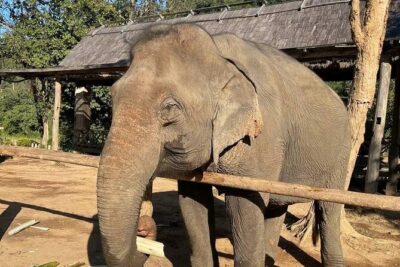
Laos Elephant Sanctuary keeper+ Kuangsi waterfall +Hmong village
Read our review →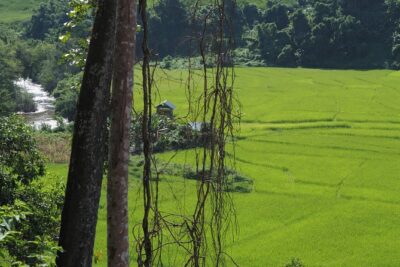
Nalan Trail Kmu Ethnic Experience – 2days forest trek with homestay.
Read our review →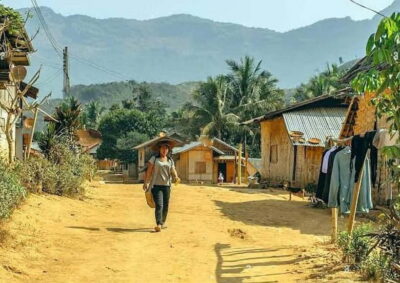
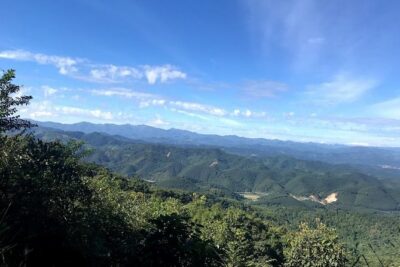
Hunter Trails, 3 days difficult trekking with Camping & Homestay
Read our review →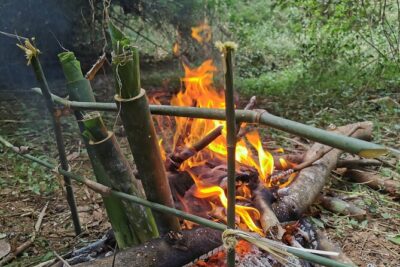
Tribal Cooking Class in Luang Prabang Forest and visit
Read our review →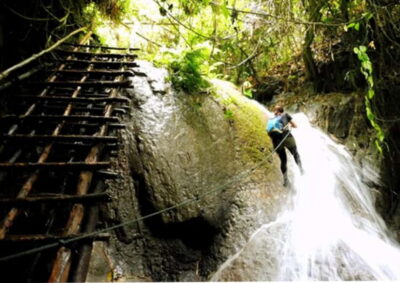
Nam Ha NPA 3 Day Wildlife Jungle Camp and Village Homestay Trek
Read our review →Browse the lists this tour appears in