
Reviewed · HILL TRIBE VILLAGES AND HOMESTAYS
Nalan Trail Kmu Ethnic Experience – 2days forest trek with homestay.
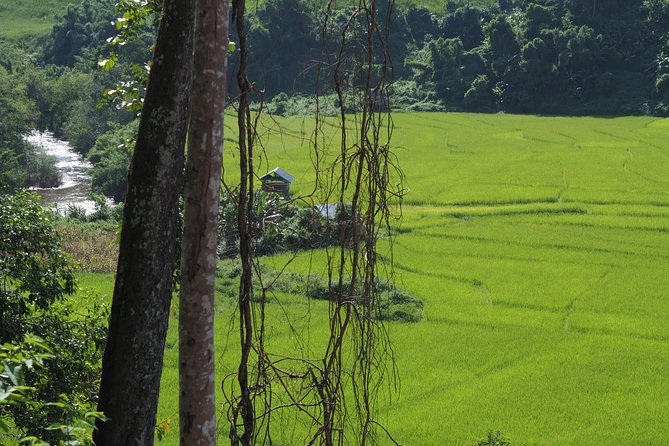
The forest is your classroom here. This two-day trek through Nam Ha National Park combines a bamboo-forest hike, visits to hill-tribe villages, and a local homestay or riverbank stay. I like the direct contact with village life, and I like that the price includes meals, sleeping gear, conservation fees, and community funds. The main consideration is the physical effort: you need moderate fitness, and the supplied gear list means you must bring several hiking essentials yourself.
The small group limit of eight people should make the walk more personal and easier to manage. I also like the chance to swim in a clear river or watch village life begin early in the morning. Still, this is a simple rural experience, not a polished lodge stay, so you should be ready for basic conditions, changing weather, and a cold shower if you choose one.
In This Review
- Key points before you book
- What the $115 price really covers
- Leaving Luang Namtha for Nam Ha National Park
- Day one: bamboo forest, mountain valleys, and village life
- Day two: river water, early village routines, and the walk back
- The homestay choice and basic conditions
- Why the small group matters
- Who will enjoy this trek most
- Booking, timing, and cancellation details
- Should you book the Nalan Trail Kmu experience?
- FAQ
- Where does the Nalan Trail Kmu experience start?
- What time does the tour begin?
- How long is the experience?
- How many people can join the tour?
- Are meals included?
- Is accommodation included?
- What fitness level is required?
- What should I bring?
Key points before you book
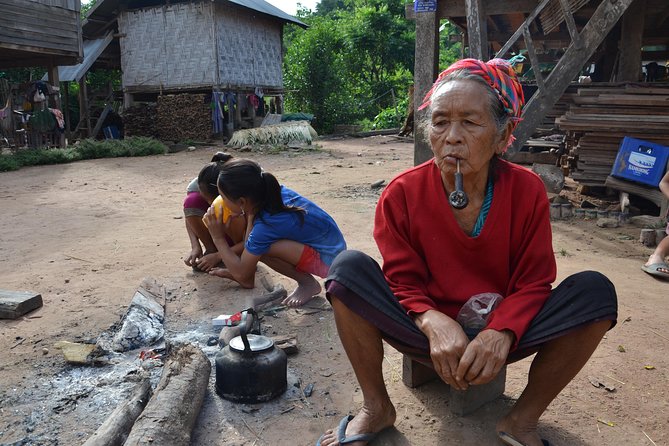
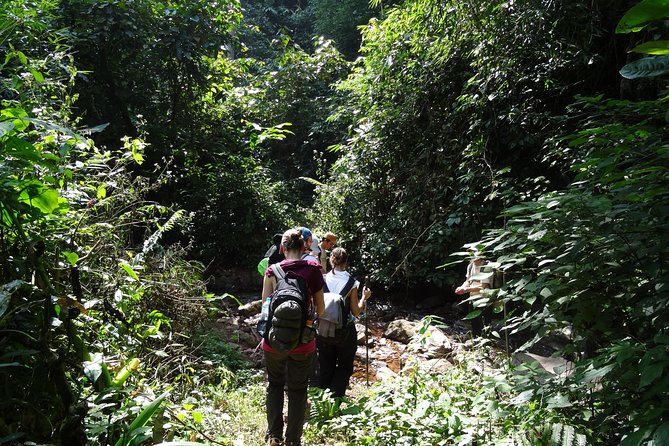
- A six-hour forest walk each day: The route includes an uphill start, a descent, mountain valleys, bamboo forest, and village paths.
- Local forest knowledge: You learn how people use plants and other forest goods for food and daily needs.
- Homestay or riverbank lodging: Your overnight setting may be with a local family or beside a quiet river.
- Small groups of up to eight: This suits people who prefer a quieter walk and more room for questions.
- Community fees are included: Your $115 fare helps cover village visits, forest conservation, and community-based tourism funds.
- Bring your own trekking basics: Hiking boots, a backpack, sun protection, mosquito spray, a torch, warm clothing, and a raincoat in wet season are not included.
What the $115 price really covers
At $115 per person, this is a good-value two-day experience if you want more than a guided walk. The price includes breakfast, dinner, two lunches, sleeping gear, transport by minivan to the trailhead, admission fees, village visit fees, the community-based tourism fund, and forest conservation support.
That matters because the costs are not limited to a guide and a meal. Your payment also supports the local structure that allows village visits and forest activities to continue. You are paying for access, transport, food, a place to sleep, and a community contribution in one package.
The fare does not include hiking boots, a rucksack, a hat, sun cream, mosquito spray, or a torch. You also need to bring a change of clothes, warm clothing, pocket money, and a raincoat during the wet season. The missing gear is not a problem if you pack carefully, but it does mean this is not a grab-your-daypack-and-go outing.
The group discount option may lower the cost for people booking together. The maximum group size is eight, which is small enough to keep the walk from feeling like a procession. Your booking confirmation is provided at the time of reservation, and the activity uses a mobile ticket.
More village stays and hill tribe treks:
- Luang Prabang: Hmong Batik Art Workshop
★ 5.0 · 27 reviews - Laos Elephant Sanctuary keeper+ Kuangsi waterfall +Hmong village
★ 5.0 · 25 reviews - The Wild Explorer – 3 days forest trek with homestay and camping
★ 4.5 · 22 reviews
Leaving Luang Namtha for Nam Ha National Park
The day begins at 8:00 a.m. at The Hiker Travel Agency on 17A Main Street in Phonexay Village, Luang Namtha. A minivan ride of about 30 minutes takes you from town to the starting point of the walk.
That short transfer is useful. You do not spend the first part of the day on a long road journey, and the group can reach the forest while there is still plenty of daylight for the hike. The tour then gives you about six hours on foot, so an early start is sensible.
The opening section climbs for about an hour through secondary forest. Expect this to test your legs before the route settles into its longer rhythm. You should not treat the first climb as a gentle warm-up. Wear proper footwear, keep water close, and take your time.
The bamboo forest is one of the most appealing parts of the route. The point is not only to walk through attractive woodland, but to understand how local people use forest goods to feed themselves. That practical focus gives the hike more meaning than a simple nature walk. Plants and forest materials become part of the story of village life.
A guide such as Peng, also called ChanPeng, can make this section especially rewarding. He has been praised for explaining native plants and herbs along the trail. He also offers a look at the local markets before the hike begins, which can help you recognize the connection between what grows in the forest and what appears in daily food and trade.
Day one: bamboo forest, mountain valleys, and village life
After the initial climb, the route descends and continues through the forest and mountain valley. The exact walking conditions will depend on weather, but the day is built around steady movement rather than a quick viewpoint stop.
The valley section brings you toward different hill-tribe communities and villages. You get a chance to see how people organize daily life, rather than simply taking photographs from a roadside stop. The visit is supported by a tribal village fee, which is included in the tour price.
That fee is worth noting. Responsible village visits need a structure that respects the community and directs some money back to local people. This experience makes that contribution part of the booking instead of leaving you to guess how to support the places you visit.
You should also adjust your expectations. The villages are places where people live and work, not open-air museums. The best approach is to watch carefully, listen to your guide, and follow local instructions about photographs and personal space.
The six-hour day is a serious walk. The tour description gives a moderate fitness requirement, which is a useful warning. You do not need to be an elite hiker, but you should be comfortable walking for several hours on uneven forest paths and handling an uphill start.
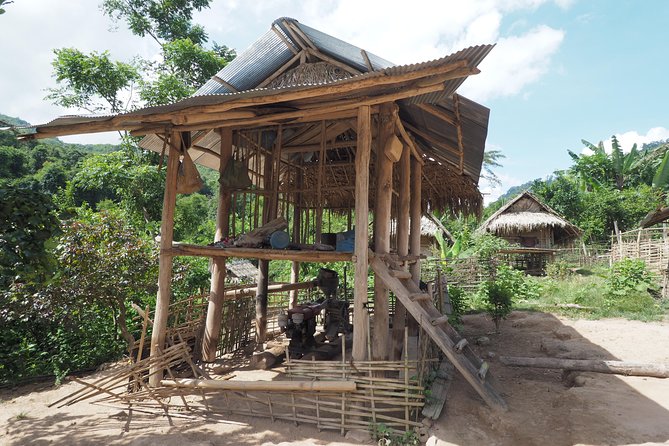
Your first day ends at either a homestay with local families or lodging beside a quiet river. The available option may vary, so you should not book this expecting one guaranteed style of accommodation. Both choices trade comfort for a closer connection to rural life.
At the homestay, the appeal is the chance to share space with a local family and see a little more of ordinary village life. Riverbank lodging offers a calmer setting and the possibility of swimming in clear water. A swim may sound inviting after six hours of walking, but the water will be cold, and you should bring suitable spare clothing.
Sleeping gear is included, which reduces the amount you need to carry. Even so, this is basic overnight accommodation. Bring warm clothes, particularly if you are sensitive to cool nights, and do not assume that the lodging will have the conveniences of a hotel.
Dinner is included on the first evening. The meal is part of the experience because food, village hospitality, and the pace of rural life all come together here. The tour does not present the evening as a restaurant outing, so approach it as a simple local stay.
Day two: river water, early village routines, and the walk back

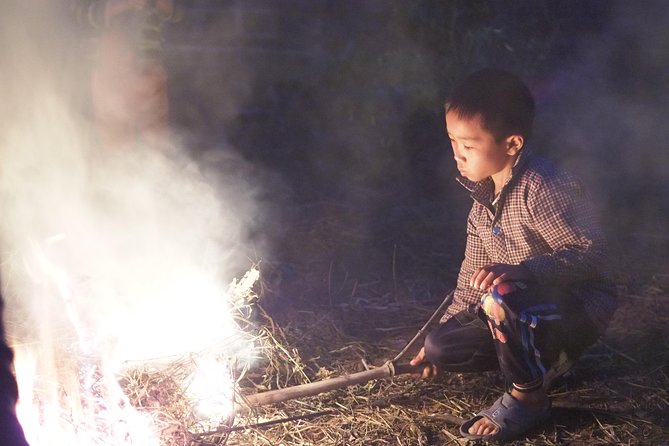
Day two begins early. You may take a cold shower, swim in the river, or walk through the villages as people prepare for the working day. These choices give you three different ways to start: refresh yourself, enjoy the natural setting, or observe village routines.
I like the village walk most as an idea because it places daily work at the center of the morning. Instead of rushing straight onto the trail, you have time to notice how the community starts its day. It is a quiet part of the itinerary, and it may be the moment when the overnight stay feels most worthwhile.
Afterward, you can relax and drink coffee before continuing. The second day also lasts about six hours, so the morning is not the whole program. You will need to be ready for another long walk after breakfast and the early village activities.
Breakfast and lunch are included. Having meals arranged matters on a remote trek because you cannot rely on finding food along the route. It also keeps the group moving together instead of spending time searching for supplies.
The return route continues through the Nam Ha area and finishes back at the original meeting point in Luang Namtha. Since both days are listed as roughly six hours, plan your schedule with room around the tour. Do not book a tight afternoon connection or another fixed activity immediately afterward.
The route gives you a useful balance: forest on foot, village visits, local food, and time beside the river. It is not designed around a single dramatic sight. Its value builds through many small encounters and the chance to see how the forest and village economy fit together.
More Treks in Laos:
- Luang Prabang to Nong Khiaw: River Cruise, Hike & Waterfall
★ 4.4 · 53 reviews - Full Day Trek to Kuang Si Waterfalls, Remote Village
★ 5.0 · 38 reviews - Luang Prabang: Full Day Trek to Kuang Si Waterfall & Village
★ 4.6 · 20 reviews - Nong Khiaw: 2-Day Trekking,Hmong village,Home Stay&Kayaking
★ 4.9 · 17 reviews
The homestay choice and basic conditions
The overnight arrangement is one of the most important decisions hidden inside this experience. You may stay with a local family or sleep beside the river. That flexibility is part of the rural character, but it also means you should be comfortable with some uncertainty.
A homestay is best for you if you want direct contact with village life and do not need privacy or hotel-style service. Riverbank lodging may suit you better if the thought of a swim and a quiet setting appeals more than family interaction.
The tour supplies sleeping gear, but you still need to pack for comfort. Warm clothing is listed among the items to bring, and that advice should be taken seriously. A change of clothes is also important if you swim, get caught in rain, or simply want dry clothes after a long walk.
The torch is easy to overlook. Pack one, because rural lodging and riverbank accommodation may not offer the lighting you expect in town. Mosquito spray, sun cream, a hat, and sturdy boots are just as practical.
During the wet season, add a raincoat. Rain can turn a manageable trail into a slower and more demanding walk, so waterproof protection is not a luxury. The activity requires good weather, and poor conditions may lead to a different date or a full refund.
Why the small group matters

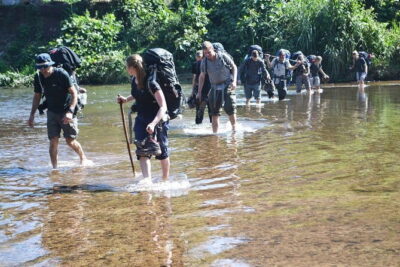
The maximum group size is eight people. That limit is valuable on a forest trek because a guide can keep the pace more manageable and answer questions without shouting over a crowd.
A small group also works better in villages. You can enter a community with less disruption, and conversations with the guide are easier. If Peng or ChanPeng is leading your walk, his explanations of native plants, herbs, and local markets could add a useful layer to what you see.
There is one practical tradeoff. A small group does not guarantee that everyone walks at the same speed. If one person is much slower or faster, the day can still stretch out. Moderate fitness and a cooperative attitude will help the group enjoy the route.
The start time, meeting point, and return point are simple. Meet at The Hiker Travel Agency at 8:00 a.m., then return there at the end. Make sure you arrive ready to leave, with your mobile ticket available and your daypack prepared.
Who will enjoy this trek most
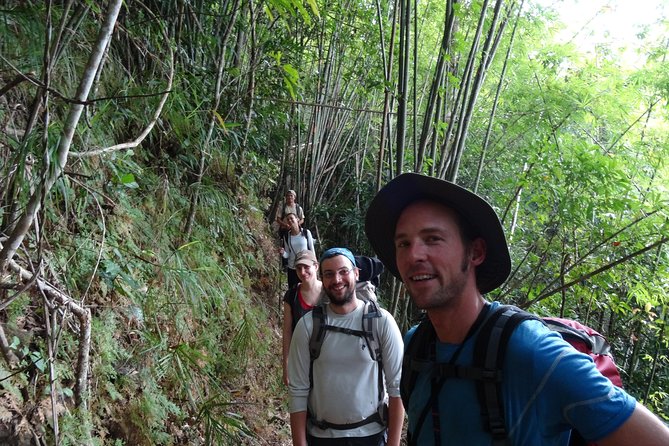
I would recommend the experience to you if you want to:
- Walk for several hours through forest and mountain valleys
- Learn about local plants, herbs, and forest food
- Visit hill-tribe villages in a community-based setting
- Spend a night in simple local accommodation
- Swim in or sit beside a clear river
- Travel with a small group of no more than eight people
It is less suitable if you want an easy nature stroll, a private room, or a carefully controlled hotel schedule. The two-day format demands more effort than a short excursion, and the included sleeping gear does not turn the overnight stay into a resort break.
You should also think about footwear and weather before paying. The tour does not provide hiking boots, rain protection, or personal health and comfort items. Pack well, and the experience becomes far easier.
Booking, timing, and cancellation details
The tour costs $115 per person and is commonly booked about 55 days ahead, so early planning may be sensible if your dates are fixed. Group discounts are available, and confirmation arrives when you book.
You can cancel for a full refund up to 24 hours before the 8:00 a.m. start time. Changes or cancellations made less than 24 hours before departure are not accepted for a refund.
Good weather is required. If the operator cancels because conditions are poor, you will be offered another date or a full refund. The same applies if the minimum number of people is not reached, with the option of another date or experience.
Should you book the Nalan Trail Kmu experience?
Book it if you want a proper two-day walk with a strong local focus, not a packaged sightseeing circuit. The forest lessons, village visits, small group, and overnight stay give the tour substance, while the included meals and community fees make the $115 price reasonable.
Skip it if six hours of hiking on each day sounds tiring, or if basic accommodation would spoil the trip for you. For prepared hikers who want to understand Northern Laos through its forests and villages, this is a thoughtful choice. Bring boots, warm clothes, a torch, mosquito spray, and patience, then let the trail set the pace.
FAQ
Where does the Nalan Trail Kmu experience start?
It starts at The Hiker Travel Agency, 17A Main Street, Phonexay Village, Luang Namtha 03000, Laos.
What time does the tour begin?
The tour starts at 8:00 a.m.
How long is the experience?
It lasts two days, with about six hours of activity on each day.
How many people can join the tour?
The maximum group size is eight people.
Are meals included?
Yes. Breakfast, dinner, and two lunches are included.
Is accommodation included?
Sleeping gear is included. The overnight stay is either with a local family in a homestay or alongside the river, depending on the arrangement.
What fitness level is required?
You should have a moderate level of physical fitness because the experience includes two days of forest hiking, including an uphill section.
What should I bring?
Bring a rucksack, hiking boots, a hat, sun cream, mosquito spray, a torch, a change of clothes, warm clothes, pocket money, and a raincoat during the wet season.
Just added in Laos
- Vientiane Private Lao Cooking Class with Market Tour★ 4.0 · 3 reviews
- Vientiane: Lao Cultural Attire Rental Experience★ 5.0 · 3 reviews
- Vientiane: Half-Day City Tour – Morning or Afternoon★ 4.0 · 3 reviews
- Vang Vieng: Zipline&Water Cave&Tham Chang&Blue Lagoon 1★ 5.0 · 3 reviews
- Vangvieng a beauty and incredible things to do.★ 5.0 · 2 reviews
- Vientiane: Art, Culture, & Inspiration Guided Day Tour★ 5.0 · 3 reviews
- Vang Vieng: Zipline&Kayaking&BlueLagoon 1★ 3.7 · 3 reviews
- Vang Vieng: Paragliding Experience with Hotel Pickup★ 5.0 · 3 reviews
Hill Tribe Villages and Homestays, compared.


Laos Elephant Sanctuary keeper+ Kuangsi waterfall +Hmong village
Read our review →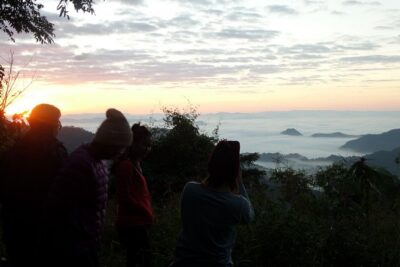
The Wild Explorer – 3 days forest trek with homestay and camping
Read our review →
Hunter Trails, 3 days difficult trekking with Camping & Homestay
Read our review →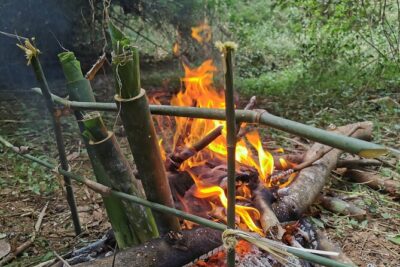
Tribal Cooking Class in Luang Prabang Forest and visit
Read our review →
Nam Ha NPA 3 Day Wildlife Jungle Camp and Village Homestay Trek
Read our review →Browse the lists this tour appears in