
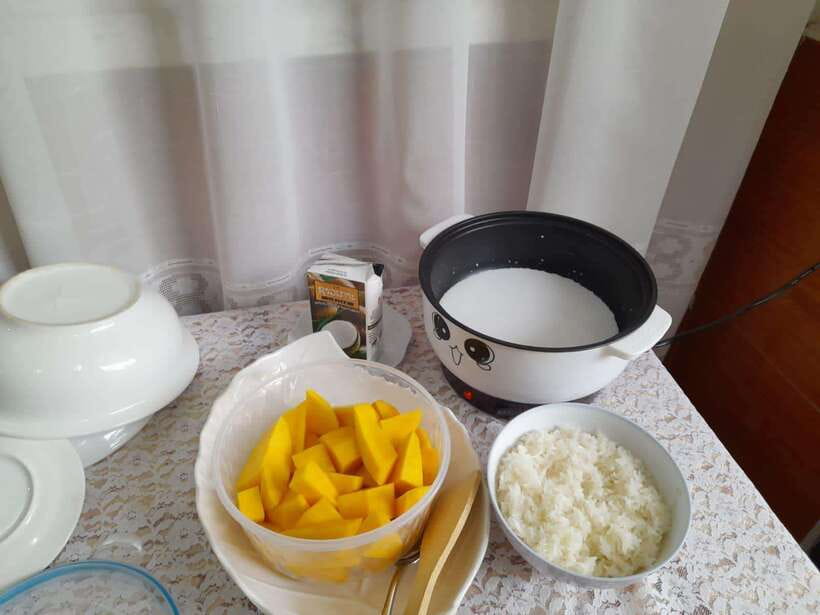
Reviewed · LAO COOKING CLASSES
Vientiane Private Lao Cooking Class with Market Tour
Market baskets reveal a country’s character. This six-hour Vientiane experience combines a local market visit with hands-on Lao cooking at the Madam Phasouk Cooking house, giving you more than a meal and a recipe card. I like the small group of up to four people, and I like the chance to handle local herbs, plants, and traditional cooking equipment. The main concern is consistency: one recent participant felt the market explanation was weak and the dishes did not taste properly Lao.
You’ll travel by van, spend about two hours at the cooking venue, and eat what you prepare with Lao beverages. The class suits adults who want a close look at food culture rather than a quick demonstration. At $70 per person, the value depends on how much personal instruction and cultural explanation your group receives.
The experience is best approached with an open mind and a hungry stomach. Wear light, comfortable clothes, bring water, sunscreen, and a hat, and tell the operator your hotel location in advance if you need pickup and drop-off help.
In This Review
- Key details before you book
- Starting in Vientiane and heading beyond the city
- Reading the market before cooking
- Inside the Madam Phasouk Cooking house
- The dishes, the tasting, and the sticky rice question
- Herbs, plants, and Son Phao Thai Daeng culture
- How much value do you get for $70?
- Who should book this six-hour class?
- Practical ways to get more from the experience
- Should you book the Vientiane Lao cooking class?
- FAQ
- How long does the Vientiane cooking class take?
- Where does pickup take place?
- Is the market visit included?
- What language is the tour conducted in?
- How many people are in the group?
- Can I cancel for a full refund?
Key details before you book
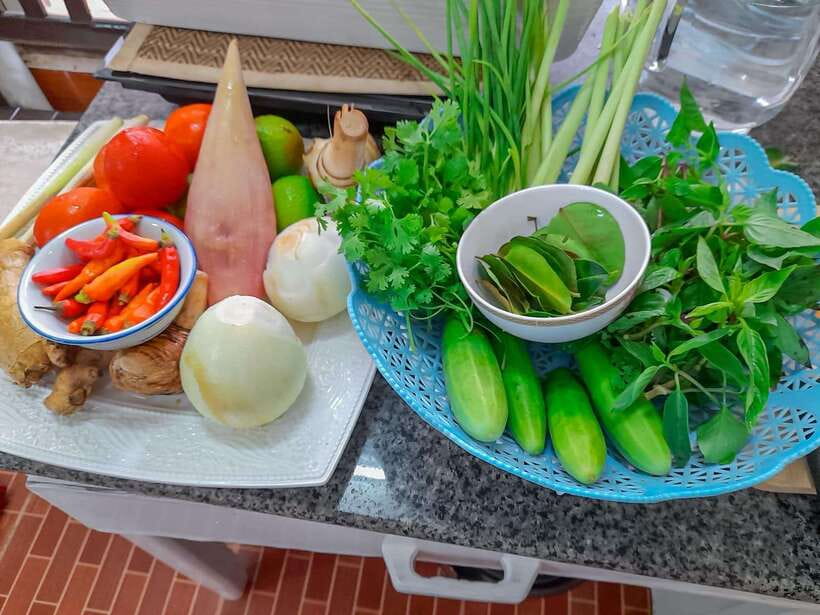
- A market visit comes first: You’ll see ingredients before cooking and learn how fresh produce fits into Lao meals.
- The class is limited to four people: A small group should allow more direct time with the chef.
- Madam Phasouk’s cooking house adds cultural context: You’ll be introduced to Lao herbs, plants, old equipment, and Red tribe, or Son Phao Thai Daeng, culture.
- The full outing takes six hours: The schedule includes roughly two hours of van travel and two hours at the market and cooking venue.
- The $70 price covers the core experience: An English-speaking guide, ingredients, market visit, chef-led class, food tasting, and cultural introductions are included.
- Food accuracy may vary: One participant praised the cook and recipes, while another Lao participant found the food insufficiently Lao and the sticky rice cold.
Starting in Vientiane and heading beyond the city
The day begins with pickup arrangements linked to COSI Vientiane Nam Phu Laos, with hotel details requested so the driver can collect and return you. The exact starting time depends on availability, so you should confirm it before planning other activities in Vientiane.
The transport is by van, with about one hour listed for the outward journey. That is a meaningful part of the six-hour schedule. You are not simply walking from a central hotel to a nearby kitchen, so this experience works best when you can spare most of a day.
The ride may appeal to you if you enjoy seeing a little more of the area around Vientiane. It may feel long if your main goal is only to learn three or four recipes. I would avoid booking this on a day packed with temples, museums, or an evening departure.
Pickup information needs a little care. The experience asks you to provide your hotel name and location, yet hotel pickup and drop-off are also listed as not included. The practical reading is that transport arrangements require confirmation rather than being automatic for every hotel. Ask exactly where the van will meet you and whether any extra charge applies.
More Cooking Classes in Vientiane:
- Vientiane Private Lao Cooking Class with Market Tour and Lunch
★ 5.0 · 1 review - Luang Prabang: Evening Cooking Class & Local Baci Ceremony
★ 4.9 · 151 reviews - Luang Prabang: Bamboo Weaving Workshop & Cooking Class
★ 5.0 · 96 reviews
Reading the market before cooking
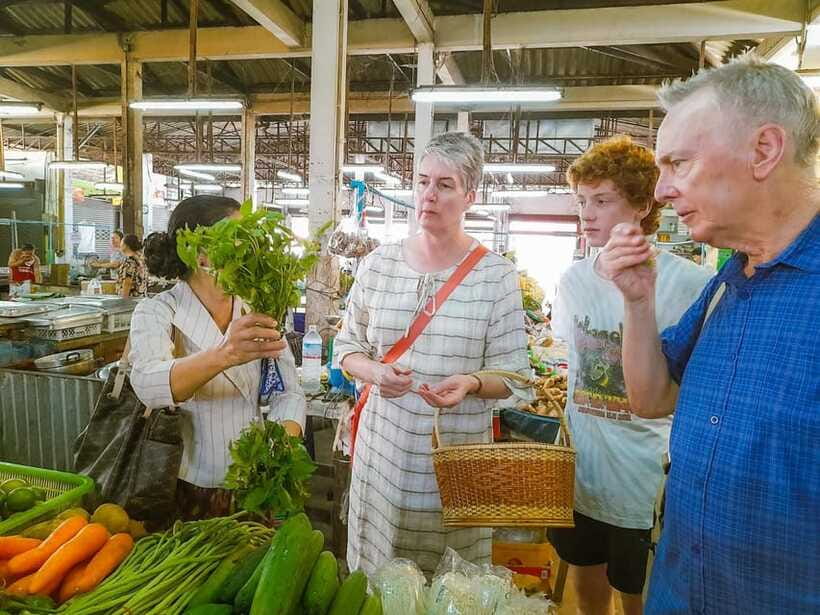
The market stop is meant to give you a working introduction to Lao ingredients. Instead of seeing a recipe only as a list of measurements, you can learn what the produce looks like before it reaches the kitchen.
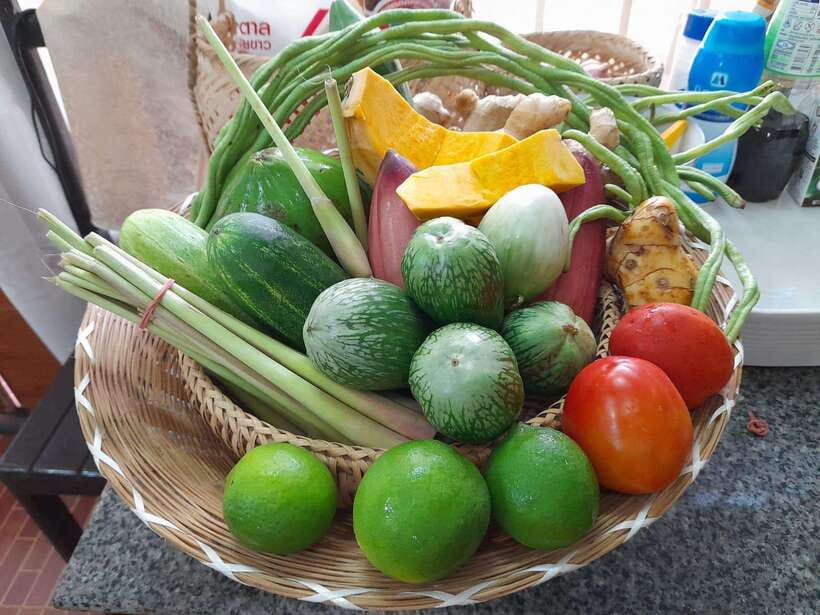
That matters in Lao cooking, where herbs and plants are not simply decoration. The class specifically introduces Lao herbs and plants, helping you connect the raw ingredients with the dishes you later prepare. For a visitor unfamiliar with local produce, this can be one of the most useful parts of the day.
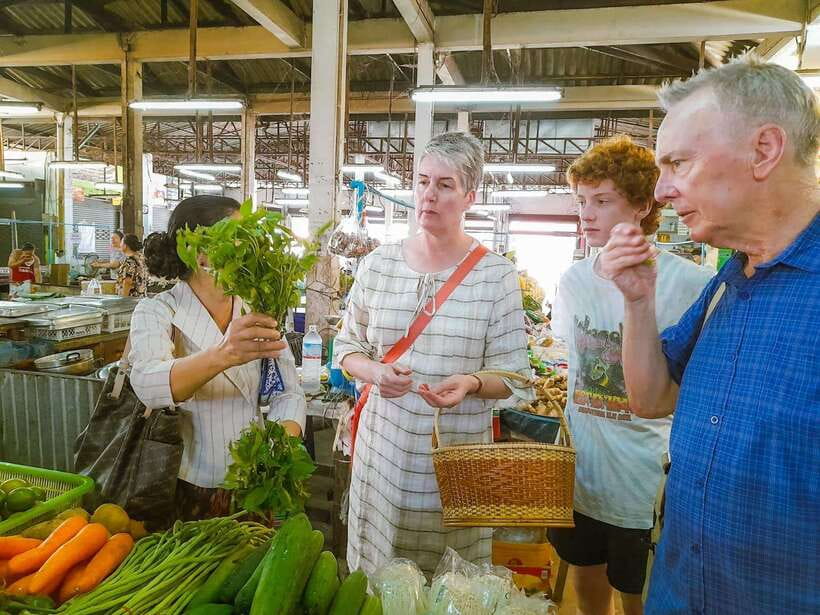
I would encourage you to ask direct questions at the market. Ask which ingredients are essential, which are seasonal, how locals use them at home, and what can be substituted outside Laos. The experience promises an English-speaking guide, but the amount of explanation may depend on the guide and the size of the group.
This is also where the class has its clearest weakness. One participant felt the market section could have been much better because the guide spent time taking photographs of the group instead of explaining the produce. That is a fair concern. A market tour earns its place in the schedule through interpretation, not just a walk among stalls.
You can help keep the focus on food by politely asking for explanations as you go. If you want photographs, take a few yourself and use the time to learn the names, uses, and preparation methods of the ingredients.
Inside the Madam Phasouk Cooking house
The main cooking session takes place at the Madam Phasouk Cooking house, described as a local restaurant and cooking venue. About two hours are allocated for the market visit, cooking class, and food tasting together, so you should not expect a full-day professional culinary course.
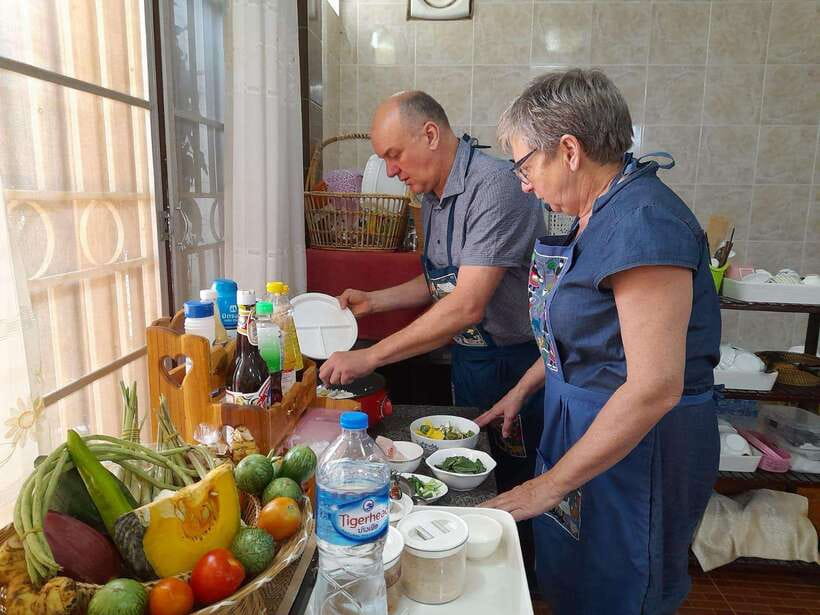
The format is designed for different skill levels. You do not need to be an experienced cook, and the chef guides you through the process. I like that structure because Lao food can seem unfamiliar when you first encounter its herbs, seasonings, and equipment. Watching a dish come together is useful, but preparing it yourself gives you a better chance of repeating it at home.
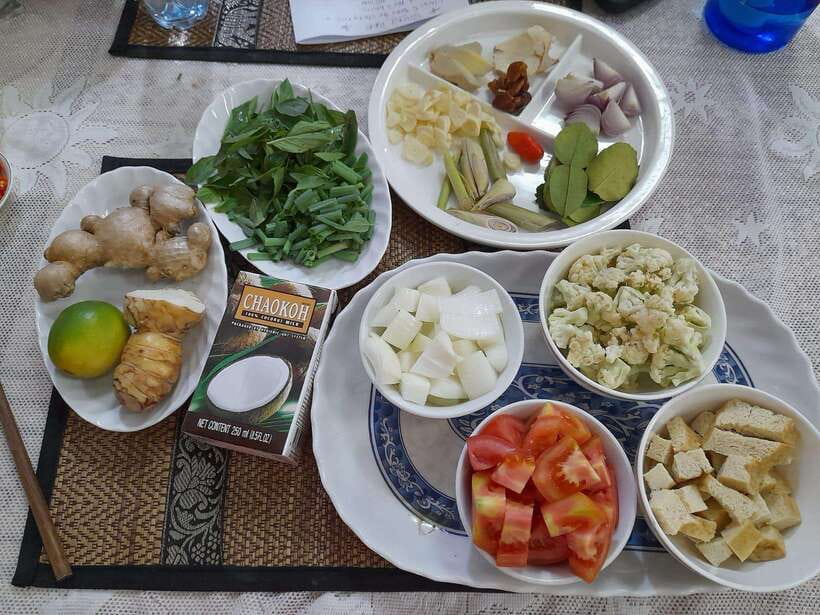
The ingredients for the class are included. That keeps the $70 price easier to judge, since you are not paying for the lesson and then buying another set of cooking supplies. Food tasting is also included, along with authentic Lao beverages.
The class also introduces traditional equipment used by ancestors. This detail gives the experience more depth than a standard restaurant lesson. Old tools can show how cooking methods developed before modern kitchen appliances became common. The value here is not just practical instruction. You are being given a small window into household food traditions.
Still, the two-hour block has limits. You may receive an introduction to several tools and ingredients rather than a long technical lesson on each one. If you are a serious home cook hoping to master knife skills, fermentation, or complex regional methods, you should keep your expectations measured.
The dishes, the tasting, and the sticky rice question
The strongest praise for the class is simple: the cook was described as very kind, and the recipes were considered tasty and worth making again. That is exactly what you want from a cooking class. A friendly teacher and recipes you can recreate are more valuable than a polished setting with food you never prepare at home.
You will eat the dishes you make at the end of the lesson. The meal is paired with Lao beverages, turning the class into both a lesson and lunch or dinner, depending on the start time. Come hungry, since the tasting is part of the experience rather than an optional extra.
There is also a serious point to consider about authenticity. One participant from Laos felt the food was not truly Laotian. That person also specifically advised serving freshly steamed sticky rice, after receiving cold sticky rice with hard pieces. Sticky rice is central to many Lao meals, so its temperature and texture can affect the whole tasting.
This criticism does not prove that every class has the same problem. It does show why you should ask what dishes will be prepared before booking, especially if you already know Lao food well. You can also ask for freshly steamed sticky rice and clarify whether the menu changes by season or by group.
For visitors new to Lao cuisine, the class may still offer a useful starting point. For people who grew up with Lao food, authenticity will be judged more sharply. The experience should be strongest when the chef explains why each dish is prepared in a particular way, not only how to assemble it.
More markets in Vientiane:
- Private Tour Full-day Morning Market, Villages and Scenic Kuang Si Waterfall
★ 4.5 · 22 reviews - Traditional Market Tour and Private Laotian Cooking Class with a Local
★ 5.0 · 13 reviews - Luang Prabang Local Market and Morning Food Tour with Drinks
★ 5.0 · 6 reviews - Luang Prabang Early Morning Alms Giving and Wet Market
★ 4.5 · 5 reviews
Herbs, plants, and Son Phao Thai Daeng culture
A special part of the program is the introduction to the Red tribe, named Son Phao Thai Daeng in the activity details. The class connects food with culture by discussing this community alongside local plants and older kitchen equipment.
This is an appealing idea, but the available information does not spell out the length or format of that discussion. You should treat it as an introduction, not a full cultural study. Ask respectful questions and listen carefully to the terms used by the guide.
The rules include not touching plants. Follow that instruction closely, especially during any garden or plant explanation. You are welcome to look, photograph, and ask questions, but do not handle leaves or growing plants unless the guide specifically tells you to.
The garden setting is also part of the appeal. A cooking lesson surrounded by plants can make the link between garden, market, kitchen, and table easier to understand. Just remember that outdoor time means sun exposure. A hat, sunscreen, and water are not optional extras in Vientiane’s heat.
How much value do you get for $70?
At $70 per person, this is not the cheapest way to eat in Vientiane. You are paying for more than ingredients and a meal. The price covers transport by van, an English-speaking guide, the local market visit, chef instruction, cooking ingredients, food tasting, Lao beverages, and introductions to herbs, plants, equipment, and culture.
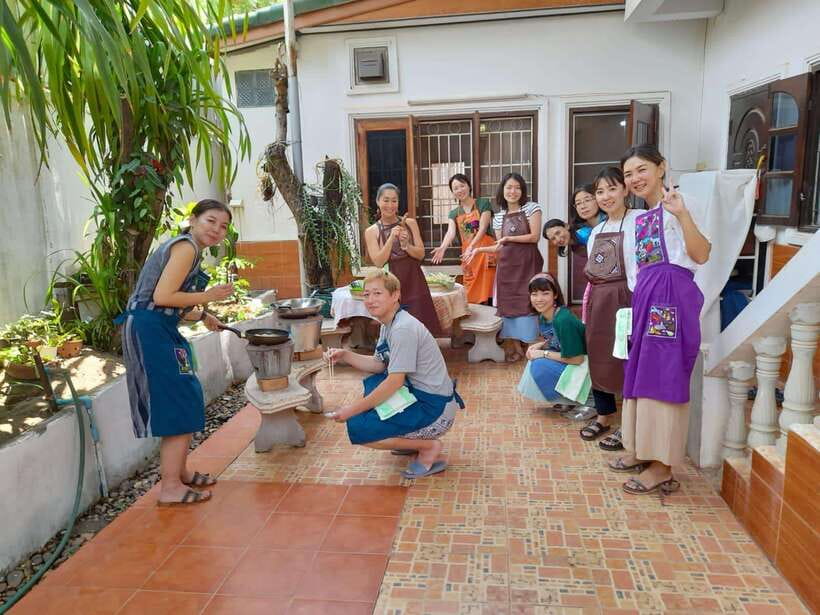
The small group helps the value. With no more than four participants, you should have a better chance to ask questions and take part in the preparation than in a large class. Small groups also make it easier to watch the chef and get corrections when you are chopping, mixing, or handling unfamiliar tools.
The weak point is that the value depends heavily on delivery. If the market walk becomes mostly a photo stop, or if the guide gives little explanation, part of what you paid for is lost. The same applies if the food feels generic rather than distinctly Lao.
I would consider the price reasonable for someone who wants a half-day cultural activity with transport and food included. I would be less enthusiastic if you only want a recipe lesson. In that case, a shorter class in central Vientiane might offer better value, if available.
Who should book this six-hour class?
This experience suits adults and older teenagers who are curious about food, plants, and household traditions. Children under 12 are not accepted, so families with younger children will need another activity.
It is a good match for you if:
- You want to learn by cooking, not just watching.
- You enjoy visiting food markets.
- You are interested in Lao herbs and traditional equipment.
- You prefer a small group with an English-speaking guide.
- You have six hours available, including transport.
- You are comfortable with a class that may offer an introduction rather than advanced culinary training.
It is not suitable for wheelchair users according to the activity information. It is also not suitable for people with food allergies. That restriction matters because the class involves market ingredients and shared food preparation, and no allergy-safe arrangement is stated.
Smoking, alcohol, and drugs are not allowed. You should also arrive at the meeting point on time, since a delayed start could affect the market and cooking schedule.
Practical ways to get more from the experience
Bring a camera, but do not let photographs replace the lesson. The setting and finished dishes may be worth recording, yet the most useful souvenirs are ingredient names, cooking methods, and notes about substitutions.
Wear clothes that are comfortable for outdoor activity and kitchen work. Bring water, sunscreen, and a hat. The information also lists ingredients among the things to bring, but the class includes cooking ingredients, so clarify what you personally need to supply before departure.
Ask about the menu early. If you have eaten Lao food before, ask how traditional the recipes are and request an explanation of the regional or cultural background. If sticky rice is part of the meal, ask for it to be served freshly steamed.
You should also confirm the hotel transfer. COSI Vientiane Nam Phu Laos is listed as a pickup and drop-off point, while hotel pickup requests are handled through your hotel name and location. Get the meeting place and timing in writing so the morning does not begin with a guessing game.
Cancellation is flexible up to 24 hours before the activity for a full refund, and you can reserve while paying later. That helps if your Vientiane schedule may change, though you still need to check the available start time.
Should you book the Vientiane Lao cooking class?
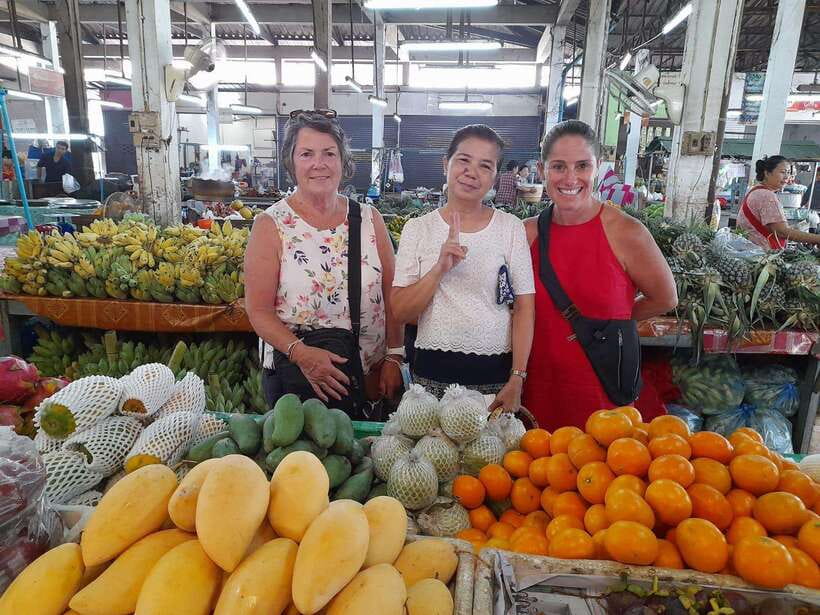
I would book this if you want a small-group food experience that combines a market, cooking, tasting, and cultural material in one day. The kind cook, repeatable recipes, included ingredients, and introduction to traditional equipment are real strengths.
I would book with a few questions first. Ask what dishes are on the menu, how the market tour is guided, how transport works from your hotel, and whether fresh sticky rice will be served. Those answers will tell you whether the class is likely to meet your idea of Lao cooking.
For first-time visitors to Laos, this can be a useful and personal introduction to local food. For Lao diners or experienced cooks, the standard for authenticity is higher, and the mixed feedback gives you reason to check the menu carefully. At $70, it is fair value when the cultural explanation and hands-on teaching are strong, but less convincing if the outing becomes a market photo stop followed by a generic meal.
FAQ
How long does the Vientiane cooking class take?
The experience lasts six hours, including transportation by van and the market and cooking activities.
Where does pickup take place?
COSI Vientiane Nam Phu Laos in Vientiane Prefecture is listed as a pickup and drop-off location. You are also asked to provide your hotel name and location so the driver can arrange pickup and return.
Is the market visit included?
Yes. A local market visit is included, along with the ingredients used in the cooking class.
What language is the tour conducted in?
The live tour guide and class are conducted in English.
How many people are in the group?
The activity is limited to four participants.
Can I cancel for a full refund?
Yes. You can cancel up to 24 hours in advance for a full refund. You can also reserve now and pay later.
Just added in Vientiane
- Vientiane: Lao Cultural Attire Rental Experience★ 5.0 · 3 reviews
- Vientiane: Half-Day City Tour – Morning or Afternoon★ 4.0 · 3 reviews
- Vientiane: Art, Culture, & Inspiration Guided Day Tour★ 5.0 · 3 reviews
- Vientiane Day Trip By Bike To Tad Moon Waterfall★ 4.5 · 3 reviews
- Vientiane Private Lao Cooking Class with Market Tour and Lunch★ 5.0 · 1 review
- Vientiane City Private Car and Minivan for Rent★ 5.0 · 2 reviews
- Vientiane Cuisine and Culture with Tuk Tuk Private Tour★ 5.0 · 1 review
- Private Tour Vientiane – VangVieng by Express Train★ 5.0 · 4 reviews
Lao Cooking Classes, compared.
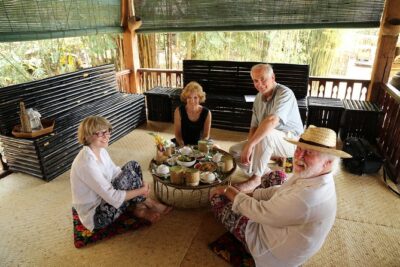
Day-time Bamboo weaving & Cooking Classes join-in
Read our review →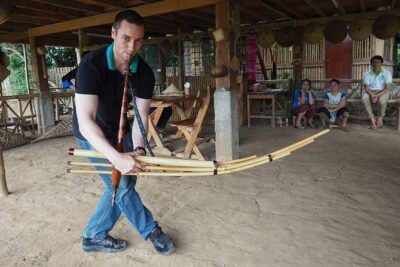
Evening Bamboo weaving & Cooking classes join-in
Read our review →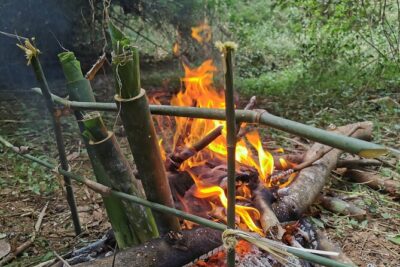
Tribal Cooking Class in Luang Prabang Forest and visit
Read our review →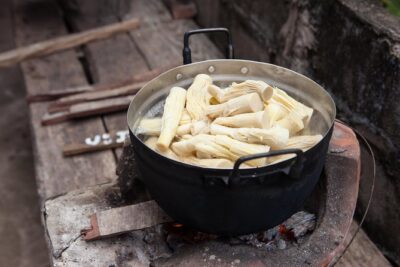
Traditional Market Tour and Private Laotian Cooking Class with a Local
Read our review →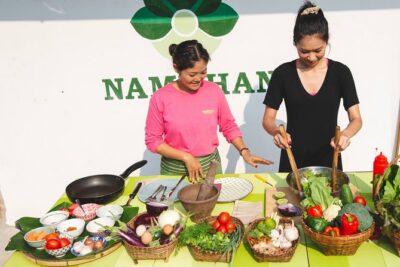
Browse the lists this tour appears in