
Reviewed · LAO COOKING CLASSES
The Namkhan – Cooking Class
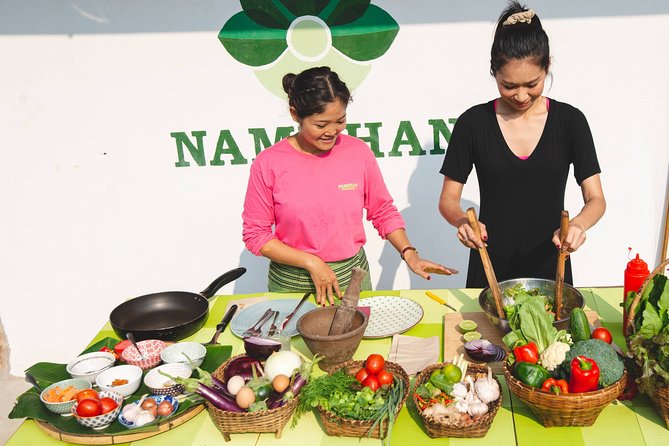
Bring your appetite and a curious mind. This three-hour class at The Namkhan combines a visit to an organic garden with hands-on Lao cooking, giving you a closer look at local food than a restaurant meal can. I like the farm-to-table format, and I like the small group size, capped at six people. The main point to consider is the $63.34 price, which is not the cheapest cooking class in Luang Prabang.
You meet at The Namkhan Wellness Center in Don Keo Village, then work with a local chef at the resort’s Activity Center. The class includes harvesting vegetables, washing and preparing them, cooking a traditional Lao dish, and eating what you make. An English-speaking guide can explain both the food and Lao customs, though the class requires good weather and may be rescheduled if conditions are poor.
In This Review
- Key Points at a Glance
- Starting at The Namkhan Wellness Center in Don Keo Village
- Harvesting Vegetables in the Organic Garden
- Washing, Preparing, and Learning the Lao Approach
- Cooking a Traditional Lao Dish at the Farm-to-Table Restaurant
- Eating What You Cooked Beside the Khan River
- Recipes to Take Home
- How the $63.34 Price Measures Up
- Who Will Enjoy This Class Most
- Booking Advice and Cancellation Terms
- Should You Book The Namkhan Cooking Class?
- FAQ
- Where does The Namkhan cooking class start?
- Where does the activity finish?
- How long does the cooking class last?
- How much does the class cost?
- How many people can join the class?
- What does the cooking class include?
- Are recipes provided after the class?
- What happens if the weather is poor?
Key Points at a Glance
- Pick vegetables from The Namkhan’s organic gardens: Your cooking begins with harvesting ingredients rather than simply receiving a pre-set basket.
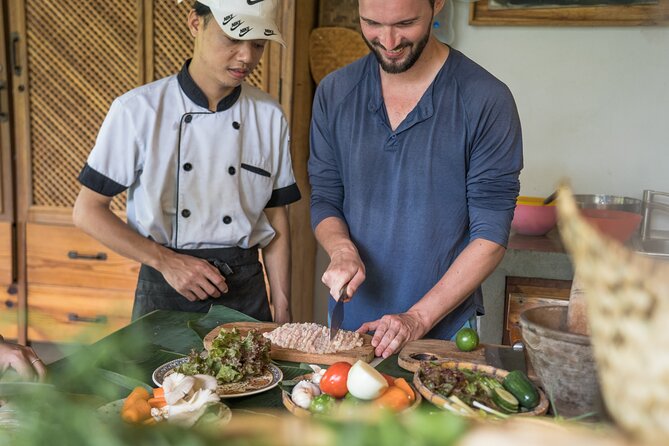
- Cook with a local chef: The instruction covers cleaning, preparation, and cooking, with cultural explanation along the way.
- Small groups make a difference: The class accepts no more than six people, allowing more direct help at the cooking station.
- Eat your own Lao dish at the farm-to-table restaurant: The meal is part of the class, not an extra stop afterward.
- Recipes are provided afterward: You can try to recreate the dishes at home.
- Plan around the weather: Poor conditions can lead to a new date or a full refund.
Starting at The Namkhan Wellness Center in Don Keo Village
The meeting point is The Namkhan Wellness Center, Don Keo Village, Luang Prabang 06000. The activity ends back at this same meeting point, so you do not need to arrange a separate return transfer after cooking.
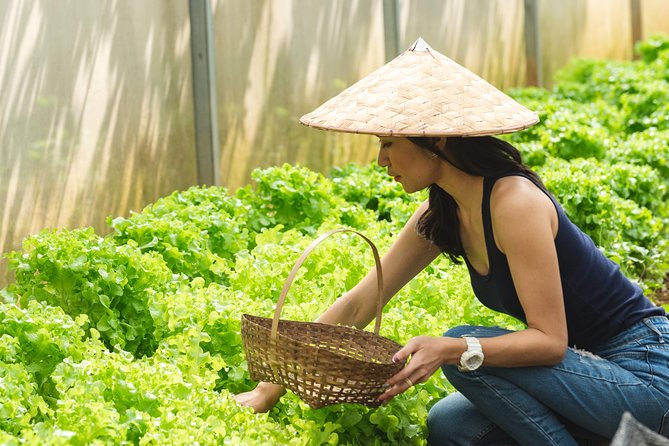
The setting is part of the appeal. The Namkhan is an eco-resort beside the Khan River, with its own organic farm, gardens, and greenhouses. This gives the class a calmer, more grounded feel than a lesson held in a busy city kitchen. You begin close to the source of the food, not just at the chopping board.
The exact transport arrangements are not specified, but the location is near public transportation. I would still confirm your route and arrival time before the day, especially if you are staying in central Luang Prabang. A mobile ticket is accepted, which keeps check-in simple.
The activity lasts about three hours. That is enough time to cover the garden, food preparation, cooking, and the meal without turning the class into an all-day commitment. If you have only a short stay in Luang Prabang, the timing fits neatly into a morning or afternoon plan.
More Cooking Classes in Luang Prabang:
- Luang Prabang: Evening Cooking Class & Local Baci Ceremony
★ 4.9 · 151 reviews - Luang Prabang: Bamboo Weaving Workshop & Cooking Class
★ 5.0 · 96 reviews - Luang Prabang: Cooking Class at the Former Royal Palace
★ 4.9 · 51 reviews
Harvesting Vegetables in the Organic Garden
The first hands-on step is harvesting vegetables from The Namkhan’s organic gardens and greenhouses. This sounds simple, but it changes how you think about the meal. You are not just following a recipe. You are seeing where the ingredients begin and choosing the vegetables that will go into your dish.
The garden visit also gives the chef a natural way to introduce seasonal Lao cooking. Local dishes often depend on what is available, and picking produce yourself makes that idea clear. You may learn about different vegetables, how to select them, and how they are used in local meals. The supplied details do not name the vegetables or specify the exact dishes, so you should not expect a fixed menu to be guaranteed in advance.
This part may be especially useful if you enjoy food markets and rural cooking traditions. It links the resort’s farm to its restaurant and gives the class a clear purpose. You are gathering the main ingredients for a meal you will later prepare and eat.
The garden work is also a practical consideration. You should expect to move around outdoors before cooking begins. Because the class depends on good weather, heavy rain or other poor conditions can affect the schedule. The provider offers another date or a full refund if weather forces cancellation.
Washing, Preparing, and Learning the Lao Approach
After harvesting, you clean and wash the vegetables before cooking. One of the strongest parts of the class is this full process. You do not simply arrive to find everything measured and ready. You take part in the basic work that turns garden produce into food.
The English-speaking guide is an important part of the class. One participant specifically praised the guide’s English and the explanations of Lao culture. That matters because a cooking class is more useful when you understand why a dish is prepared in a certain way, not just which ingredient goes into the pan first.
The chef guides you through the traditional dish and helps explain the method. The available information does not identify the chef by name, but the class is presented as a session with a local chef. Carl, the general manager, is also noted for checking on satisfaction during the visit. That suggests a well-supported setting, though the level of personal attention can still depend on the group and the day’s staff.
With a maximum of six people, the class should feel more personal than a large demonstration. A small group gives you a better chance to ask questions, handle the ingredients, and receive corrections while you cook. It also means the class may feel quiet and focused rather than social and high-energy. That is a benefit for some people and a drawback for anyone seeking a large group atmosphere.
Cooking a Traditional Lao Dish at the Farm-to-Table Restaurant
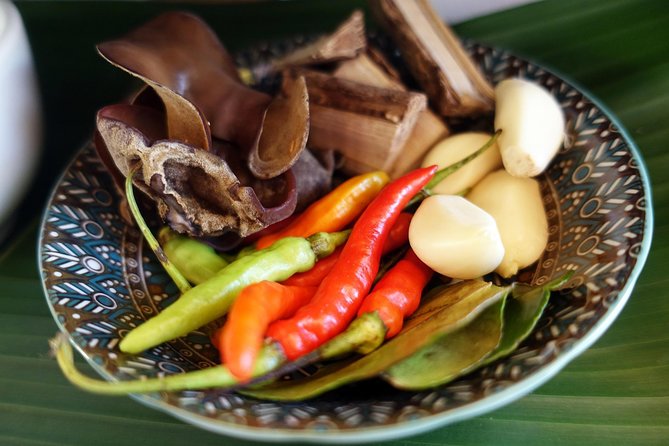
The main cooking session takes place at The Namkhan’s farm-to-table restaurant. The chef leads you through the preparation of a traditional Lao dish using the vegetables collected from the garden.
The phrase farm to table has real meaning here. The vegetables are grown on the property, harvested during the class, and used in the meal you prepare. That short journey from garden to plate gives the cooking lesson a strong sense of place. You are learning about Lao food in Laos, with ingredients tied directly to the resort’s own growing operation.
The dish itself is not specified, so you should ask ahead if you have allergies, dietary restrictions, or strong food preferences. The supplied details confirm that you cook a local seasonal dish, but they do not promise a choice of menu or a vegetarian alternative. Clear communication before booking is the sensible move.
The cooking is described as both traditional and professionally guided. You will have help with the steps, rather than being left to guess your way through the recipe. This makes the class suitable for people with modest kitchen skills. You do not need to be a serious cook to get value from it, since the lesson includes the basic stages of selecting, cleaning, and preparing the vegetables.
At the same time, the class may not satisfy someone looking for advanced culinary training. The focus is on local food and cultural understanding, not on professional knife skills or a long series of complex dishes. You are paying for the setting, instruction, ingredients, meal, and connection to Lao food traditions.
More things to do in Luang Prabang:
- Luang Prabang: Cruise to Pak Ou Caves & Kuang Si Waterfalls
★ 5.0 · 1,769 reviews - Luang Prabang: Cruise to Pak Ou Caves & Kuang Si Waterfalls
★ 4.8 · 1,360 reviews - Half Day Mekong Cruise to Pak Ou Caves (Morning / Afternoon)
★ 4.6 · 290 reviews - Luang Prabang: UNESCO World Heritage City Highlights Tour
★ 4.6 · 201 reviews
Eating What You Cooked Beside the Khan River
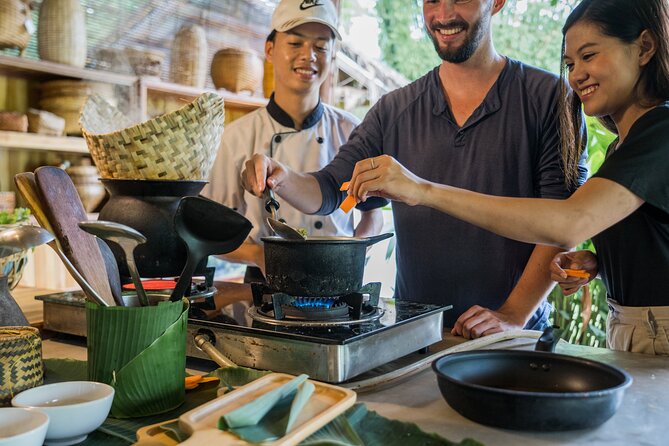
Once the dish is ready, you enjoy your own food at the resort’s restaurant. This is a pleasant finish because the meal is the result of your work, not simply a tasting added to the schedule.
The Namkhan’s position beside the Khan River adds to the setting. The class description presents the resort as an eco-resort with a riverside beach, so you can expect the surroundings to be a key part of the appeal. The information does not promise a particular table, river view, or beach activity, so treat the scenery as a feature of the resort rather than a guaranteed private dining setup.
The resort atmosphere also explains part of the price. At $63.34 per person, this is more than a basic local cooking lesson might cost, but it includes a garden visit, ingredients, a local chef, cultural guidance, the meal, and the setting of an established eco-resort. For someone who values a polished venue and a small group, the cost can be reasonable.
If your main goal is simply to learn one inexpensive Lao recipe, you may find cheaper options elsewhere. If you want the food lesson tied to organic farming and a peaceful riverside resort, the higher price has a clearer purpose.
Recipes to Take Home
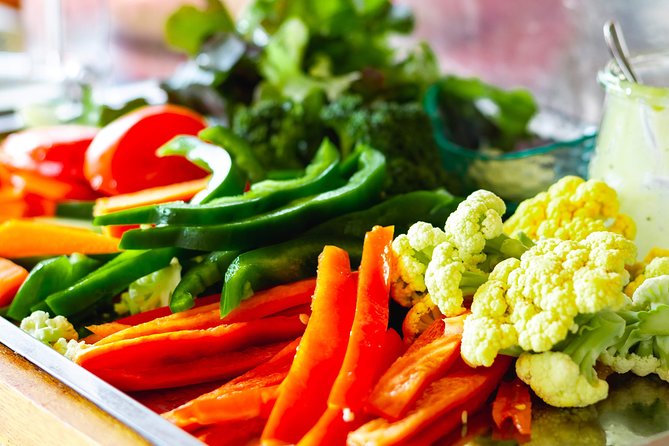
Recipes are provided after the class. This is one of the most useful details because it extends the value beyond the three-hour visit. You can try the dish again after returning home, using the techniques and ingredient knowledge from the session.
Keep in mind that some Lao ingredients may be harder to find outside Southeast Asia. The recipe can still help you understand the structure of the dish and identify possible substitutes, but the final result may not taste exactly the same with different produce.
The take-home recipes also make the class a good choice for couples, families, and friends who want a shared activity with something practical at the end. You are not only collecting photographs or memories. You have a recipe connected to a meal you prepared yourself.
How the $63.34 Price Measures Up
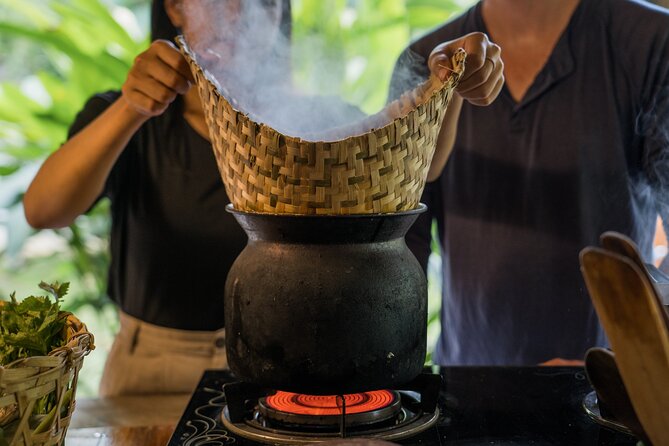
The price is $63.34 per person. For three hours, that may look high compared with a short demonstration, but this is not just a demonstration.
Your fee covers several linked parts:
- Harvesting produce from the organic garden and greenhouses
- Washing and preparing the vegetables
- Guidance from a local chef
- Cultural explanations in English
- Cooking a traditional Lao dish
- Eating the finished meal at the farm-to-table restaurant
- Receiving recipes afterward
The group limit of six also supports the price. A chef can give more direct help to a small group than to a room full of people. That said, the value depends on what you want. I would book it if you care about food sourcing, local instruction, and a well-presented setting. I would compare other classes if you mainly want the lowest price or several dishes in one session.
The class has a 4.9 rating from eight published ratings, with praise focused on the complete process, clear English guidance, Lao cultural explanation, professional instruction, and the resort atmosphere. That is a small sample, so I would treat it as encouraging rather than conclusive. The positive pattern is still useful: the strongest part is the combination of garden work, cooking, and personal guidance.
Who Will Enjoy This Class Most
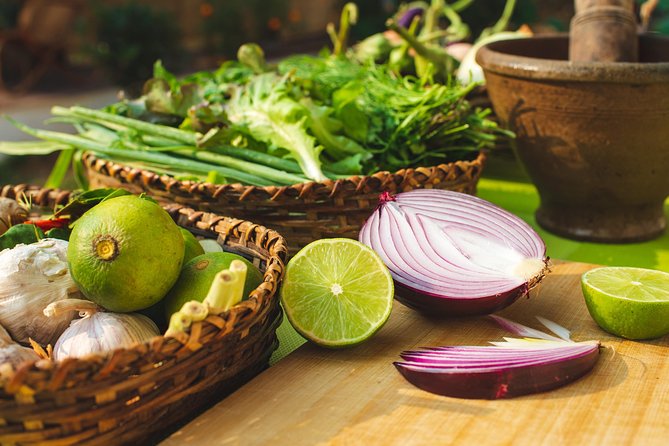
I would recommend The Namkhan cooking class to you if you enjoy food as a way to understand daily life. It suits people who like organic gardens, small groups, hands-on activities, and meals connected to local ingredients.
It also works well for couples or a small group of friends. With no more than six people, the session should be easier to follow and more comfortable for asking questions. Families may enjoy it too, provided everyone is happy with a three-hour activity involving garden work and cooking.
The class is less suitable if you need a guaranteed menu, a fully indoor activity, or a very low-cost introduction to Lao cuisine. It is also not the safest choice for a tightly packed itinerary if weather changes could cause a schedule problem.
The legal drinking age at the resort is strictly enforced at 18. If alcohol is part of your plans, keep that rule in mind. Service animals are allowed, and the location is near public transportation, though the provided details do not give a dedicated transfer service.
Booking Advice and Cancellation Terms
The experience is often reserved about 39 days ahead, so booking early is sensible if your dates are fixed. Confirmation is sent within 48 hours, subject to availability.
You can cancel for a full refund up to 24 hours before the start time. Changes or cancellations inside that 24-hour window are not accepted for a refund. The cut-off follows local time in Luang Prabang.
Because good weather is required, leave some flexibility in your schedule if possible. If the provider cancels because of weather or because the minimum number of people is not reached, you are offered another date or experience, or a full refund.
Should You Book The Namkhan Cooking Class?
Book it if you want more than a recipe lesson. The garden harvest, local chef, cultural explanation, small group, and riverside resort setting create a complete food activity in about three hours. The recipes afterward add lasting value.
Skip it if $63.34 feels too high for one dish, if you need a fixed menu, or if your schedule cannot handle a weather-related change. For the right reader, though, The Namkhan offers a thoughtful way to connect Lao cooking with the land that supplies it.
FAQ
Where does The Namkhan cooking class start?
It starts at The Namkhan Wellness Center in Don Keo Village, Luang Prabang 06000, Laos.
Where does the activity finish?
The activity ends back at the meeting point.
How long does the cooking class last?
The class lasts approximately three hours.
How much does the class cost?
The listed price is $63.34 per person.
How many people can join the class?
The activity has a maximum of six people.
What does the cooking class include?
It includes harvesting vegetables from the organic gardens and greenhouses, preparing them, cooking a traditional Lao seasonal dish with a local chef, and eating the finished meal at the farm-to-table restaurant.
Are recipes provided after the class?
Yes. Recipes are provided afterward.
What happens if the weather is poor?
If poor weather causes cancellation, you are offered a different date or a full refund.
Just added in Luang Prabang
- The Namkhan – Traditional Lao Bamboo Weaving★ 5.0 · 4 reviews
- Unwind with a Sunset Cruise on the Mekong River★ 5.0 · 4 reviews
- Night Bus to Huay Xai, Chiang Rai, Thailand – Hotel pickup★ 3.0 · 2 reviews
- Sunset Cruise in Luang Prabang with Live Performance★ 4.5 · 3 reviews
- The Namkhan – 90 Minutes Private Signature Scrub and Massage★ 5.0 · 2 reviews
- Private Tour: Half-Day City Tour of Luang Prabang★ 4.5 · 4 reviews
- Trek to Tad Sae Waterfalls, Local Village★ 4.5 · 2 reviews
- Private Full-Day Luang Prabang City Tour★ 5.0 · 1 review
Lao Cooking Classes, compared.
Day-time Bamboo weaving & Cooking Classes join-in
Read our review →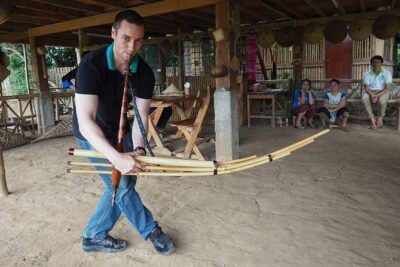
Evening Bamboo weaving & Cooking classes join-in
Read our review →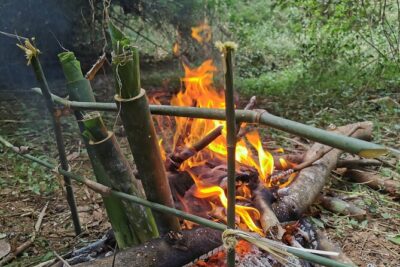
Tribal Cooking Class in Luang Prabang Forest and visit
Read our review →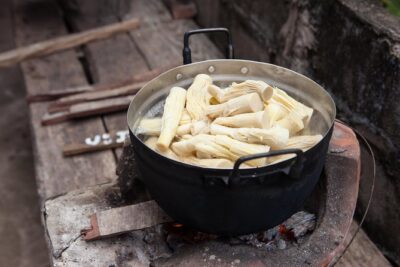
Traditional Market Tour and Private Laotian Cooking Class with a Local
Read our review →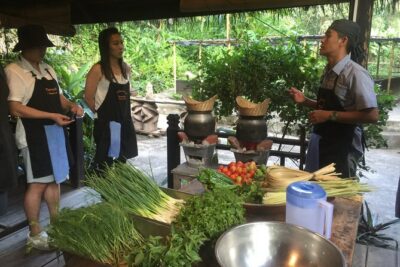
Browse the lists this tour appears in