
Reviewed · NAM HA NPA JUNGLE TREKS
Nam Ha NPA 3 Day Wildlife Jungle Camp and Village Homestay Trek
Trade jungle comfort for real connection. This three-day Nam Ha trek pairs forest walking with hands-on village life, including a banana leaf camp, jungle cooking, fishing, frog hunting, medicinal plants, and time with Khmu communities. I like the mix of practical skills and cultural contact, and I especially like that local guides such as Nom, Xiong, and Sing bring personal ties to the forest rather than simply leading you along a marked path.
The main caution is physical comfort. You should expect steep sections, thick forest, river crossings, and basic sleeping conditions. At $149 per person, the price is strong because it covers transport, guides, meals, accommodation, park entry, and village activities, but this is not a soft adventure with hotel comforts.
In This Review
- Key things to know before you book
- Why this Nam Ha trek feels different
- Day 1: From Luang Namtha to the banana leaf camp
- Day 2: River crossing, Nalan village, and Khmu culture
- Day 3: Coffee, rice pounding, and the return route
- What the $149 price really includes
- The guides are the heart of the experience
- Who should book this trek?
- Practical advice for a smoother three days
- Should you book the Nam Ha NPA trek?
- FAQ
- How long is the Nam Ha NPA trek?
- Where does the trek start?
- What accommodation is included?
- Are meals included?
- How difficult is the trek?
- How many people can join the tour?
Key things to know before you book
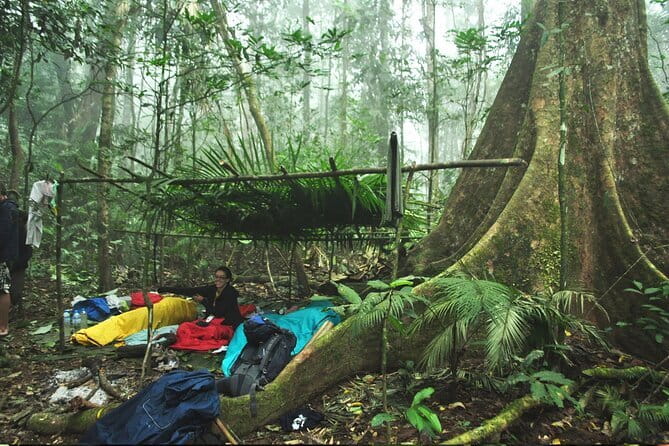
- A true jungle camp: You spend a night in a traditional hunter’s camp made with local materials, including banana leaves.
- Food is part of the adventure: You help fish, hunt frogs, collect jungle ingredients, and cook with forest resources.
- Local guides make the difference: Nom, Xiong, and Sing are praised for their English, kindness, forest skills, and links with local people.
- A small group of up to eight: The limited group size should make it easier to ask questions and follow the guide through narrow forest paths.
- Two route choices on Days 2 and 3: Your guide can offer different hiking options, so the exact walking plan may change.
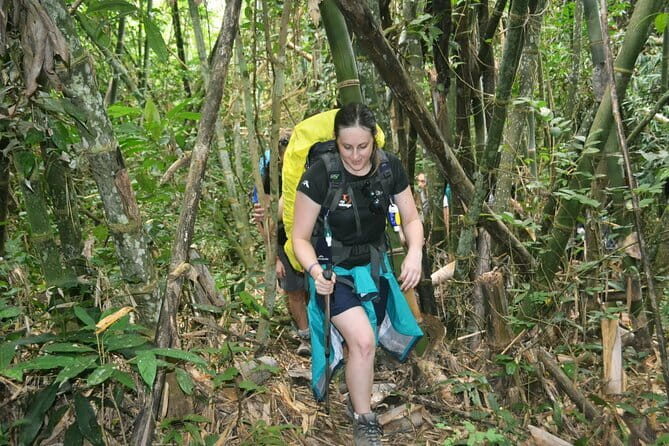
- Basic fitness is needed: Expect uphill hiking, thick jungle, and a moderate physical challenge rather than a casual nature stroll.
Why this Nam Ha trek feels different
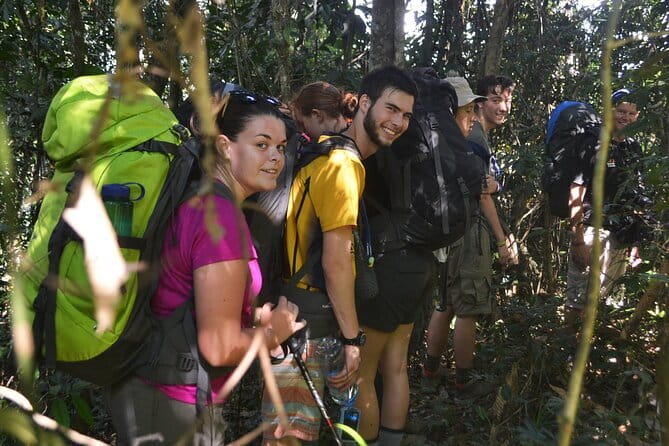
Many jungle excursions give you a trail, a guide, and a packed lunch. This one asks you to take part. You do not simply watch someone prepare food. You may learn how local people use plants for cooking and medicine, fish in the river, hunt frogs, pound rice, and try crossbow shooting.
That hands-on approach gives the trip its character. I like experiences that explain how people live in a place, rather than treating the forest as scenery. Here, the jungle provides both the route and some of the evening meal.
The cultural side is just as important. The itinerary includes time in Nam Ha and Nalan villages, along with a village homestay and a chance to learn about Khmu life and customs. You are not visiting a staged attraction with a quick photo stop. The activities are simple, practical, and tied to daily life.
The guide matters enormously. Nom is praised for clear English, patience, care, and an easy way with groups. Xiong has completed more than 400 treks and is described as calm and capable on steep hills and forest paths. Sing is also praised for warmth and thoughtful care. Guide quality can vary on any small local tour, but these names give you useful information when confirming your booking.
More Nam Ha NPA jungle treks:
- Vang Vieng: Jungle & Caves Full-Day Private Trekking Tour
★ 3.4 · 7 reviews - Luang Prabang: Kuang Si Waterfall Jungle Rafting
★ 4.9 · 7 reviews - Nalan Trail and Khmu Tribe: 2 Days Trek in Nam Ha NPA
★ 5.0 · 5 reviews
Day 1: From Luang Namtha to the banana leaf camp
The meeting point is Phou Iu Travel & Ecotourism in Phonexay Village, Luang Namtha. You start at 9:00 a.m. and travel by tuk-tuk, with a stop at a local market to buy supplies before reaching Nam Ha village.
That market stop is a smart part of the day. It lets you see what local ingredients are being used and gives you a practical introduction to the food you may later help prepare. It also means the first day is not just a transfer followed by a walk. The trip begins with ordinary local life.
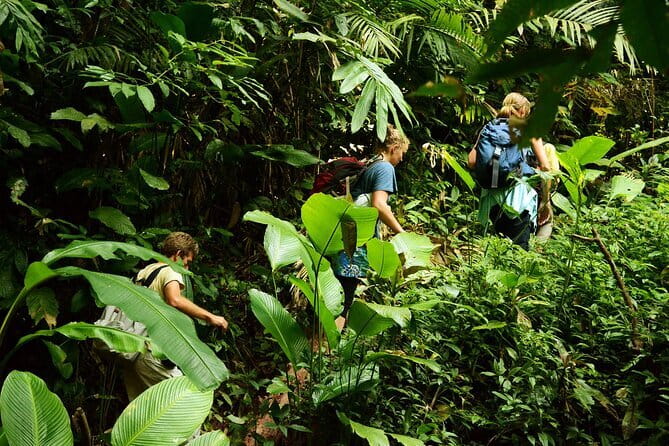
From Nam Ha village, you set off with a local guide into the forest. The first hiking section lasts about four hours, including breaks and a picnic lunch. The route takes you into thick jungle, where the guide introduces plants, wildlife, and forest use.
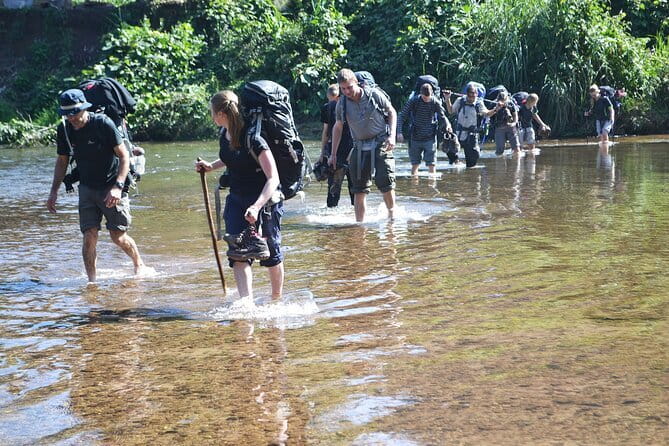
Do not expect a smooth walking path all the way. The physical challenge comes from uphill sections, uneven ground, and the possibility of wet conditions around streams or the river. One account describes the uphill stretches as demanding, though the guide kept the pace manageable. That is useful context: you do not need to be an expert mountaineer, but you should be comfortable walking for several hours in a warm, humid forest.
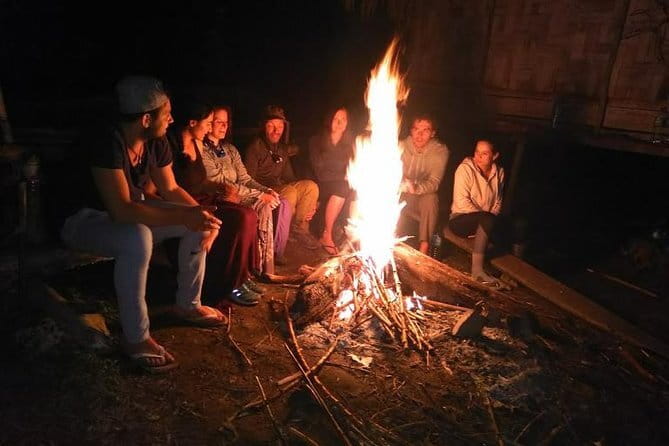
The first night is spent at a jungle camp. The description of a banana leaf shelter and traditional hunter’s camp tells you what to expect: resourceful, basic accommodation rather than a fixed cabin. You learn how shelter and food can be made from materials found nearby.
Dinner is part of the lesson. Depending on the available ingredients and the guide’s plan, you may fish, hunt frogs, gather plants, and cook with jungle resources. The food is included, but the larger value is learning how a forest can support daily life.
This is also the night when the trip becomes most rustic. You will not have the privacy, plumbing, or familiar routine of a hotel. Pack with that in mind and bring personal medicine, a refillable water bottle, and sandals or flip-flops for use around camp. Snacks and fruit are not included, so buy any extras you want at the market.
Day 2: River crossing, Nalan village, and Khmu culture
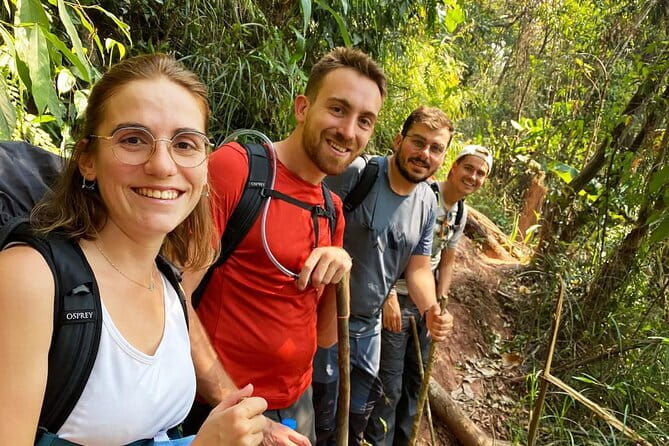
Morning begins with the sounds of the forest, followed by breakfast at camp. Day 2 offers route options, which is useful because the guide can adjust the plan to the group’s pace and conditions.
One listed option is a roughly three-hour hike across the Nam Ha River toward Nalan village. You then enjoy a traditional lunch and learn about Khmu life and customs. This is one of the strongest parts of the trip for anyone who wants cultural contact rather than only forest scenery.
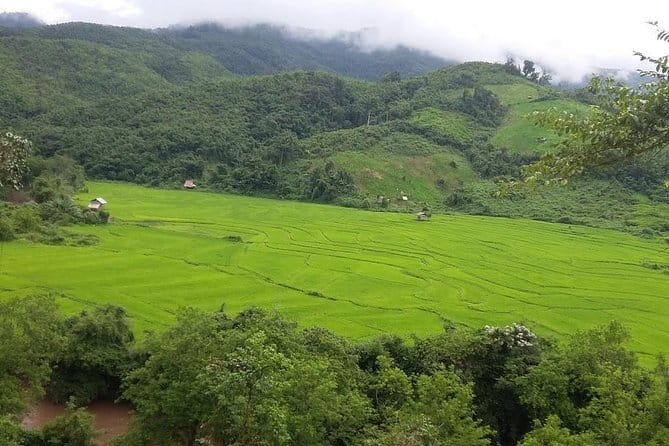
The river crossing gives the day a clear sense of place. It is not simply a walk between two tourist stops. You are moving through the same kind of terrain that connects the villages and forest communities. Since the exact crossing conditions are not specified, listen closely to your guide and wear footwear that can cope with wet ground.
Nalan village offers a change of pace after the forest camp. You can expect more direct contact with village life, local food, and customs. The itinerary also includes homestay accommodation, giving you a second night that feels different from the jungle camp.
The homestay is still basic, but it provides a more social setting. You have a chance to observe how a village household receives visitors and how food and daily routines are shared. I like this contrast: the first night teaches forest survival skills, while the second brings you closer to settled community life.
The tour includes village activities and meals, including two breakfasts, three lunches, and two dinners across the trip. That is a meaningful saving in a remote setting, where arranging food independently would be difficult. It also means you should be ready to eat what is prepared locally rather than expecting a separate tourist menu.
The guide’s role is especially important here. Nom is described as having grown up in a local tribe, and guides are praised for explaining plants, animals, medicine, and Khmu customs in a friendly way. That personal connection can turn a short village visit into a more respectful exchange.
Still, keep your expectations grounded. This is not a formal anthropology lesson, and the available itinerary does not promise a long list of scheduled presentations. The value is in informal contact, shared activities, and explanations as you move through the village.
Day 3: Coffee, rice pounding, and the return route
Your final morning includes a village visit, Lao coffee or local tea, crossbow shooting, and rice pounding. These activities are small but revealing. They show how the trip focuses on doing, not just looking.
Crossbow shooting gives you a glimpse of traditional hunting skills, while rice pounding connects directly to food preparation. Neither activity should be treated as a performance detached from local life. Your guide can explain how these tools and tasks fit into the wider forest and village setting.
After breakfast, you choose between further hiking options. One route lasts about three to four hours and climbs uphill through the forest before continuing toward the return point. The details can vary, so ask your guide at the start of the day how much climbing is involved and how long the planned route will take.
By this point, your body may feel the trip. Two nights of basic accommodation and several hours of walking are more tiring than the three-day label suggests. The advantage of the flexible route choices is that the group may be able to take the option that best fits its energy and conditions.
The experience ends back at the original meeting point. Transportation is included, and the tour provides the park entry fee, government charges, and community distribution. That last item matters. Part of what you pay is directed through the local structure of the tour rather than covering only an outside operator’s services.
More village stays and hill tribe treks:
- Luang Prabang: Hmong Batik Art Workshop
★ 5.0 · 27 reviews - Laos Elephant Sanctuary keeper+ Kuangsi waterfall +Hmong village
★ 5.0 · 25 reviews - The Wild Explorer – 3 days forest trek with homestay and camping
★ 4.5 · 22 reviews - Nalan Trail Kmu Ethnic Experience – 2days forest trek with homestay.
★ 5.0 · 21 reviews
What the $149 price really includes
At $149 per person, this trek is good value if you want a full three-day experience rather than a short forest walk. The price includes:
- English-speaking and local guides
- Tuk-tuk transportation
- Jungle camp and village homestay accommodation
- Breakfast, lunch, and dinner
- Food and water
- All village activities
- Nam Ha NPA entry fee
- Community distribution
- Government taxes and charges
The meals alone remove a common source of extra cost. So does the park fee and transport. You also receive local guiding for three days, which is where much of the experience’s value lies.
You still need to budget for snacks, fruit, a personal water bottle, and medicine. The tour specifically asks you to bring sandals or flip-flops, which are useful around camp and after wet sections. Keep luggage light and practical. You will appreciate having only what you need when walking through thick forest.
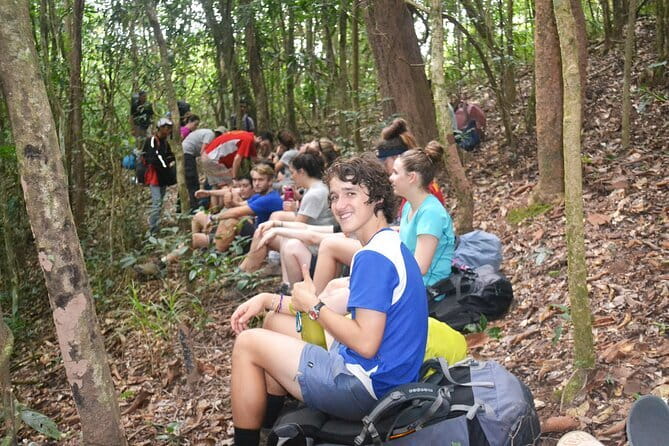
The maximum group size is eight people. That is not a private tour, but it is small enough for the guide to watch the group and answer questions. The group size also affects the social side of the homestay and camp. If you prefer solitude, any group trek may feel busy. If you enjoy shared meals and outdoor tasks, the small group should suit you well.
The experience is often booked about 24 days ahead. That suggests planning is sensible, especially if your Laos route has fixed dates. Confirmation is provided at booking, and free cancellation is available until 24 hours before the start time.
The guides are the heart of the experience
The most praised part of this trip is not the tuk-tuk, the meals, or even the forest. It is the guides.
Nom is repeatedly described as friendly, helpful, thoughtful, and easy to communicate with in English. He explains plant uses, including food and medicine, and helps make the camp comfortable. His ability to connect with local people adds value in the villages as well as on the trail.
Xiong is noted for having led more than 400 treks. That kind of experience matters on a route with steep hills, river crossings, and thick jungle. A good guide can judge when to pause, explain what you are seeing, and keep a difficult section from becoming stressful.
Sing is also praised for kindness, smiles, and careful attention. The trip may use more than one local guide, depending on group size. That can give you a wider view of the region and help with communication and practical tasks.
When you book, ask which guide or guides are assigned to your departure if that information is available. The provider is Phou Iu Travel & Ecotourism, and the strongest accounts consistently point to the local team as the reason the trip feels personal rather than routine.
Who should book this trek?
I would recommend it to you if you want:
- A forest experience with practical activities
- Small-group travel in northern Laos
- Local food and village contact
- A chance to learn about medicinal plants and traditional skills
- Basic camping and homestay accommodation
- A moderate physical challenge over three days
You should think twice if you need private rooms, regular showers, highly predictable schedules, or easy walking. The route includes jungle terrain and uphill sections, and the accommodation is intentionally simple.
It also suits curious eaters. The included food is local and tied to the activities, so you may help prepare ingredients rather than simply receive restaurant-style meals. That is a major strength, but only if you enjoy flexibility and do not need a familiar menu.
The trip is also a good fit if you care about community-based tourism. The package includes community distribution and village activities, while the guides bring direct links to the area. You should still approach villages with care, ask before taking photographs, and follow the guide’s lead during cultural activities.
Practical advice for a smoother three days
Wear sturdy walking shoes and bring lightweight clothing suitable for warm, damp conditions. The itinerary includes river and forest sections, so quick-drying clothes are more useful than heavy cotton.
Bring the items the operator leaves out of the package: snacks, fruit, a personal water bottle, medicine, and sandals or flip-flops. A small bag is easier to manage than a full backpack, especially when moving between camp, village, and trail.
Ask about the exact Day 2 and Day 3 route before setting out. The tour offers options, and knowing the expected hiking time will help you judge your energy. If one person in the group is slower, say so early. The listed pace includes breaks, and the guide can better manage the day when everyone is clear about comfort levels.
Do not count on seeing large animals. The tour is built around wildlife knowledge, forest signs, plants, and traditional skills, not guaranteed sightings. You may hear wildlife in the morning and learn about animals from the guide, but the forest decides what appears.
Finally, keep an open mind about comfort. The banana leaf camp is memorable because it is unlike a normal hotel night. The homestay is valuable for the same reason. You are paying for access to a way of life and a place, not for polished facilities.
Should you book the Nam Ha NPA trek?
Book it if you want a hands-on forest trip with real local contact. The combination of jungle skills, Khmu village life, local meals, and experienced guides gives this trek more substance than a standard sightseeing walk.
The $149 price is fair for three days of guiding, food, transport, accommodation, park fees, and activities. I would choose it over a shorter trip if you have the time and a reasonable level of fitness.
Skip it if you want comfort, fixed routes, or a gentle nature outing. For everyone else, especially those who value practical learning and personal contact, this is a strong way to experience Nam Ha National Protected Area.
FAQ
How long is the Nam Ha NPA trek?
The experience lasts approximately three days and starts at 9:00 a.m. on Day 1. It ends back at the original meeting point in Luang Namtha.
Where does the trek start?
You meet at Phou Iu Travel & Ecotourism in Phonexay Village, Luang Namtha, Laos. Transportation is provided from the meeting point.
What accommodation is included?
The package includes accommodation in a jungle camp and a village homestay. The jungle camp uses traditional materials such as banana leaves and is basic in style.
Are meals included?
Yes. The package includes two breakfasts, three lunches, and two dinners, along with food and water. Snacks and fruit are not included.
How difficult is the trek?
A moderate level of physical fitness is required. The route includes forest walking, uphill sections, thick jungle, and a river crossing. Route options on Days 2 and 3 can affect the amount of hiking.
How many people can join the tour?
The maximum group size is eight people. An English-speaking and local guide is included, along with transportation, village activities, the Nam Ha NPA entry fee, and applicable charges.
More Treks in Laos
- Luang Prabang to Nong Khiaw: River Cruise, Hike & Waterfall
★ 4.4 · 53 reviews - Full Day Trek to Kuang Si Waterfalls, Remote Village
★ 5.0 · 38 reviews - Luang Prabang: Full Day Trek to Kuang Si Waterfall & Village
★ 4.6 · 20 reviews - Luang Prabang Thin Pha Trail & Tad Sae Falls Trek
★ 4.6 · 17 reviews
Just added in Laos
- Vientiane Private Lao Cooking Class with Market Tour★ 4.0 · 3 reviews
- Vientiane: Lao Cultural Attire Rental Experience★ 5.0 · 3 reviews
- Vientiane: Half-Day City Tour – Morning or Afternoon★ 4.0 · 3 reviews
- Vang Vieng: Zipline&Water Cave&Tham Chang&Blue Lagoon 1★ 5.0 · 3 reviews
- Vangvieng a beauty and incredible things to do.★ 5.0 · 2 reviews
- Vientiane: Art, Culture, & Inspiration Guided Day Tour★ 5.0 · 3 reviews
- Vang Vieng: Zipline&Kayaking&BlueLagoon 1★ 3.7 · 3 reviews
- Vang Vieng: Paragliding Experience with Hotel Pickup★ 5.0 · 3 reviews
Nam Ha NPA Jungle Treks, compared.

Nalan Trail and Khmu Tribe: 2 Days Trek in Nam Ha NPA
Read our review →
2 Days Multi Adventure in Nam Ha NPA: Trek and Kayak
Read our review →
Browse the lists this tour appears in