
Reviewed · HILL TRIBE VILLAGES AND HOMESTAYS
Hunter Trails, 3 days difficult trekking with Camping & Homestay
Leave the easy trail behind. This three-day trek from Luang Namtha follows old hunter paths through Nam Ha’s primary forest, with steep climbs, hilltop views, campfire cooking, wildlife spotting, and a quiet village homestay. I especially like the strong local focus and the chance to eat food gathered from the forest, not just meals carried in from town. The tradeoff is clear: this is a difficult hike, and you must bring several basics yourself, including boots, a torch, mosquito spray, and a change of clothes.
The Hiker limits the group to eight people, which matters on narrow jungle paths and makes it easier to ask guides questions. Guides including Kham, Mun, Thit, Noy, Xai, and Thid have earned praise for explaining plants, animals, village customs, and Khmu traditions. At $175 per person, the price is not the lowest in Luang Namtha, but it covers three days of food, guiding, transport from the agency, camping, and a homestay.
In This Review
- At a glance: what makes this trek different
- Starting south of Luang Namtha at Ban Prang
- Walking into primary forest on the Hunter Trails
- Forest meals cooked over a campfire
- Night one: a basic camp in the jungle
- Day two through thicker forest and higher ground
- Day three in a working village
- How hard is the three-day route?
- What the $175 price buys you
- Practical details to sort out before you go
- The guides make the difference
- Who should book Hunter Trails?
- FAQ
- Where does the Hunter Trails trek start?
- What time does the trek begin?
- How long is the Hunter Trails experience?
- How many people can join the group?
- Is the trek suitable for all fitness levels?
- What meals are included?
- What should I bring?
- Should you book this trek?
At a glance: what makes this trek different
- Three days on old hunter trails: You walk through primary forest rather than staying on a simple village footpath.
- Steep hiking for six to seven hours a day: The route suits people with strong fitness and a taste for hard climbs.
- Food gathered from the jungle: Guides may collect edible plants and other wild ingredients for meals cooked over an open fire.
- A basic jungle camp and village homestay: You get two very different nights, one in the forest and one among local village life.
- Small groups of up to eight: This keeps the outing more personal and practical on rough paths.
- A flexible seasonal challenge: The route is described as harder in the rainy season and more moderate in dry weather.
Starting south of Luang Namtha at Ban Prang
Your morning begins at 8:30 at The Hiker Travel Agency on Main Street in Phonexay Village, Luang Namtha. The trailhead is Ban Prang, about 35 kilometers south of town, so the day starts with a road transfer before your boots meet the trail.
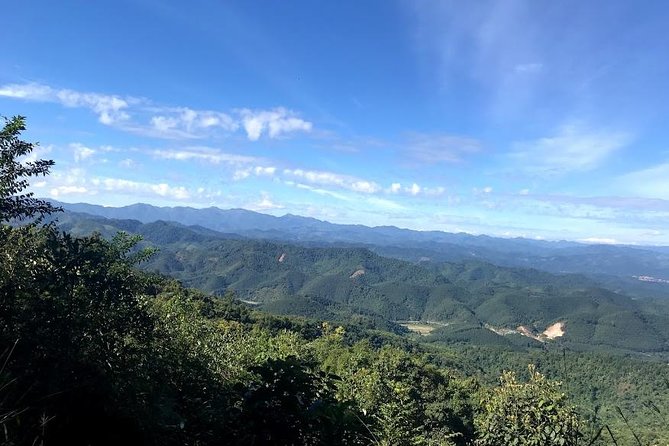
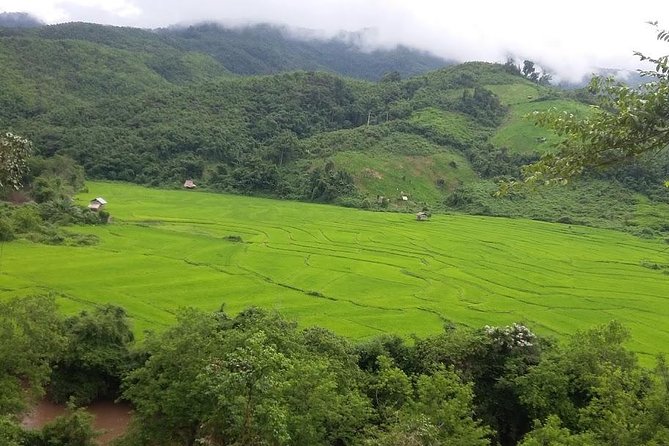
That drive is part of the point. You are leaving the town’s services and heading toward working farmland and forest. The first section climbs steep hills beside rice fields, giving you a look at villagers working in the fields before the route turns farther into the trees.
I like this opening because it gives the trek a human setting before the jungle takes over. You see how the forest connects with farming, food, and village life. It is not a quick photo stop followed by a gentle walk. The climb begins early, so use the first stretch to settle into the pace.
You should expect several hours of walking each day, often six to seven hours including breaks. Past descriptions of the route compare the effort to a demanding mountain trek, with steep ascents and descents. Dry-season conditions may feel moderate to a fit hiker, but the rainy season can make the same route much harder.
More village stays and hill tribe treks:
- Luang Prabang: Hmong Batik Art Workshop
★ 5.0 · 27 reviews - Laos Elephant Sanctuary keeper+ Kuangsi waterfall +Hmong village
★ 5.0 · 25 reviews - The Wild Explorer – 3 days forest trek with homestay and camping
★ 4.5 · 22 reviews
Walking into primary forest on the Hunter Trails
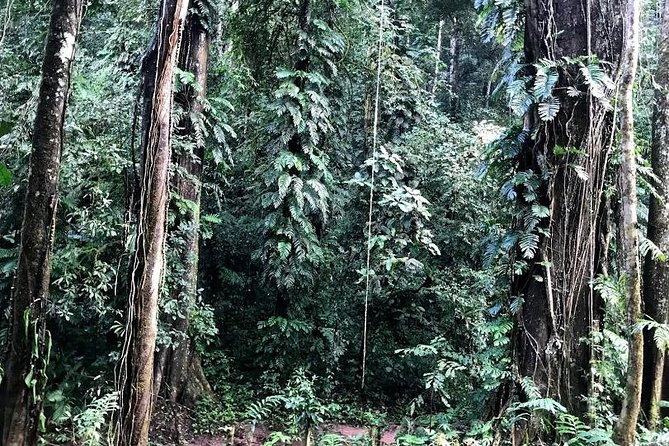
The central attraction is the forest itself. The route follows old hunter trails through large, old trees and areas of abundant jungle. These are not polished paths designed for quick sightseeing. The trail may feel rough, steep, and quiet, with your guide choosing the safest way through.
This is where a local guide adds real value. Guides such as Mun, Noy, Thit, Xai, and Thid are praised for explaining plants, fruits, animals, and the customs of local ethnic groups. You may stop to look at useful plants or learn how forest resources fit into daily life. The experience is less about ticking off a list of sights and more about learning how people read the woods.
Wildlife spotting is included as a possibility, not a guarantee. The forest gives you the setting for birds, insects, and other animals, but this is not a zoo or a safari drive. Move quietly, keep your eyes open, and let the guide point out small signs that you might miss.
The route also gives you hilltop views. After steep climbs, these high points provide a welcome pause and a wider look across the surrounding hills and fields. The views are a reward for effort, not something you reach by vehicle.
Forest meals cooked over a campfire
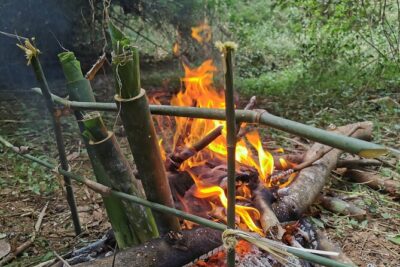
Food is one of the strongest parts of this experience. The package includes three lunches, two dinners, and two breakfasts. Some ingredients come from the market, while others may be collected along the way from the forest. Meals are prepared over an open fire, giving the evening a simple, hands-on feel.
The phrase wild organic food should not lead you to expect a restaurant menu in the jungle. Food depends on what is available and safe to gather. That uncertainty is part of the appeal, but it may not suit anyone who needs a highly controlled diet or dislikes unfamiliar ingredients.
I like the way meals connect the hike to the place. You are not simply carrying packaged food into a pretty forest. You may learn what grows there, how it is used, and how your guide turns it into dinner. Several guides receive particular praise for cooking, including Thit and his Khmu companion.
Bring your own snacks if you need extra energy, but do not count on the tour details for a full list of personal food arrangements. The supplied information confirms the included meals, not every ingredient or menu. Ask The Hiker about dietary needs before booking.
Night one: a basic camp in the jungle
The first night is spent in the forest at a dedicated jungle camp. The huts are described as basic but adequate, so you should picture shelter rather than comfort. The setting is the star: old trees around you, a campfire nearby, and the sounds of the forest after dark.
This is a good middle ground for people who want a genuine jungle night without building a shelter from scratch. You still need to accept simple conditions. The tour does not provide a rucksack, hiking boots, hat, sun cream, mosquito spray, torch, or a change of clothes, so pack with care.
A torch is especially important. Do not assume your phone will replace one for a full night outdoors. Mosquito spray, sun protection, and dry clothing are basic comforts that can make the difference between a memorable camp and a miserable one.
The first morning starts early. You can wash, have coffee or wild tea, and eat breakfast while the guide prepares for the next section. That rhythm, wake up, wash, eat, walk, is part of what makes the trek feel remote.
More Treks in Laos:
- Luang Prabang to Nong Khiaw: River Cruise, Hike & Waterfall
★ 4.4 · 53 reviews - Full Day Trek to Kuang Si Waterfalls, Remote Village
★ 5.0 · 38 reviews - Nalan Trail Kmu Ethnic Experience – 2days forest trek with homestay.
★ 5.0 · 21 reviews - Luang Prabang: Full Day Trek to Kuang Si Waterfall & Village
★ 4.6 · 20 reviews
Day two through thicker forest and higher ground
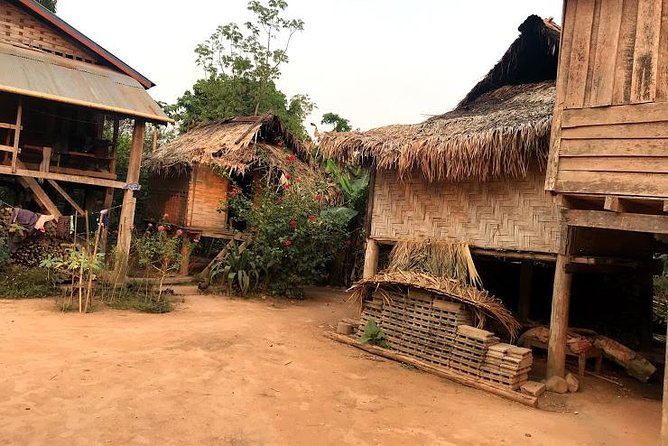
Day two continues through abundant forest, with more walking, more changes in elevation, and another chance to spot wildlife. The information provided does not give a fixed distance or exact route, so you should expect the guide to set the pace according to weather, trail conditions, and group ability.
This is likely the most demanding day for many people because the early excitement has worn off and the legs have already worked through a full day of hills. Strong fitness is not a formality here. You need to be comfortable walking steep paths for much of the day, with breaks rather than long periods of sitting.
The small group helps. A maximum of eight people means the guide can explain what you are seeing and adjust the pace more easily than on a large bus-style outing. If you are traveling with only one other person, the price may feel higher per person, since the cost does not spread across a larger group.
The second evening leads to the village homestay. This change of setting is valuable. You move from a basic forest camp to a lived-in community, where the pace is quieter and the focus shifts from trees and trails to people and daily routines.
Day three in a working village
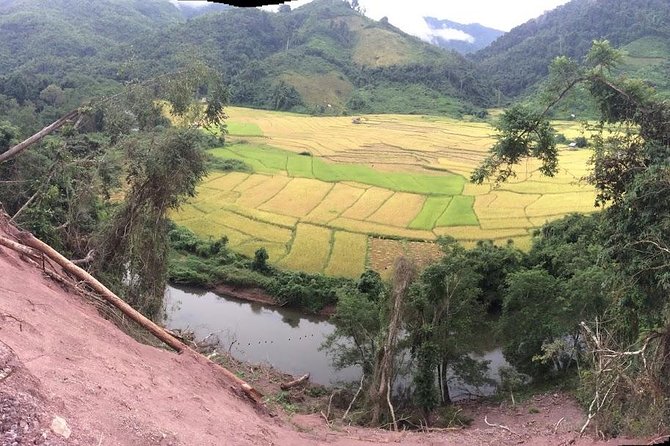
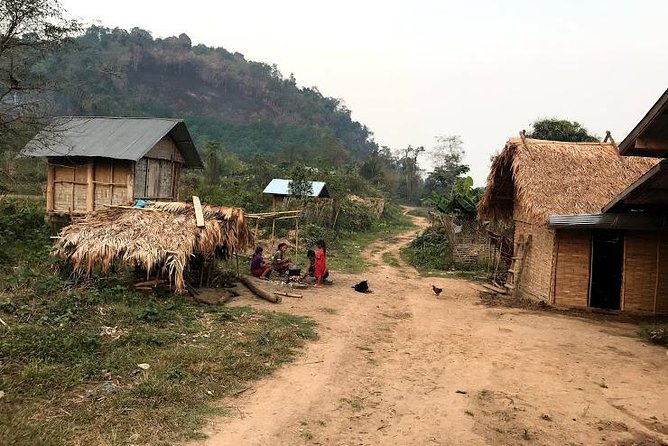
The village morning begins early because local life starts early. You can walk around and watch people prepare for the day, work on farms, or practice bamboo weaving. This is not a staged cultural performance. The appeal is seeing ordinary work and learning how village life runs.
The homestay is one of the best reasons to choose this trip instead of a shorter jungle walk. It gives you time to notice details that a quick visit misses. You may see how farming and craft work fit together, and you can ask your guide about local customs and Khmu culture.
After breakfast, the trek continues before returning to the meeting point in Luang Namtha. The precise walking pattern for the final day is not set out in the available details, so confirm the expected finish time if you have a bus, train, or flight to catch.
The last day may feel less wild than the forest sections, but it completes the story. You have seen the route from field to forest to village, rather than treating the jungle as an isolated attraction.
How hard is the three-day route?
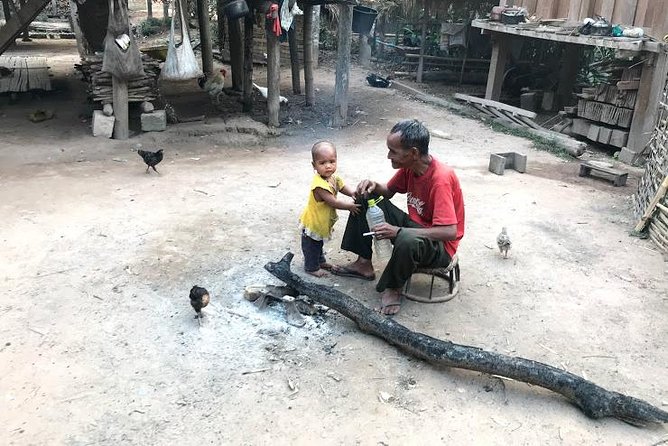
The honest answer is hard. The tour requires a strong level of physical fitness, and the route includes steep hills. You may walk six to seven hours per day, including rest stops.
Dry-season conditions can make the trek feel more moderate, while rain-season paths become tougher. Mud, wet ground, and slippery slopes are reasonable concerns, though the available details do not promise exact trail conditions on your dates.
I would choose this trek if you regularly hike and are comfortable with sustained uphill walking. It can also suit older, active hikers who want a challenge but prefer basic huts to building their own shelter. I would not choose it for a first serious hike, a relaxed family outing, or anyone hoping for a gentle nature walk.
Good boots matter. So does a light pack. The tour does not include a rucksack, so you need to bring or arrange one. Keep your load small enough for steep paths, but include the required personal items and dry clothing.
What the $175 price buys you
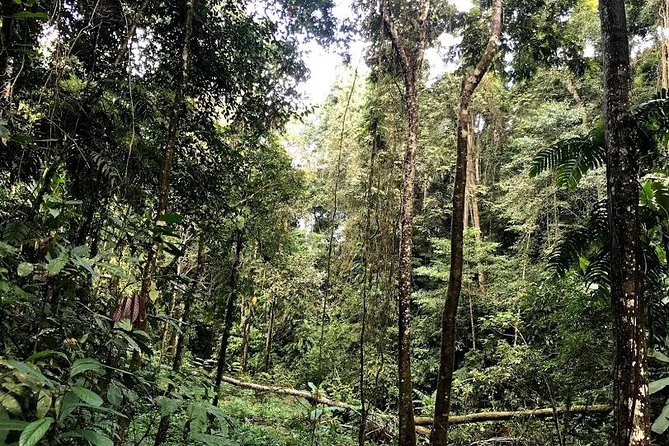
At $175 per person, the trek offers solid value if you want three full days rather than a short forest excursion. The price includes all fees and taxes, transport connected with the outing, three lunches, two dinners, and two breakfasts. It also covers the guide, jungle camp, and village homestay as part of the experience.
The value is strongest when you care about local food, forest knowledge, and a small group. You are paying for access to old trails and for guides who can explain what you are seeing, not just point toward a viewpoint.
The price may feel less attractive if you are only interested in scenery. A shorter trek could cost less and require less gear. Also, one or two people may pay more per person than a full group, since the cost is shared among fewer people.
Group discounts are available, which may improve the value for friends or families who book together. The average booking time is 56 days ahead, so planning early is sensible, especially if you want a particular date or guide.
Practical details to sort out before you go
The tour uses mobile tickets and confirms bookings at the time of purchase. It begins at The Hiker Travel Agency, 17A Main Street, Phonexay Village, Luang Namtha, at 8:30 in the morning. The activity ends back at the same meeting point.
Pack these items because they are not included:
- A rucksack
- Hiking boots
- A hat
- Sun cream
- Mosquito spray
- A torch
- A change of clothes
The supplied list ends after change of clothes, so ask the operator for a complete packing checklist before departure. You should also ask about food requirements, sleeping arrangements at the camp, and the expected finish time on day three.
Free cancellation is available up to 24 hours before the start time. Late cancellations and last-minute changes are not accepted, and poor weather may lead to a different date or a full refund.
The guides make the difference
This route would be much less meaningful without a good guide. The strongest praise goes to guides who explain plants, animals, food, village customs, and ancestral knowledge rather than simply leading from one waypoint to the next.
Kham and Mun are noted for their care and explanations. Thit is praised for botanical and cultural detail, as well as cooking with his Khmu colleague. Noy is praised for adapting the walking pace, while Xai and Thid receive warm comments for their nature explanations and friendly manner.
Guide quality can vary on any date, but The Hiker’s local focus is a major strength. If you want to learn as you walk, tell the agency what interests you. Ask about plants, wildlife, food, and Khmu culture before setting off, and you are more likely to get the kind of conversation you want.
Who should book Hunter Trails?
Book it if you want a demanding forest trek with a strong local connection. The combination of primary forest, old hunter paths, open-fire cooking, a jungle camp, and a village homestay is unusual and gives the three days a clear sense of place.
It is especially suitable for fit hikers, people who enjoy basic camping, and anyone who prefers small-group outings. It also works well for active older hikers who want remote scenery without having to construct their own shelter.
Think twice if you want comfort, fixed meal choices, short walking days, or a predictable path. The route is difficult, weather affects conditions, and several useful items are your responsibility.
FAQ
Where does the Hunter Trails trek start?
It starts at The Hiker Travel Agency at 17A Main Street in Phonexay Village, Luang Namtha, Laos.
What time does the trek begin?
The start time is 8:30 am.
How long is the Hunter Trails experience?
The trek lasts approximately three days.
How many people can join the group?
The maximum group size is eight people.
Is the trek suitable for all fitness levels?
No. The tour requires a strong level of physical fitness and includes steep hills. The route is described as harder in the rainy season and more moderate in the dry season.
What meals are included?
The package includes three lunches, two dinners, and two breakfasts.
What should I bring?
You need to bring or arrange a rucksack, hiking boots, a hat, sun cream, mosquito spray, a torch, and a change of clothes.
Should you book this trek?
I would book Hunter Trails if you want Laos at walking pace and are ready for real hills. The forest food, campfire evenings, old paths, and village homestay give you far more than a standard half-day outing.
I would skip it if your main goal is comfort or easy sightseeing. For fit hikers who accept basic conditions, $175 is a fair price for three days of guiding, meals, forest access, and local contact. Plan ahead, pack the missing essentials, and ask about seasonal trail conditions before you commit.
Just added in Laos
- Vientiane Private Lao Cooking Class with Market Tour★ 4.0 · 3 reviews
- Vientiane: Lao Cultural Attire Rental Experience★ 5.0 · 3 reviews
- Vientiane: Half-Day City Tour – Morning or Afternoon★ 4.0 · 3 reviews
- Vang Vieng: Zipline&Water Cave&Tham Chang&Blue Lagoon 1★ 5.0 · 3 reviews
- Vangvieng a beauty and incredible things to do.★ 5.0 · 2 reviews
- Vientiane: Art, Culture, & Inspiration Guided Day Tour★ 5.0 · 3 reviews
- Vang Vieng: Zipline&Kayaking&BlueLagoon 1★ 3.7 · 3 reviews
- Vang Vieng: Paragliding Experience with Hotel Pickup★ 5.0 · 3 reviews
Hill Tribe Villages and Homestays, compared.


Laos Elephant Sanctuary keeper+ Kuangsi waterfall +Hmong village
Read our review →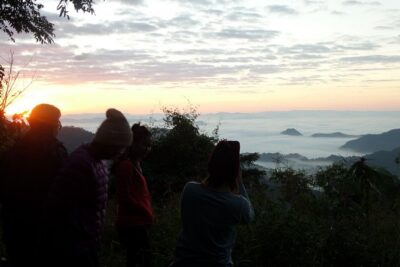
The Wild Explorer – 3 days forest trek with homestay and camping
Read our review →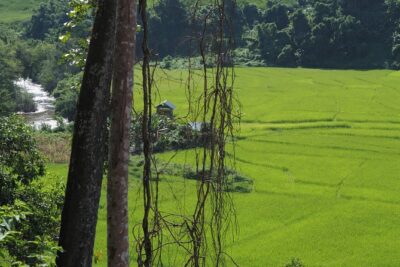
Nalan Trail Kmu Ethnic Experience – 2days forest trek with homestay.
Read our review →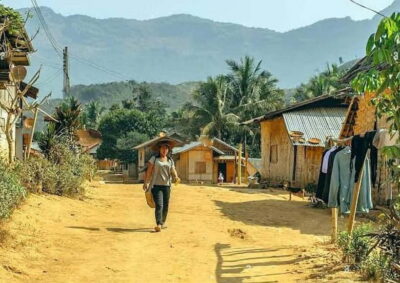
Tribal Cooking Class in Luang Prabang Forest and visit
Read our review →
Nam Ha NPA 3 Day Wildlife Jungle Camp and Village Homestay Trek
Read our review →Browse the lists this tour appears in