
Reviewed · HILL TRIBE VILLAGES AND HOMESTAYS
Luang Prabang: 3-Day Cultural Remote Trek With Homestay
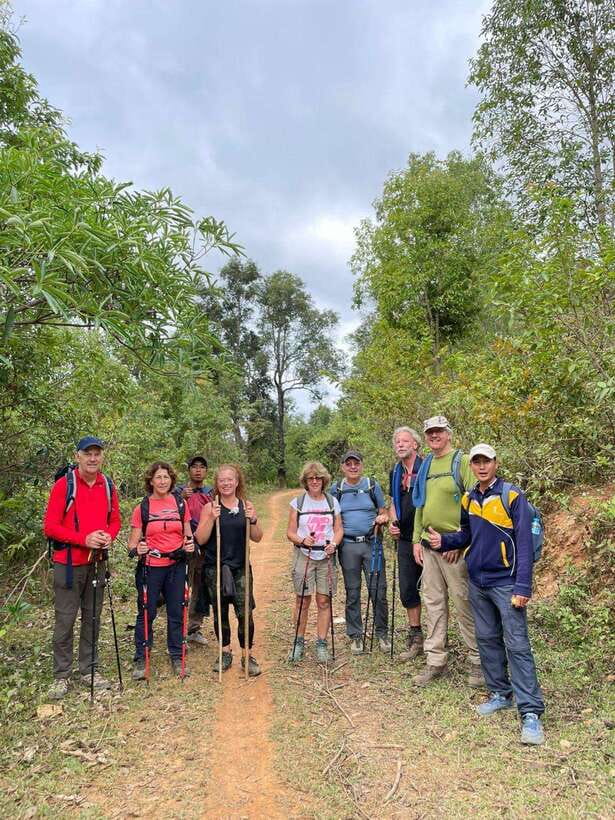
Remote Laos rewards sturdy shoes. This three-day trek takes you from Luang Prabang into jungle paths, rice fields, and mountain villages that see very few outsiders. I like the small-group feel and the chance to stay with Hmong and Khmu families rather than return to town each night.
I also like that local guides such as Aroun and Chan have brought real insight into village customs, plants, animals, and daily work. The main drawback is simple: comfort is basic, with limited washing facilities, little or no electricity, and challenging trails that become harder in rain or heat.
In This Review
- Key things to know before you go
- Why this trek feels different from a Luang Prabang day trip
- Day one: from the Mekong to a Hmong homestay
- Day two: valley streams and a large mixed village
- Day three: the long climb to mountain views
- What the homestays are really like
- Meals, guides, and contact with village life
- Is $360 a fair price?
- Who should book this Luang Prabang trek?
- Practical packing advice for three days
- Should you book it?
- FAQ
- How long is the trek each day?
- Where does the tour meet?
- Is transport included?
- What type of accommodation is provided?
- Is there electricity in the villages?
- What meals are included?
- Can I cancel or pay later?
Key things to know before you go
- Two remote village nights: Sleep in homestay-style accommodation in Hmong and mixed Hmong-Khmu communities, not in a tourist lodge.
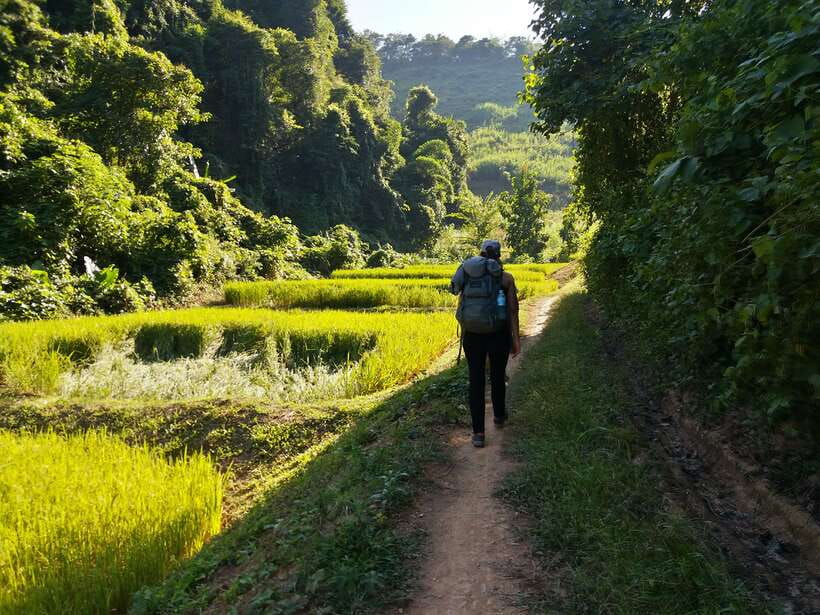
- A real mountain trek: Expect four to seven hours of walking each day, including steep sections and local trails through paddies and jungle.
- The third day is the hardest: The mountain-top route lasts six to seven hours and ends by the Nam Xeuang River.
- Meals are part of the experience: Your guide and village families prepare the included meals, with dinner shared in the Hmong village.
- No easy charging: Remote villages have no regular electricity for camera batteries, so bring a power bank or accept a phone-free stretch.
- Good value for the right person: At $360 per person, transport, meals, boat crossings, permits, village fees, guiding, and two nights of basic lodging are included.
Why this trek feels different from a Luang Prabang day trip
Luang Prabang is easy to love, but its temples, cafés, and riverside lanes only show one part of northern Laos. This trip takes you away from the town and into places connected by footpaths rather than paved roads. You cross the river by local boat, then walk on trails used by villagers moving between homes, rice farms, and mountain settlements.
That difference matters. You are not simply looking at rural life from a vehicle window. You spend evenings in villages, wake to the sounds of daily work, and walk through the same terrain people use to tend steep rice fields. The experience is less polished than a standard sightseeing tour, but that is the point.
I would choose this trip if you want time with local communities and a physical challenge. I would not choose it if you need private bathrooms, reliable electricity, soft beds, or a fixed schedule that never changes with weather.
The tour is offered as a private or small-group experience, which is useful here. On narrow paths and in village homes, a smaller group feels less intrusive and makes it easier to ask your guide questions. English guiding is included, and guides such as Aroun and Chan have been praised for explaining Hmong and Khmu customs, village rituals, plants, and animals in clear, practical terms.
More Treks in Luang Prabang
- Luang Prabang to Nong Khiaw: River Cruise, Hike & Waterfall
★ 4.4 · 53 reviews - Full Day Trek to Kuang Si Waterfalls, Remote Village
★ 5.0 · 38 reviews - Luang Prabang: Full Day Trek to Kuang Si Waterfall & Village
★ 4.6 · 20 reviews
Day one: from the Mekong to a Hmong homestay
Your morning begins at the Tiger Trail Travel office on the same street as Villa Maly. You meet at 8:20 a.m. for an 8:45 departure. Hotel pickup is available if you prefer not to find the office, and you can leave larger luggage behind so you carry only what you need for three days.
The first transfer heads north for about an hour and a half. You follow the Mekong and then the Nam Xeuang River before crossing by local boat to the trailhead. That boat crossing is a small but useful change of pace: the road journey ends, and the walking portion begins in a clear way.
The first hike takes four to five hours. It is described as medium grade, but you should not read that as effortless. The route moves through rice paddies and jungle, with uneven ground and sections that can feel demanding in hot weather. One account notes that some parts became tough at about 37°C. Rain can also slow the pace and make the trail harder.
You walk on paths used by local people rather than broad recreational routes. That gives the first day a practical character. You may pass through working farmland and see how the villages connect, but the focus is walking from one community to another, not checking off a series of formal sights.
By evening, you reach a Hmong village and settle into simple, comfortable homestay conditions. The accommodation is not a hotel substitute. Expect basic sleeping arrangements, simple toilets, and limited washing facilities. The tradeoff is that you are close to village life and can spend the evening with local people instead of returning to an urban room.
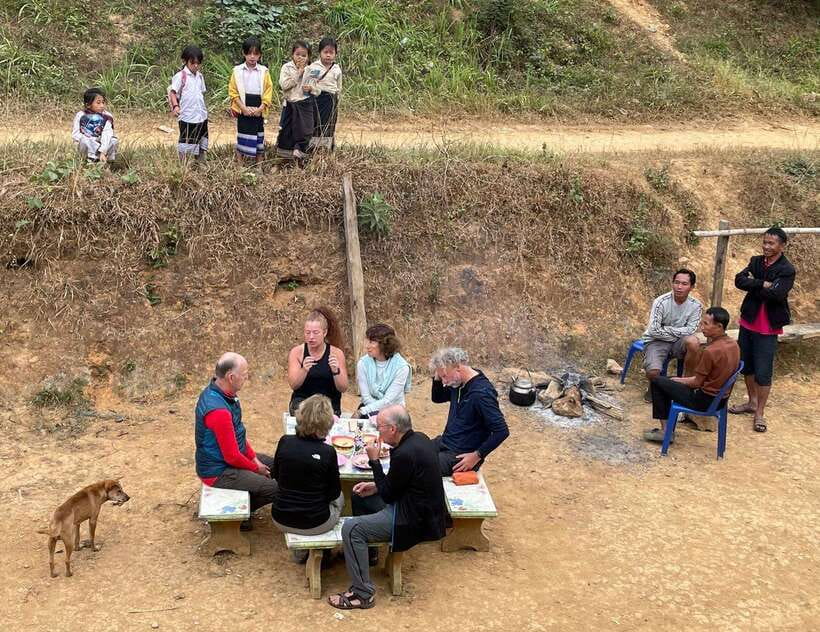
Dinner is prepared by your guide and a Hmong family. This is one of the strongest parts of the trip because food becomes a shared activity rather than a restaurant stop. You get a direct sense of how the evening is organized in the home, although the exact dishes are not specified, so do not book this expecting a particular menu.
Day two: valley streams and a large mixed village
Day two begins early, with breakfast prepared by your guide and the sounds of ordinary village activity around you. There is no need to force a tourist program into the morning. You see the place waking up, then set off for the next settlement.
This is the shortest hiking day, at about four hours. The trail follows valley streams toward a large and very remote village occupied by both Hmong and Khmu families. It sits in a valley surrounded by high mountains, giving the day a strong sense of arrival. After the first day’s jungle and paddies, the wider village opens up the human side of the trip.
You should reach the village in mid-afternoon, leaving time to walk around and look at the school, homes, and surrounding farms. Your guide helps explain local life and the differences between the communities. That guidance is important. Without it, a village visit can become a quick walk past houses. With it, you have a better chance of understanding how people organize daily work, education, and community life.
The afternoon also gives your legs a break before the longest walk. That pacing is sensible: four hours on day two is still real hiking, but it allows time for conversation and exploration. The village stay may also be the most memorable part for people who care more about ordinary life than dramatic scenery.
Conditions remain simple. There is no regular electricity for charging camera batteries, and one account describes electricity coming from solar panels. Running water is not something you should count on. Bring insect repellent, keep your expectations modest, and treat the lack of hotel comforts as part of the lesson rather than a service failure.
The village can feel especially social if your visit happens during a local celebration. One stay over New Year included shared food, Lao whisky, Beerlao, music, and dancing with the Khmu community. That kind of occasion cannot be promised, but it shows how a village visit can become more than sightseeing when the timing and local welcome line up.
Day three: the long climb to mountain views
The final day is the physical centerpiece. You hike for six to seven hours toward mountain tops with broad views over the villages and remote parts of northern Laos. If you want the best scenery of the trip, this is the day that earns it.
The route uses trails villagers take to reach steep mountain-top rice fields. That detail explains why the walk is not a gentle viewpoint stroll. You are following working paths across difficult ground, and the climb can be strenuous even for people who walk regularly. Rain, mud, and heat may add time.
Along the way, you visit a Hmong mountain village and see more of the connection between settlement and farming. The view from above is valuable because it links the pieces of the trip: the valleys, rice areas, villages, and wooded slopes all make sense as one remote rural setting. You also understand why moving between communities takes effort.
The descent ends at the Nam Xeuang River. After several hours on foot, the chance to swim is a welcome finish if conditions allow and you have brought suitable clothing. Water shoes are listed among the recommended items, so pack them rather than relying on ordinary hiking shoes.
The return to Luang Prabang takes about an hour and a half. You arrive after three full days, not after a short excursion with a token village stop. Plan a quiet evening afterward. Even if you are fit, the final day can leave you tired.
More village stays and hill tribe treks:
- Luang Prabang: Hmong Batik Art Workshop
★ 5.0 · 27 reviews - Laos Elephant Sanctuary keeper+ Kuangsi waterfall +Hmong village
★ 5.0 · 25 reviews - Tribal Cooking Class in Luang Prabang Forest and visit
★ 5.0 · 15 reviews - The Wild Explorer – 3 days forest trek with homestay and camping
★ 4.5 · 22 reviews
What the homestays are really like
The word homestay can mean many things in Laos, so it helps to set expectations clearly. Here it means basic accommodation in a village home or homestay-style setting, with simple sleeping conditions and limited facilities. You should not expect a private room, a hot shower, or a place to charge every device.
The lack of comfort is not hidden, and it has real benefits. You are more aware of the setting, more dependent on the group and guide, and closer to the pace of village life. You also avoid the feeling that a remote community has been turned into a resort for visitors.
Still, basic does not mean easy for everyone. If you need controlled hygiene, privacy, or modern toilets, you may find the overnight stays uncomfortable. Pack light but bring a change of clothes, weather-appropriate layers, insect repellent, and toiletries you know you need.
Carry a power bank if photographs matter to you. The tour information is clear that you cannot count on charging camera batteries for the whole trip. A phone camera may last if used carefully, but three days without dependable power is a genuine consideration.
Meals, guides, and contact with village life
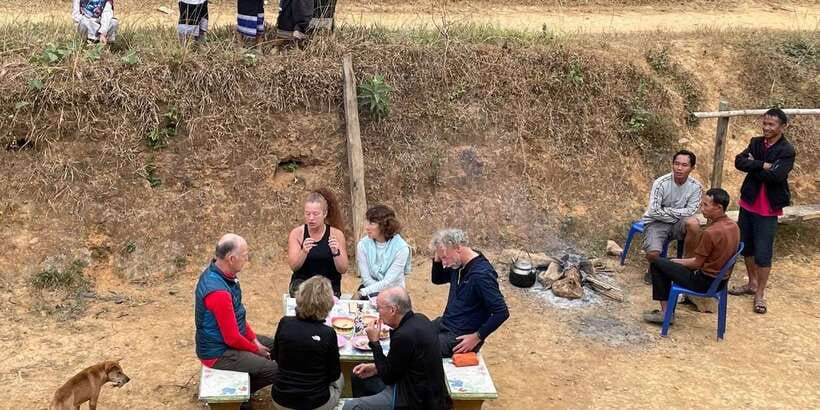
All meals described in the schedule are included. Your guide helps prepare breakfast and dinner, and a Hmong family helps with the first evening meal. Specialty drinks are not included, so budget separately for those.
The guide is central to the quality of this experience. A good guide does more than keep you on the path. Aroun, for example, has been praised for explaining nature and culture, while Chan has been credited with discussing hill-tribe customs, rituals, plants, and animals. You should confirm your guide when booking if that matters to you, since the assigned person may vary.
The village encounters require some care from you. These are homes, schools, farms, and communities, not a stage set. Listen to your guide about local manners, ask before photographing people, and avoid treating daily work as a performance. The small-group option helps reduce the pressure on residents and gives you more room to have ordinary conversations.
The strongest value here is not the number of stops. It is the amount of time you spend in one setting. You have a dinner, a night, a morning, and an afternoon to notice how a place works. That is far more revealing than a quick photograph beside a village sign.
Is $360 a fair price?
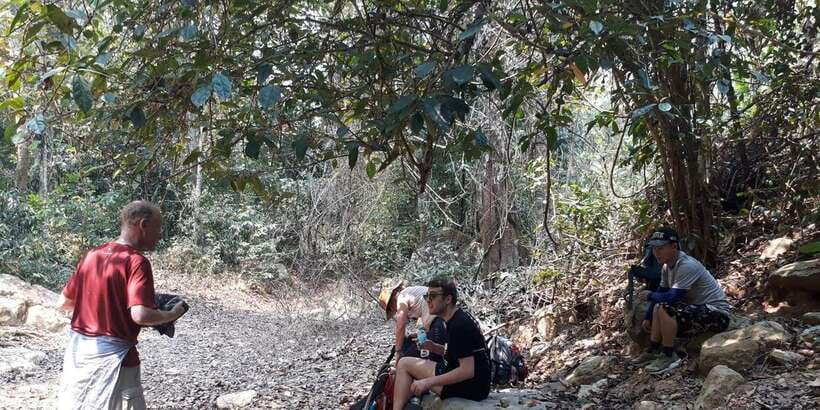
At $360 per person, this is not a budget walk, but the package includes a lot of the costly pieces: transport from Luang Prabang, boat crossings, an English-speaking guide, all listed meals, village fees, permits, taxes, and two nights of homestay-style accommodation.
You are also paying for logistics that would be difficult to arrange alone. The operator handles the river crossing, trail access, village permissions, food, and return transport. In a remote area, those details have more value than they would on a city tour.
The price makes the most sense for a private booking or a small group, especially if you want a quieter visit and more time with the guide. A person seeking luxury will not see good value because the rooms and facilities are basic. A person seeking access, local contact, and a serious three-day route probably will.
The tour also offers free cancellation up to 24 hours before departure and reserve-now, pay-later booking. Those policies give you some flexibility, but the more important decision is physical readiness and comfort with simple living.
Who should book this Luang Prabang trek?
I would recommend it to you if you:
- Can walk for four to seven hours on uneven trails
- Want rural contact instead of a quick photo stop
- Are comfortable with basic toilets and washing facilities
- Like learning through a local English-speaking guide
- Can handle heat, rain, mud, and changing trail times
- Want a small-group or private outing
- Care more about access and atmosphere than hotel comfort
I would skip it if you are pregnant, have mobility limitations, or dislike long walks. The tour is not suitable for pregnant women or people with mobility impairments, and the final day is too demanding for anyone who needs an easy route.
It is also a poor match if you need constant phone access. The villages are remote, and there is no dependable charging for the duration of the trip.
Practical packing advice for three days
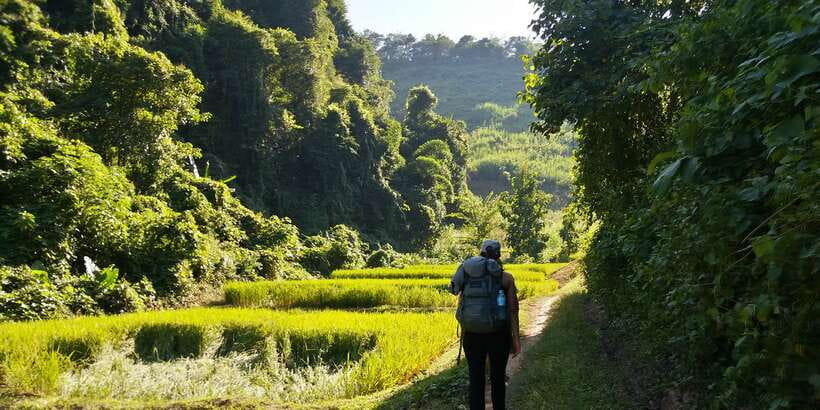
Keep your main luggage in storage and take a small bag. You need enough clothing to change after sweaty or wet walks, but carrying too much will make the trails harder.
Bring comfortable shoes with good grip, plus water shoes for the river finish. Add insect repellent, weather-appropriate clothing, a change of clothes, and a power bank. Protect electronics from rain, and use a small waterproof bag for anything that cannot get wet.
The tour runs in rain or sunshine. During the rainy season, the trails may take longer, so allow extra time and do not schedule an important activity immediately after your return to Luang Prabang.
Should you book it?
Book this trek if you want to see a quieter side of Laos and are willing to trade comfort for access. The best parts are the local boat crossing, the footpaths between villages, the shared meals, the time in Hmong and Khmu communities, and the final mountain views.
Do not book it for soft beds or a predictable resort-style routine. Book it because you want a demanding, direct encounter with rural life, guided by someone who can explain what you are seeing. For the right person, $360 buys far more than three days of walking. It buys time in places most visitors never reach.
FAQ
How long is the trek each day?
Day one takes about four to five hours, day two about four hours, and day three about six to seven hours. The walking can take longer during the rainy season.
Where does the tour meet?
Meet at the Tiger Trail Travel office on the same street as Villa Maly hotel. The meeting time is 8:20 a.m. for an 8:45 a.m. departure. Hotel pickup is also available.
Is transport included?
Yes. Transportation, the boat crossings, and the return trip to Luang Prabang are included.
What type of accommodation is provided?
You stay in homestay-style accommodation in remote Hmong and Khmu villages. Conditions are basic, with simple toilets and washing facilities.
Is there electricity in the villages?
There is no regular electricity for charging camera batteries during the tour. Some village power may come from solar panels, but you should bring a power bank.
What meals are included?
All meals described in the schedule are included. Your guide prepares breakfast, and your guide and a Hmong family prepare the first evening dinner. Specialty drinks are not included.
Can I cancel or pay later?
You can cancel up to 24 hours in advance for a full refund. Reserve-now, pay-later booking is available, subject to the booking terms.
Just added in Luang Prabang
- The Namkhan – Traditional Lao Bamboo Weaving★ 5.0 · 4 reviews
- Unwind with a Sunset Cruise on the Mekong River★ 5.0 · 4 reviews
- Night Bus to Huay Xai, Chiang Rai, Thailand – Hotel pickup★ 3.0 · 2 reviews
- Sunset Cruise in Luang Prabang with Live Performance★ 4.5 · 3 reviews
- The Namkhan – 90 Minutes Private Signature Scrub and Massage★ 5.0 · 2 reviews
- Private Tour: Half-Day City Tour of Luang Prabang★ 4.5 · 4 reviews
- Trek to Tad Sae Waterfalls, Local Village★ 4.5 · 2 reviews
- Private Full-Day Luang Prabang City Tour★ 5.0 · 1 review
Hill Tribe Villages and Homestays, compared.

Laos Elephant Sanctuary keeper+ Kuangsi waterfall +Hmong village
Read our review →
The Wild Explorer – 3 days forest trek with homestay and camping
Read our review →
Nalan Trail Kmu Ethnic Experience – 2days forest trek with homestay.
Read our review →
Hunter Trails, 3 days difficult trekking with Camping & Homestay
Read our review →
Tribal Cooking Class in Luang Prabang Forest and visit
Read our review →
Browse the lists this tour appears in