
Reviewed · PLAIN OF JARS
Plain of jars private tour
The jars make a striking first impression. This private day tour from Phonsavan brings you to the three main Plain of Jars sites, then adds a war spoon village and the ruins of Muang Khoun, the former capital of Xiangkhouang Province. I like the sensible route, which saves the largest site for later, and I like having a local guide available to explain the archaeology, rice farming, war history, and daily life in the province.
The main consideration is the visit to Ban Naphia, where families make spoons from recycled wartime metal. Some people find this practical craft moving and memorable. Others, including Pascale from Canada, felt more reserved because the products are made from old armaments. The day also includes a good deal of driving, so you should book it for the full picture of Xiangkhouang, not only for a quick look at the jars.
In This Review
- Key points before you book
- Why the Plain of Jars deserves a full day
- 8:30 AM pickup and the road into the countryside
- Ban Naphia and the uneasy story behind the spoons
- Site 3 near Ban Xieng Di and the rice-field walk
- Site 2 at Ban Nakho and the Phousalato views
- Lunch in Ban Nakho at 12:30 PM
- Muang Khoun, Wat Phia Wat, and That Foun
- Site 1, the largest collection with 334 jars
- Wat Hai Heen and the return to Phonsavan
- Is $110 per person a fair price?
- Who will enjoy this day most?
- Practical advice for making the day better
- Should you book the Plain of Jars private tour?
- FAQ
- Where does the Plain of Jars private tour begin?
- How long does the tour last?
- Which Plain of Jars sites are included?
- Is lunch included?
- Are entrance fees included?
- Is transportation included?
- What languages does the guide speak?
- Is this a private group tour?
- Are drinks included?
- Can I cancel for a full refund?
- Can I reserve now and pay later?
Key points before you book
- Three jar sites in one day: See Site 3 near Ban Xieng Di, Site 2 near Ban Nakho, and Site 1, the largest site with 334 jars.
- A private English or Thai-speaking guide: You get a tour designed for your own group rather than a large shared departure.
- Ban Naphia’s recycled-metal spoons: Meet a village craft tradition connected directly to the region’s wartime past.
- Muang Khoun’s old religious remains: Visit Wat Phia Wat and That Foun, both linked to the former provincial capital.
- Local lunch included: The midday meal is served at a local restaurant in Ban Nakho.
- A full Phonsavan day for $110: Transport, entrance fees, lunch, taxes, and the private guide are included.
Why the Plain of Jars deserves a full day
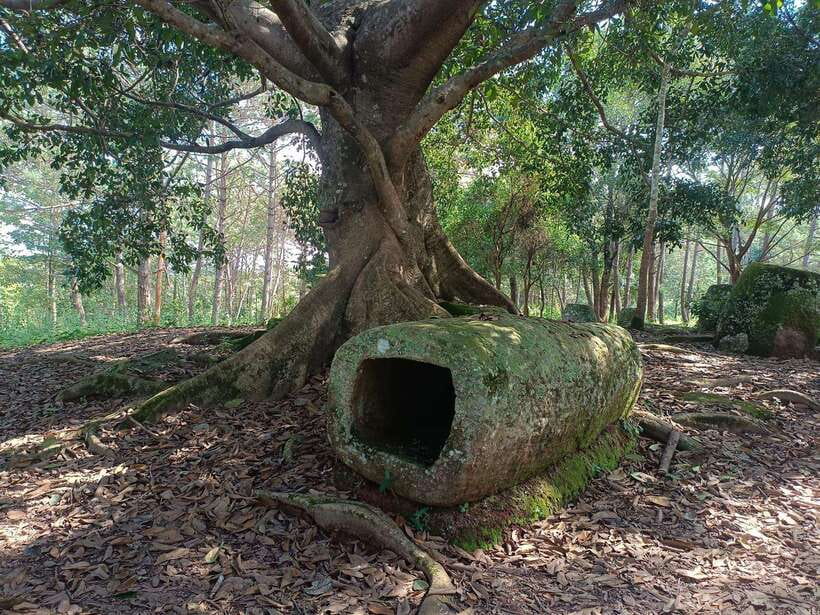
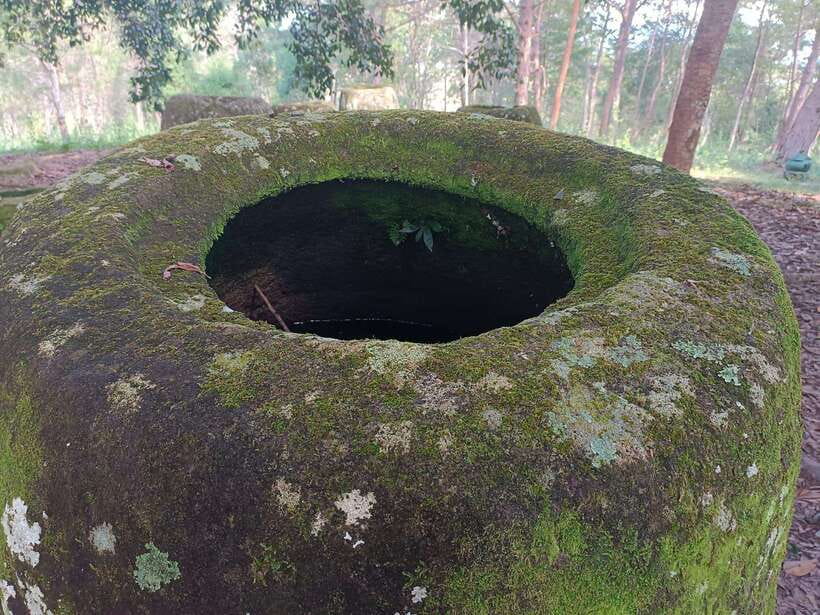
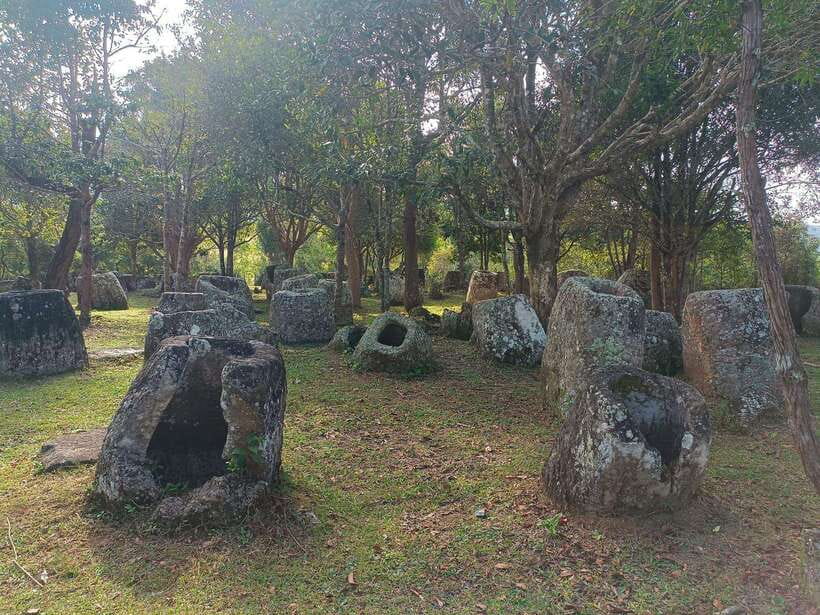
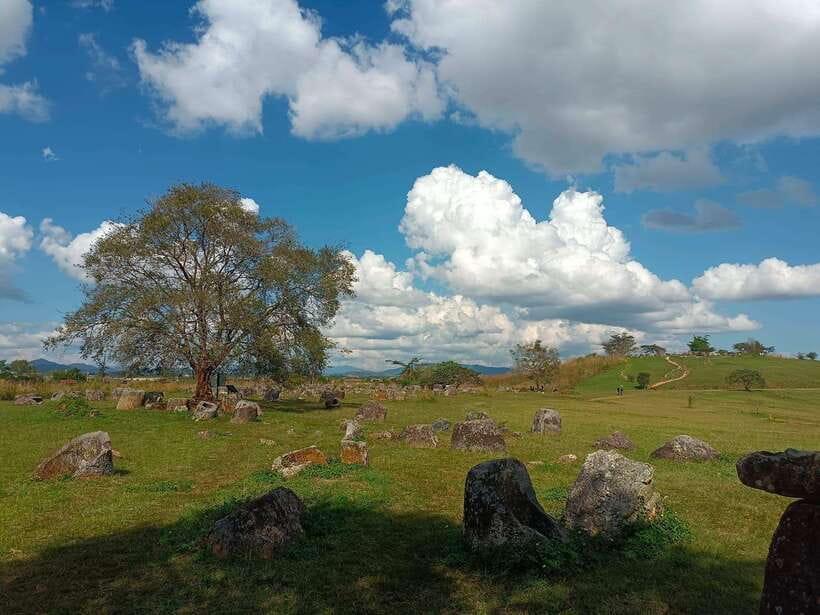
The Plain of Jars is not one single fenced archaeological site. It is a broad area across Xiangkhouang Province, with more than 1,000 stone jars scattered among several locations. The three sites on this tour give you different settings and viewpoints, which is far more satisfying than stopping at only the most famous one.
The jars vary in size, and their purpose remains one of the central questions surrounding the area. Your guide can place the stones in their archaeological setting, while the route itself shows how closely the sites sit within working countryside. You are not simply moving between museum rooms. At Site 3, the walk passes through rice fields, and the guide explains rice planting along the way.
I like that balance. The tour gives you the big archaeological sights, but it also connects them to present-day village life. That makes the day feel like a visit to a province rather than a checklist of stone objects.
The private format matters here. You can ask about the jars, the war, local customs, or the people who live around the sites without waiting for a large group to catch up. The guide languages are English and Thai. Pickup and return are in Phonsavan, with an air-conditioned vehicle for the day.
More Plain of Jars trips:
- Plain of jars tour with local guide
★ 4.5 · 8 reviews - Plain of jars share group tour
★ 5.0 · 4 reviews - 3 Days The Plain of Jars and Xieng Khouan (Depart from Luang Prabang)
★ 5.0 · 3 reviews
8:30 AM pickup and the road into the countryside
The day begins with hotel pickup in Phonsavan at about 8:30 AM. You should provide the correct pickup address when booking, since the included transfer is based on that information.
An air-conditioned vehicle is a welcome feature in a day with several stops and stretches of road between them. The route gives you views around Phonsavan and Xiangkhouang Province, and the driving itself becomes part of the experience. Pascale specifically appreciated the scenery around Phonsavan and found the road to Muang Khoun worthwhile.
This is a private tour, but the information supplied does not state the vehicle size or the maximum number of people. If you are booking for a larger private party, ask the operator for those details before paying.
Ban Naphia and the uneasy story behind the spoons
The first stop is Ban Naphia, also called the war spoon village. The guided visit lasts about an hour. Families there produce roughly 1,000 spoons each day and sell them through the local market.
The unusual material is the point. The spoons are made from recycled wartime metal, turning remnants of conflict into useful household objects and souvenirs. That gives the stop real meaning, but it also makes it more complicated than a standard handicraft visit. The products are not just decorative pieces. They carry a direct link to the bombing and weapons that affected Xiangkhouang.
I would approach this stop with an open mind and modest expectations. It is useful if you want to understand how local families make a living and how old materials are reused. It may feel less comfortable if you prefer your craft visits to be separate from wartime history.
The tour includes no personal spending, so any spoon or handicraft purchase is extra. Soft drinks are also not included. If you want to buy something, bring money for the local market, but do not feel pressured to purchase. The value of the stop is the explanation and the connection to local life, not simply taking home a souvenir.
Site 3 near Ban Xieng Di and the rice-field walk
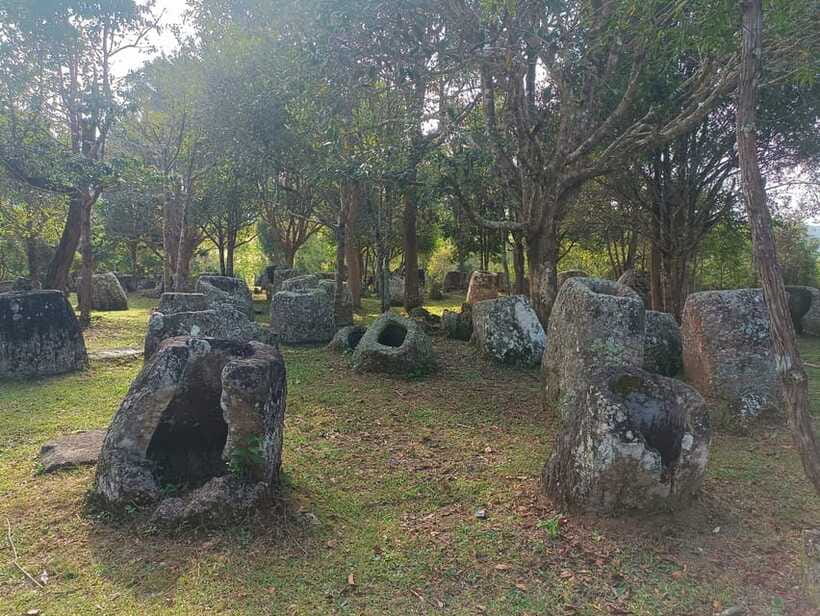
Around 10:00 AM, the tour reaches Plain of Jars Site 3 near Ban Xieng Di. The drive from the village to the site takes about 10 minutes, followed by a guided visit of roughly an hour.
Site 3 is reached by walking through rice fields. That approach gives the stop a more rural feel than a simple roadside attraction. You see the jars in relation to cultivated land, and the guide explains rice planting as you walk. For me, this is one of the strongest parts of the day because the archaeological remains are tied to the living countryside around them.
The walk also means you should wear comfortable shoes. The exact trail condition and distance are not stated, so you should be prepared for an outdoor site rather than a paved museum route. The description does not provide accessibility details either, making it sensible to ask the operator if anyone in your group has mobility concerns.
Site 3 is a good early introduction. You can take time to look at the jars without immediately being overwhelmed by the largest concentration. The rice fields also help you understand why the sites are best visited with a guide who can explain more than the basic names and numbers.
A few more options to weigh up in Laos
- Vientiane Cultural Tour with Private Guide
★ 5.0 · 80 reviews - Luang Prabang Private Minivan
★ 4.5 · 36 reviews - Vientiane: Private Full-Day Tour with Buddha Park and Lunch
★ 4.8 · 33 reviews - Private Tour: Vientiane City Tour Full Day with Buddha Park
★ 4.5 · 32 reviews
Site 2 at Ban Nakho and the Phousalato views
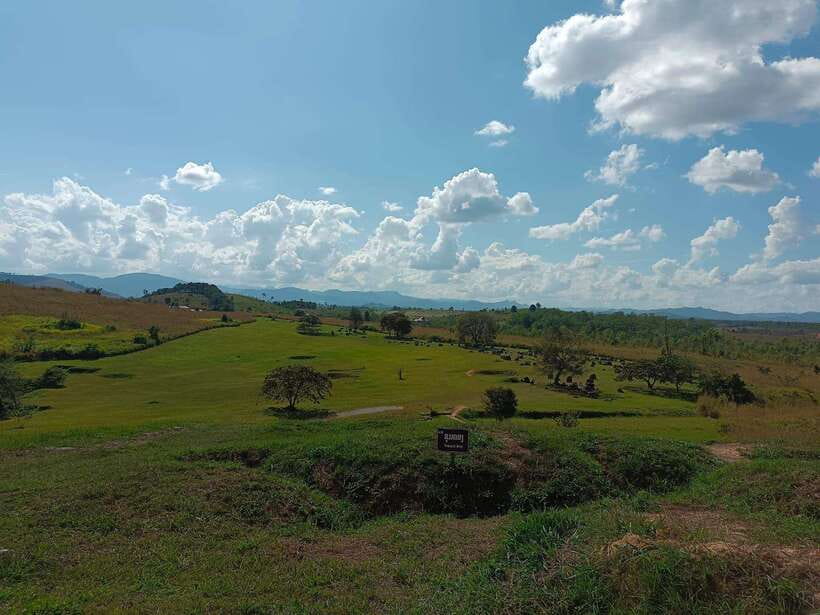
The next major stop is Plain of Jars Site 2 at Ban Nakho, reached around 11:45 AM. This site sits on two hills of the Phousalato mountain area and contains about 100 jars.
Site 2 changes the rhythm of the day. Instead of only looking across a broad archaeological area, you gain panoramic views from the hills. The setting gives you a better sense of the province’s highland terrain and shows why the three sites should not be treated as identical.
The site visit lasts about an hour. Take your time here, since the views are part of the attraction. If Site 3 feels connected to farming, Site 2 gives you a higher viewpoint and a different arrangement of jars. The smaller number, about 100, does not make it less worthwhile. It offers contrast before you reach the largest site.
Lunch in Ban Nakho at 12:30 PM
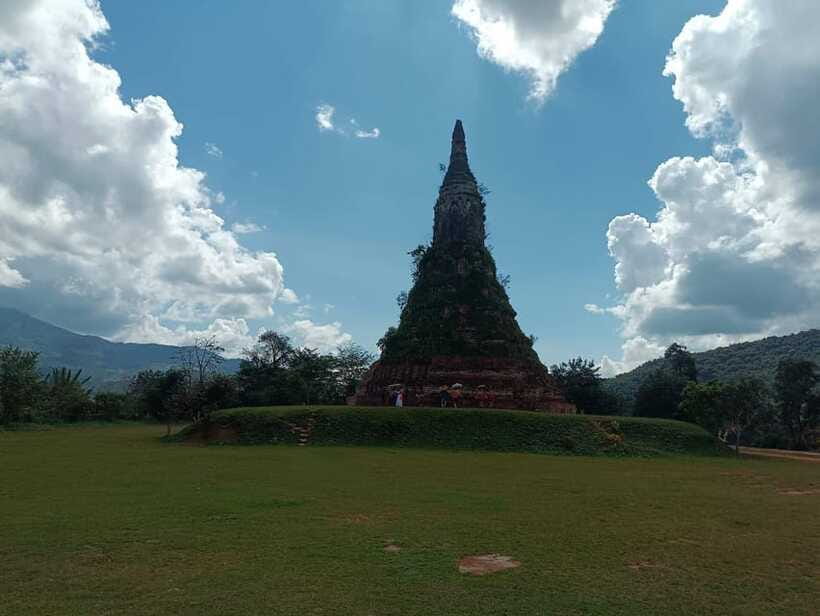
Lunch is scheduled for about 12:30 PM at a local restaurant in Ban Nakho. A local menu is included in the price, which keeps the day simple and avoids an extra restaurant decision between sites.
The exact dishes are not specified, so anyone with dietary needs should ask the provider before departure. Soft drinks are not included, and personal purchases are separate. I would carry water and some extra cash, since the package covers lunch but not every drink or snack.
The timing is practical. You have already completed two jar sites, and the meal breaks up the afternoon visits. Because the itinerary is tightly arranged, do not expect a long leisurely lunch. It is a useful pause in the middle of a full sightseeing day.
Muang Khoun, Wat Phia Wat, and That Foun
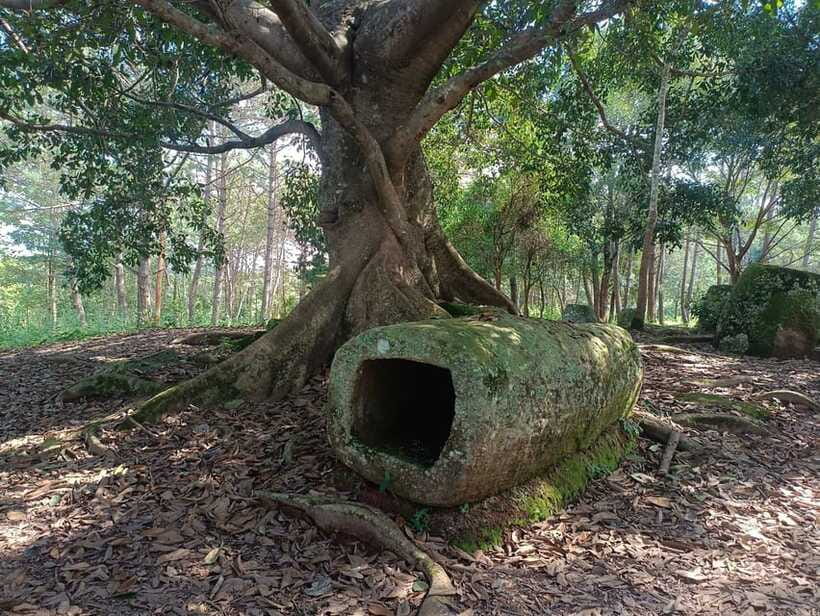
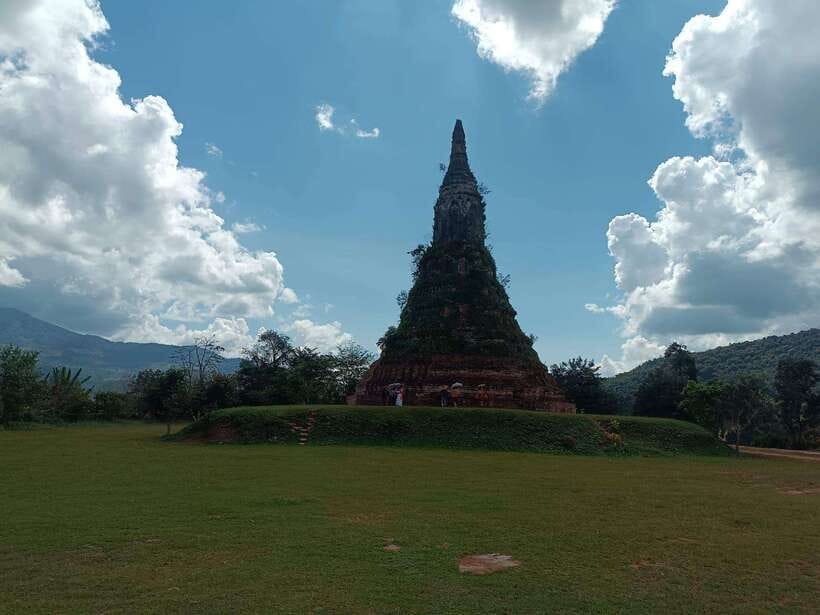
At about 2:30 PM, the tour heads to Muang Khoun, the former capital of Xiangkhouang Province. The visit includes the ruins of Wat Phia Wat and That Foun stupa, with about 30 minutes listed for one stop and 20 minutes at That Foun.
These remains add a different layer to the day. The Plain of Jars takes you far back into the province’s archaeological past. Muang Khoun shows a later period of religious and civic importance, while the visible damage connects the area to the Vietnam War.
The stop is not presented as a complete historical tour of the old capital. Think of it as a concise visit to significant remains along the route. That is enough for a useful contrast, especially if you want more than jars, but it may feel brief if old temples are your main interest.
Pascale found the old city visit interesting and valued the road through the surrounding countryside. I agree with that placement in the itinerary. After several hours focused on stone jars, Muang Khoun changes the subject without taking you far from the province’s past.
Site 1, the largest collection with 334 jars
The final major stop comes around 3:50 PM at Plain of Jars Site 1. This is the largest site on the tour, with 334 jars, and the guided visit lasts about an hour.
Saving Site 1 for the end is a smart choice. By this point, you already understand the basic setting and have seen two smaller sites in different surroundings. The largest collection can then feel like a culmination rather than your first and only impression.
Site 1 is the place for the strongest concentration of jars. You should allow yourself time to compare their sizes, notice how they are scattered across the site, and ask the guide about the questions surrounding their age and purpose. The information does not specify a detailed trail or terrain, so comfortable outdoor shoes remain a sensible choice.
Because this is the most important archaeological stop, the one-hour visit may feel short to anyone who wants extensive photography or a slow archaeological discussion. A private guide helps, since your group can focus on the questions that matter most to you.
Wat Hai Heen and the return to Phonsavan
After Site 1, the vehicle passes Wat Hai Heen, also called Thonghaiheen Xaiyalam Temple. The itinerary lists this as a pass-by stop, with a short visit to the large Buddha statue before returning to Phonsavan.
Do not plan on a full temple tour here. It is a final roadside sight rather than one of the day’s main destinations. The return drive is scheduled to bring you back to Phonsavan after about 4:45 PM, though actual arrival can depend on road conditions and the pace of the group.
That late finish makes this a genuine full-day outing. You see three archaeological sites, a craft village, an old capital, and a temple stop, but the reward is a broad understanding of the area rather than a relaxed half-day excursion.
Is $110 per person a fair price?
At $110 per person, this is not the cheapest way to see the Plain of Jars. It is also not simply an entrance ticket with transport. The price includes an air-conditioned vehicle, private guiding, lunch, entrance fees, taxes, and other listed fees.
The value depends on your group. For one person or a couple, the price may feel high compared with arranging a basic local transfer. For a private group, the cost becomes easier to justify because you are paying for a dedicated vehicle and guide across a long route with several separate stops.
I especially like that entrance fees and lunch are already covered. You do not need to keep calculating small charges at each site. Your extra costs are mainly drinks and personal purchases, such as handicrafts from Ban Naphia.
The private format is the strongest reason to pay more. If you want to ask questions about archaeology, rice planting, the old capital, and the war, the guide can shape the day around your interests. If you only want to photograph Site 1 and return quickly, the package includes more than you need.
Who will enjoy this day most?
I would recommend the tour to anyone staying in Phonsavan who wants to see all three main jar sites without arranging separate transport. It suits people who prefer a planned route, a local guide, and a private vehicle over independent logistics.
It is also a good match if you want the Plain of Jars placed in a wider setting. The rice fields at Site 3, the Phousalato mountain views at Site 2, the recycled-metal spoons at Ban Naphia, and the old capital at Muang Khoun all make the day more varied.
You may want a different plan if you dislike full schedules or long drives. The tour covers a lot before returning to Phonsavan. It may also be less suitable if your only priority is extended time at the archaeological sites, since the craft village and Muang Khoun take up part of the day.
Pascale’s experience is a useful guide to the balance. The three jar sites were the strongest part, while the old city was an interesting addition. The spoon village was the only stop that raised reservations. That seems like a fair way to view the route: the jars are the main event, and the other stops provide context.
Practical advice for making the day better
Wear shoes suitable for walking outdoors, especially for the rice-field approach at Site 3. The tour includes guided walks at the three jar sites, so this is not a ride-up-and-photograph experience.
Bring money for soft drinks and handicrafts. Lunch is included, but beverages and personal spending are not. You should also tell the provider about dietary needs before the tour because the meal is described only as a local menu.
Ask questions early in the day. The private format gives you a chance to guide the conversation, and the subjects are broad enough to fill the driving time: the jars, rice farming, village production, Muang Khoun, and the Vietnam War.
The tour offers free cancellation up to 24 hours before departure and allows you to reserve now and pay later. Availability and starting times should still be checked for your date.
Should you book the Plain of Jars private tour?
Book it if you want the fullest one-day introduction to Xiangkhouang from Phonsavan. The combination of all three jar sites, local lunch, private transport, and Muang Khoun makes the $110 price reasonable for a group that values comfort and explanation.
I would especially choose it for the guide’s role. The jars are impressive on their own, but the rice fields, war spoon village, old capital, and temple stop give them a human setting. Skip it only if you want a short visit focused solely on Site 1, or if a packed day with several drives sounds tiring.
FAQ
Where does the Plain of Jars private tour begin?
The tour begins with pickup in Phonsavan and returns to Phonsavan at the end of the day.
How long does the tour last?
It is a one-day tour. Pickup is scheduled for about 8:30 AM, with the return drive beginning after the final stops in the late afternoon.
Which Plain of Jars sites are included?
The tour visits Site 3 near Ban Xieng Di, Site 2 near Ban Nakho, and Site 1, the largest site with 334 jars.
Is lunch included?
Yes. Lunch at a local restaurant in Ban Nakho is included, using a local menu.
Are entrance fees included?
Yes. Entrance fees, taxes, and all listed fees are included.
Is transportation included?
Yes. The tour includes an air-conditioned vehicle and pickup from Phonsavan.
What languages does the guide speak?
The live guide is available in English or Thai.
Is this a private group tour?
Yes. The activity is arranged as a private group experience.
Are drinks included?
No. Soft drinks are not included, so you should budget separately for them.
Can I cancel for a full refund?
Yes. You can cancel up to 24 hours in advance for a full refund.
Can I reserve now and pay later?
Yes. The tour allows you to reserve your place and pay later, subject to availability.
Just added in Laos
- Kayaking Nam Khan river and Tad Sae Waterfal Luang Prabang tour★ 4.0 · 1 review
- Luang Prabang Cooking, Pottery & Candle Experience★ 5.0 · 4 reviews
- Highlights Of Luang Prabang 4 Days 3 Nights★ 5.0 · 2 reviews
- Half-Day Travelling Laos from Luang Prabang★ 5.0 · 1 review
- Guided Exploring Luang Prabang Full-Day Tour★ 5.0 · 1 review
- Morning food tour with market Temples option Kuangsi waterfall★ 5.0 · 1 review
- Full Day Visit & Cook at Local family’ farm and Hiking to Kuang si waterfalls★ 5.0 · 1 review
- A Relaxing Day at the Kuang Si Falls★ 4.5 · 3 reviews
Plain of Jars, compared.
3 Days The Plain of Jars and Xieng Khouan (Depart from Luang Prabang)
Read our review →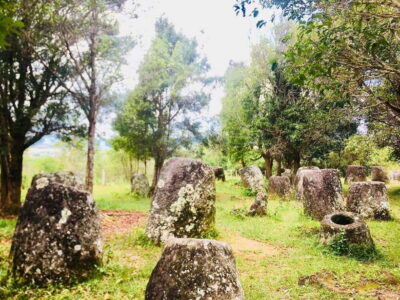
Browse the lists this tour appears in