
Reviewed · LAOS
Elephant Home Sanctuary in Muang Thong Sayaboury Laos
Leave the saddle at home. This three-day Muang Thong experience focuses on seeing protected elephants without rides, while giving you time with a village community, local food, and jungle scenery. I like the chance to help with feeding and care, and I like that the stay is in a traditional bamboo hut rather than a polished resort.
The main consideration is comfort. This is a back-to-basics village stay, not a standard hotel break. You should also allow for hiking, simple accommodation, and a meeting point in Pak Lay. At $389 per person, the price makes the most sense if you value conservation and community contact as much as sightseeing.
In This Review
- Key points at a glance
- Why the Muang Thong setting matters
- Day one: From Pak Lay to village life
- The string ceremony and a closer look at village customs
- Day two: Hiking through elephant country
- Day three: Food, forest, and a slower goodbye
- Sleeping in the bamboo hut
- What $389 buys you
- Who will enjoy this experience most
- Booking details worth checking first
- Should you book the Muang Thong elephant sanctuary?
- FAQ
- Where does the tour meet?
- Can I arrange pickup somewhere other than Pak Lay?
- How long does the experience last?
- How many people are in the group?
- What language is the tour offered in?
- How many elephants are at the sanctuary?
- Are elephant rides included?
- What accommodation is provided?
Key points at a glance
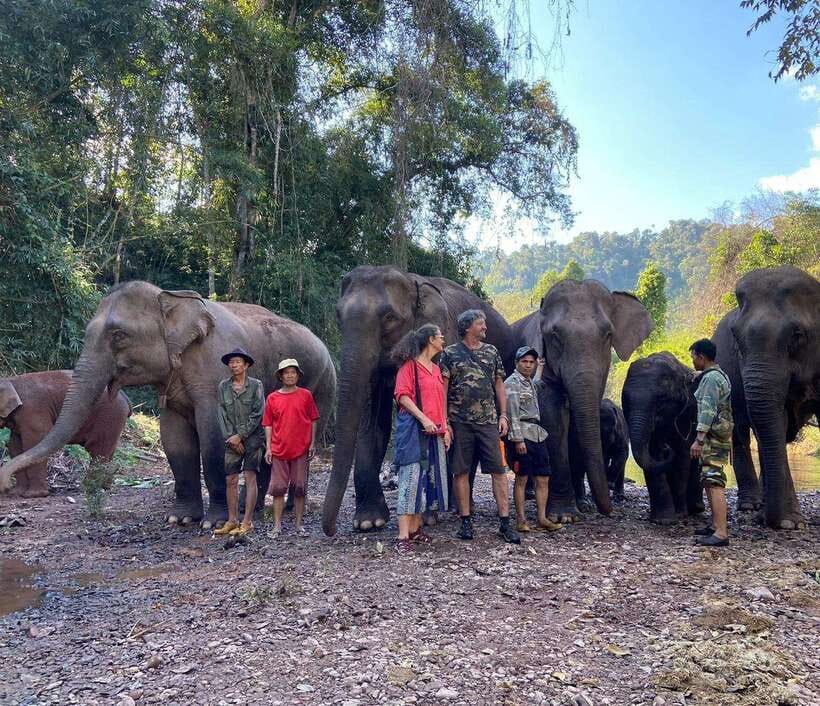
- More than 60 elephants live in a sanctuary surrounded by the mountains and jungle of Muang Thong.
- No elephant rides are part of the program. You can watch, feed, and help care for the animals in a more respectful setting.
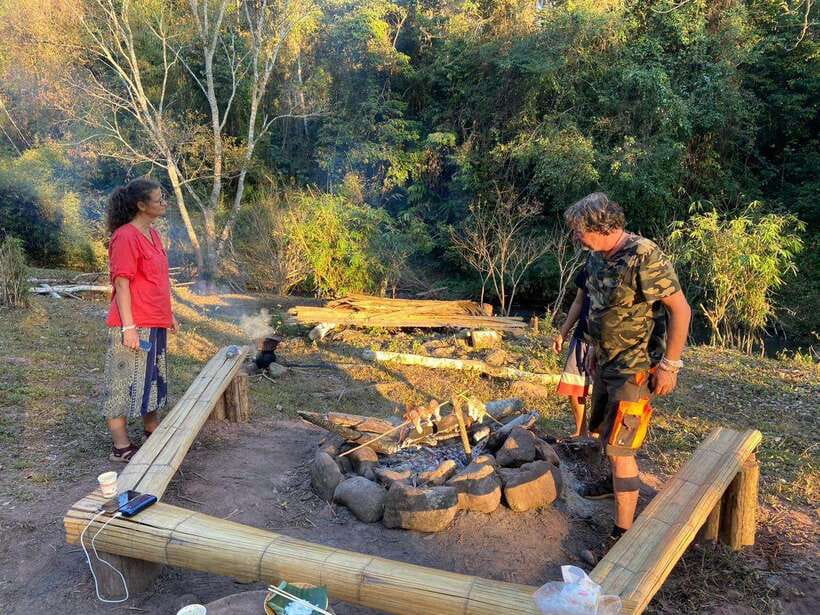
- A village bamboo hut gives you a simple but comfortable place to sleep and a closer look at local life.
- The jungle outing includes hiking and wildlife education, with time spent looking for elephants alongside a mahout.
- Local cooking and a string tying ceremony bring you into village traditions instead of keeping you on the tourist sidelines.
- Groups are limited to eight people, with an English-speaking guide and a three-day schedule.
Why the Muang Thong setting matters
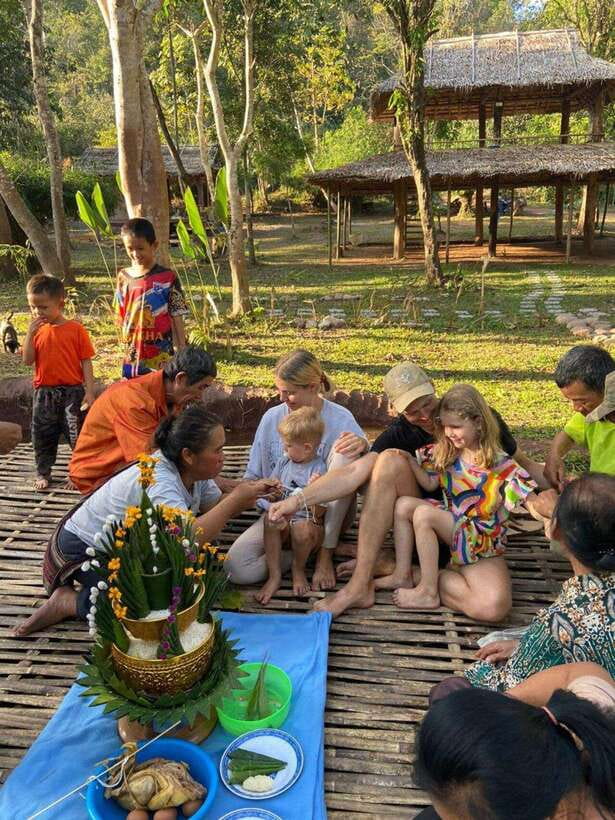
Muang Thong sits in a scenic part of Laos near the Mekong, with the sanctuary located in a national forest reservation. The setting is a major part of the experience. You are not simply walking through an enclosed animal park, then returning to a city hotel. The surrounding forest, mountains, and village help explain why elephant protection here depends on local cooperation.
The sanctuary is home to more than 60 elephants. That number gives the visit a sense of scale, but the important point is how you interact with them. The program does not use elephant rides, which is a clear advantage for anyone who wants to support a less harmful form of elephant tourism.
You can take part in feeding and basic care under supervision. That offers a closer connection than simply taking photographs from a viewing platform, but it also means you need to follow instructions and respect the animals’ space. Elephants are large, powerful animals, so this is not a petting-zoo encounter.
The location also means conditions can feel rural. You should expect forest paths, open-air surroundings, and a slower pace. If you want air-conditioning, paved walkways, and a tightly timed attraction, this is probably the wrong choice.
Other trips worth a look in Laos:
- Luang Prabang: Cruise to Pak Ou Caves & Kuang Si Waterfalls
★ 5.0 · 1,769 reviews - Luang Prabang: Cruise to Pak Ou Caves & Kuang Si Waterfalls
★ 4.8 · 1,360 reviews - Vang Vieng: Kayaking & Cave Tubing with Zip Line/Blue Lagoon
★ 4.5 · 410 reviews
Day one: From Pak Lay to village life
The stated pickup point is in Pak Lay, Laos. You are asked to provide a phone number or WhatsApp number so the operator can coordinate your pickup. An alternative pickup location may be possible for an additional cost, but you should arrange that before the trip rather than assume transport can be changed at the last minute.
The exact starting time is not given, so check availability before booking. That matters in rural Laos, where a three-day program can involve long transfers and changing road conditions. Ask for the full pickup plan, what transport is included, and when you should expect to reach the village.
Once you arrive in the Muang Thong area, the first day is likely to feel less like a sightseeing circuit and more like an introduction to a community. The program brings you into village life through food, conversation, and practical activities. You may learn to prepare local dishes with villagers, giving you a useful look at what people cook and how meals are shared.
That cooking session is one of the better parts of the trip for anyone who wants contact with local residents. A restaurant meal can be delicious, but cooking together gives you more context. You get to see the work behind the food and learn directly from the people who live there.
Your accommodation is a traditional bamboo hut. The description calls it simple but comfortable, which is the right way to approach it. You should not expect a full-service hotel room. Instead, think of the hut as part of the cultural experience, with a basic setting that lets you stay within the village.
A recent February program included cotton spinning and weaving, as well as a whiskey workshop. These activities may depend on the village schedule, but they show the kind of hands-on experience that can be part of the stay. Ask in advance if those particular activities are planned for your dates.
The string ceremony and a closer look at village customs
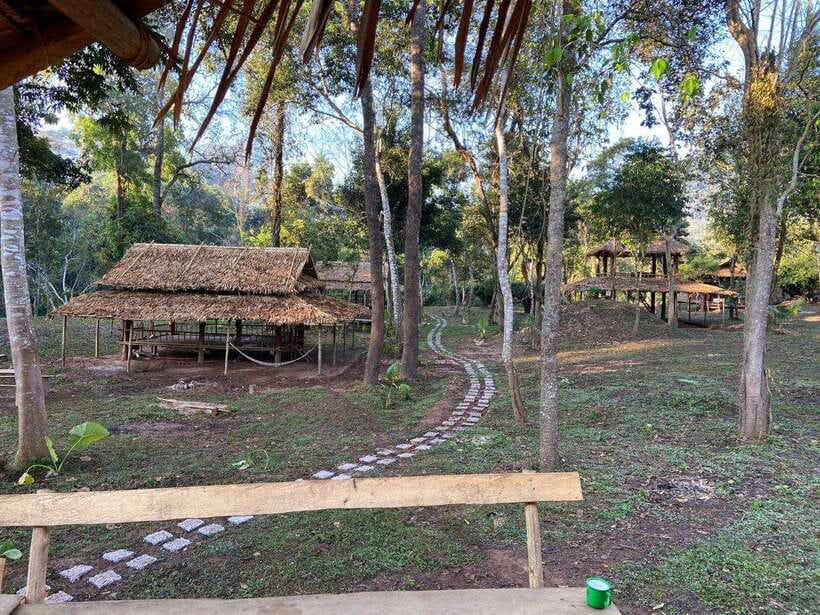
The string tying ceremony is a meaningful part of the program. Villagers believe the strings bring good luck and protection. It is a small ritual, but it gives the visit more depth than a quick stop for photographs.
You do not need to treat the ceremony as a performance. The best approach is to watch carefully, take part when invited, and accept that local customs may not follow a schedule designed for tourists. This is one reason a small group of up to eight people works well. There is less noise, less crowding, and more room for a respectful exchange.
The ceremony also fits the wider purpose of the trip. The sanctuary is not presented as a separate attraction that happens to sit near a village. Eco-tourism is intended to work with the local population, so your spending supports an experience built around both conservation and community participation.
Still, cultural contact requires patience. English is offered through the guide, but not every village conversation will be translated word for word. You may need to accept gestures, demonstrations, and short explanations as part of the experience.
Day two: Hiking through elephant country
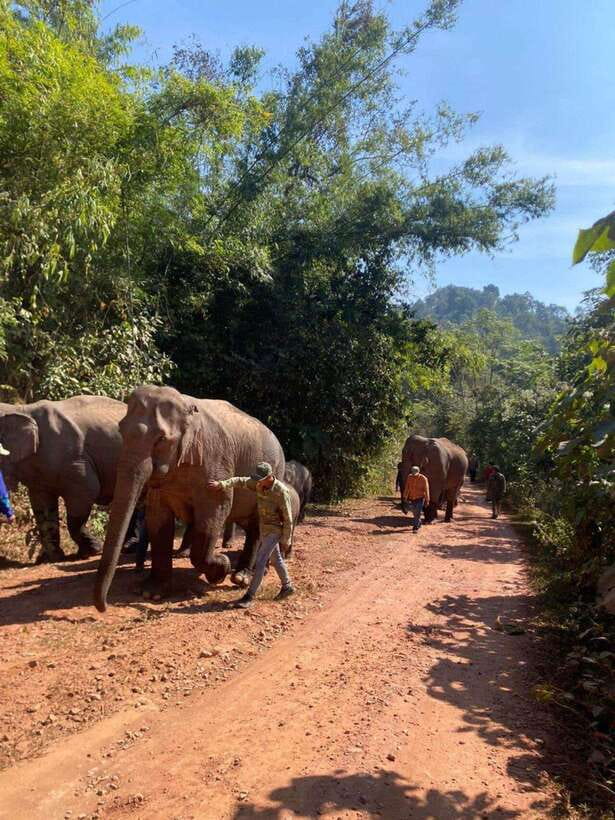
The jungle expedition is the active center of the three days. It includes hiking, wildlife education, and time spent looking for elephants with a mahout. A mahout is an elephant handler, and the presence of one helps connect the forest walk with the sanctuary’s daily work.
The phrase looking for elephants is important. You are not promised a staged animal encounter at a fixed time and place. The forest setting means the experience may involve waiting, walking, and paying attention to signs of animal activity. That uncertainty is part of the appeal, though it can test your patience if you expect constant action.
The hike also gives the guide a chance to explain the local wildlife and the role of the national forest reservation. You can expect the forest itself to be part of the lesson, not just a backdrop for the elephants. Wear practical clothing and shoes suitable for hiking, since the program specifically includes time on jungle trails.
The supplied information does not state the hike’s distance, difficulty, or exact duration. If you have limited mobility or dislike uneven ground, ask the operator for current trail details before paying. The same applies if heavy rain is likely, since forest paths may become more demanding.
The ethical side of the elephant visit deserves attention. You can feed and help care for the elephants, but the program avoids rides and other harmful activities. That gives you a chance to see the animals in a setting built around protection rather than entertainment.
You should still keep your expectations realistic. A sanctuary is not the same as seeing completely wild elephants. The animals are protected there, and the visit is organized around their care. The value comes from supporting that work and learning about the animals, not from claiming a purely wild encounter.
A completely different kind of day:
- Half Day Mekong Cruise to Pak Ou Caves (Morning / Afternoon)
★ 4.6 · 290 reviews - Luang Prabang: UNESCO World Heritage City Highlights Tour
★ 4.6 · 201 reviews - Vang Vieng: Namxay Viewpoint, Blue Lagoon 1 & Phoukham Cave
★ 4.6 · 188 reviews - Luang Prabang: Afternoon Kuang Si Waterfalls & Sunset Cruise
★ 4.6 · 158 reviews
Day three: Food, forest, and a slower goodbye
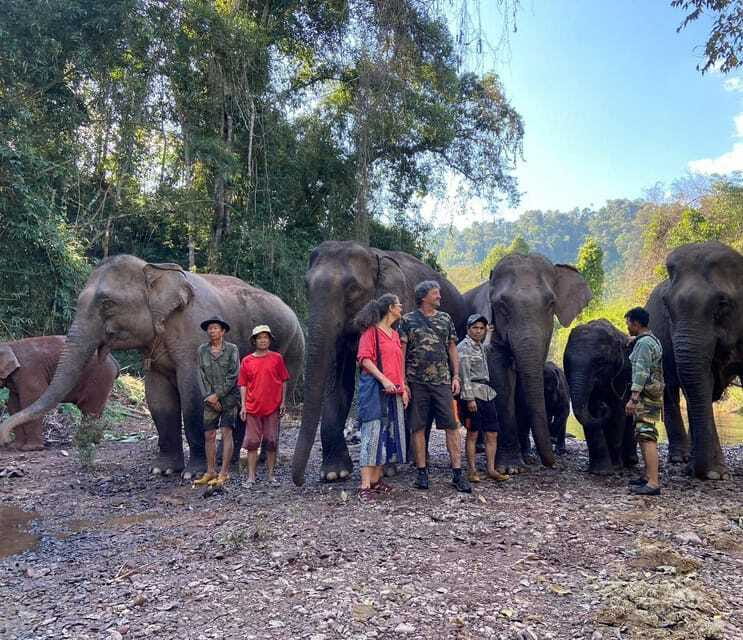
The third day continues the mix of nature and village contact, although the precise timing is not provided. Use it as a chance to ask questions, revisit the sanctuary, and absorb the slower rhythm of the community before leaving.
If your schedule includes more elephant care, pay attention to the ordinary work. Feeding animals and observing their behavior can tell you more than a quick photograph. You may also have time to review what you learned about habitat protection and the problems faced by endangered elephants in Laos.
The final day is also useful for the village side of the program. Local cooking, weaving, and the string ceremony are not filler activities. They help show how a small community can take part in tourism without turning every moment into a staged show.
Do not expect a packed list of attractions. The appeal is the combination of a forest visit, conservation work, village hospitality, and time without the usual rush. If you measure a tour by the number of sights checked off, the program may feel light. If you measure it by the quality of contact and the setting, it offers more.
Sleeping in the bamboo hut
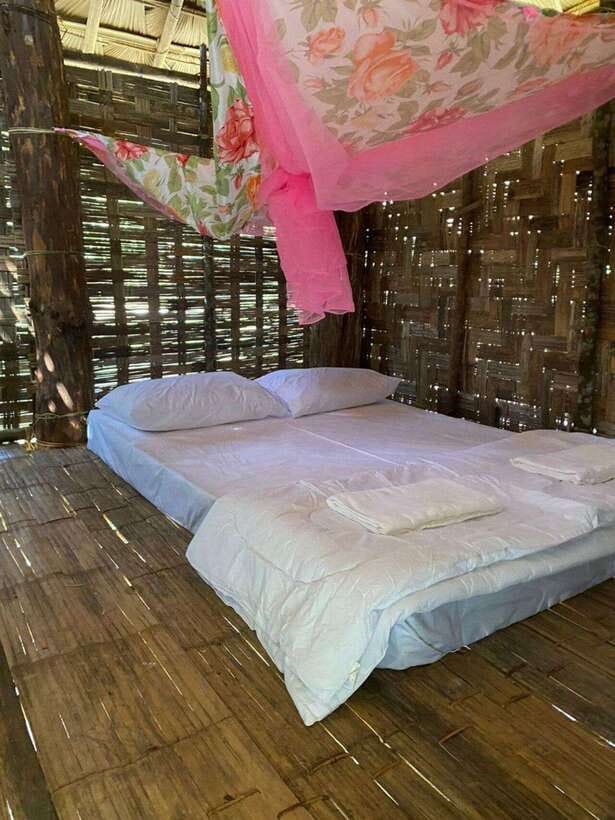
The bamboo hut is likely to be the part of the trip that divides people most sharply. I like the idea because it keeps you close to the village and makes the stay feel connected to the place. You are not returning to a distant hotel after the cooking and ceremony.
At the same time, the accommodation is described as simple. The information does not specify the bathroom arrangement, bedding, electricity, or hot water. Ask those questions before departure if they affect your comfort.
This is a good fit for you if you enjoy rural stays and can pack lightly. Bring practical clothes, footwear for hiking, and anything you personally need for a basic overnight stay. Since the exact amenities are not listed, do not assume the hut provides the same supplies as a city hotel.
The reward is atmosphere. Bamboo construction, village surroundings, and shared activities make the overnight stay part of the story rather than just a place to sleep.
What $389 buys you

The price is $389 per person for three days. That is not a low-cost side trip, especially in Laos, but the value depends on what is included in the price and how much you care about the project’s aims.
You are paying for more than a short elephant viewing session. The program combines access to a sanctuary with more than 60 elephants, a jungle expedition, wildlife education, an English-speaking guide, village activities, local cooking, the bamboo-hut stay, and the work of the local community.
The small group limit of eight also matters. A smaller party can make the village activities feel less awkward and lets the guide manage the elephant visit more carefully. It may also make transport and conversation more personal.
The price is harder to justify if you only want to see elephants for a few hours. In that case, a shorter and cheaper visit may suit you better. Here, the cost makes more sense as a contribution to a three-day conservation and community program.
Before booking, confirm what the $389 includes beyond the listed activities. The supplied details do not spell out every meal, transfer, or personal expense. Ask directly about transport from Pak Lay, meals during the stay, and any equipment needed for the hike.
Who will enjoy this experience most

I would recommend this trip to you if you want:
- A respectful alternative to elephant riding
- Time in a rural Lao community
- A small group rather than a large coach tour
- Simple accommodation with cultural value
- Hiking and wildlife education
- Local food and practical activities
- A slower trip with fewer formal sightseeing stops
It may not suit you if you need detailed comfort standards, dislike basic accommodation, or want a guaranteed close encounter with elephants on a strict timetable. The jungle walk also deserves careful thought if hiking is difficult for you.
Families should ask about age requirements and trail conditions, since no age policy is provided. The same advice applies to anyone with health or mobility concerns. The operator can give the most accurate answer for current conditions.
Booking details worth checking first
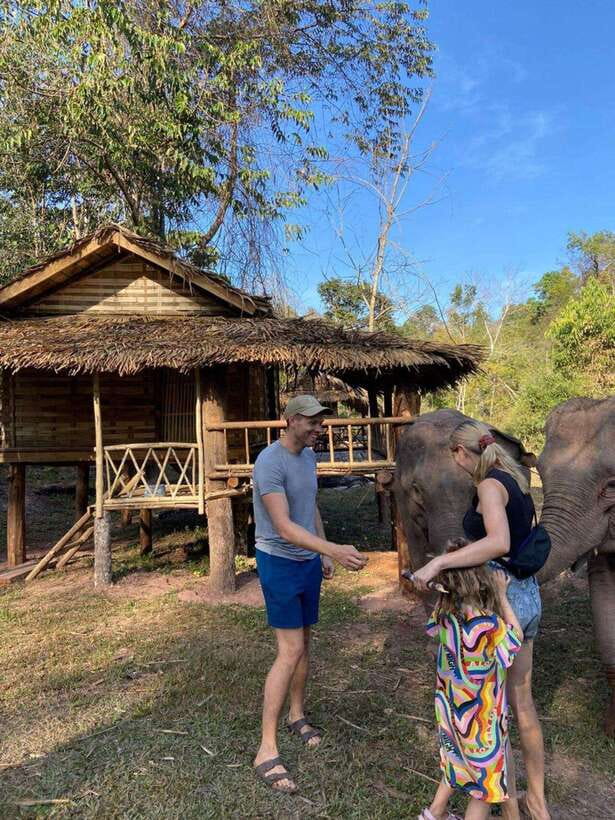
The activity is offered in English and is limited to eight participants. You can reserve now and pay later, which helps if your wider Laos schedule is still changing. Free cancellation is available up to 24 hours before the activity for a full refund.
Pickup is listed at the Pak Lay meeting point shown by the operator. Provide a working phone number or WhatsApp contact. If you need another pickup location, ask about the additional cost before booking.
The tour lasts three days, but the exact starting times are not fixed in the information provided. Check the available date and departure time, then confirm the return plan as well.
Should you book the Muang Thong elephant sanctuary?
Book this experience if you want your elephant encounter tied to conservation, village life, and time in the forest. The strongest features are the no-riding policy, the chance to help with feeding and care, the small group size, and the unusual overnight stay in a bamboo hut.
Skip it if you want a polished hotel, a short wildlife stop, or a detailed hour-by-hour schedule. At $389, this is best viewed as a three-day community and conservation experience, not simply an elephant attraction. If that balance suits you, Muang Thong offers a thoughtful way to see a less commercial side of Laos.
FAQ
Where does the tour meet?
The stated meeting point is in Pak Lay, Laos, at the location provided by the operator. You should give the operator your phone number or WhatsApp number for pickup coordination.
Can I arrange pickup somewhere other than Pak Lay?
Yes. An alternative pickup location may be available for an additional cost. You should request this in advance.
How long does the experience last?
The experience lasts three days. Starting times depend on availability, so check the date and departure details before booking.
How many people are in the group?
The group is limited to eight participants.
What language is the tour offered in?
The live tour guide is provided in English.
How many elephants are at the sanctuary?
The sanctuary is described as being home to more than 60 elephants.
Are elephant rides included?
No. The sanctuary does not exploit elephants through rides. The program allows you to see, feed, and take part in caring for the elephants.
What accommodation is provided?
You stay in a simple but comfortable traditional bamboo hut in a local village. The available information does not specify the hut’s full facilities.
Just added in Laos
- Vientiane Private Lao Cooking Class with Market Tour★ 4.0 · 3 reviews
- Vientiane: Lao Cultural Attire Rental Experience★ 5.0 · 3 reviews
- Vientiane: Half-Day City Tour – Morning or Afternoon★ 4.0 · 3 reviews
- Vang Vieng: Zipline&Water Cave&Tham Chang&Blue Lagoon 1★ 5.0 · 3 reviews
- Vangvieng a beauty and incredible things to do.★ 5.0 · 2 reviews
- Vientiane: Art, Culture, & Inspiration Guided Day Tour★ 5.0 · 3 reviews
- Vang Vieng: Zipline&Kayaking&BlueLagoon 1★ 3.7 · 3 reviews
- Vang Vieng: Paragliding Experience with Hotel Pickup★ 5.0 · 3 reviews